Get your free personalized podcast brief
We scan new podcasts and send you the top 5 insights daily.
'Las Meninas' was painted as Spain's "Golden Age" was waning. The painting's complex interplay between reality and illusion serves as a metaphor for the Spanish court's efforts to maintain a grand facade of power and stability, even as the empire's influence and wealth were diminishing.

Related Insights
Art is a mechanism for changing perception. It often makes audiences uncomfortable at first by introducing a novel idea or form. Over time, great art guides people from that initial discomfort to a new state of understanding, fundamentally altering how they see the world.

The woman in the portrait is commonly thought to be pregnant. This is a misinterpretation of 15th-century elite fashion, where holding up voluminous, expensive fabric was a public display of wealth. Her posture is a status symbol, not a sign of pregnancy.
A war film often functions as a cultural artifact of its own time. The sensibilities, anxieties, and political climate of the generation producing the film heavily influence its narrative and tone, telling us as much about the present as it does about the historical conflict being portrayed.

An art expert's transformative experience with 'Las Meninas' was accidental; she visited the Prado museum without knowing the painting was there. This suggests that encountering great art without premeditation or expectation can lead to a more profound and personal emotional connection, stripped of academic or critical baggage.
Philosopher Friedrich Nietzsche's concept of an "Age of the Last Men"—a society dying from envy, conformity, and a lack of ambition—is presented as an eerily accurate forecast of the modern West's cultural decay and existential fatigue.

Jan van Eyck pioneered oil paint to achieve unparalleled realism. Yet, in the Arnolfini Portrait, this meticulous detail serves to deepen the painting's ambiguity rather than explain it, creating what the speaker calls "the earliest riddle in art."
The composition of Velázquez's masterpiece is designed to make the viewer feel as if they have just entered the room depicted. The subjects' direct gazes create a powerful illusion, transforming the passive act of viewing into an active, immersive experience where the observer becomes part of the narrative.
While Tchaikovsky was a fervent Russian patriot, his focus on folk traditions and national identity was part of a wider 19th-century European Romantic movement. His 'Russianness,' far from being unique, was an expression of a continental trend celebrating national character in art.

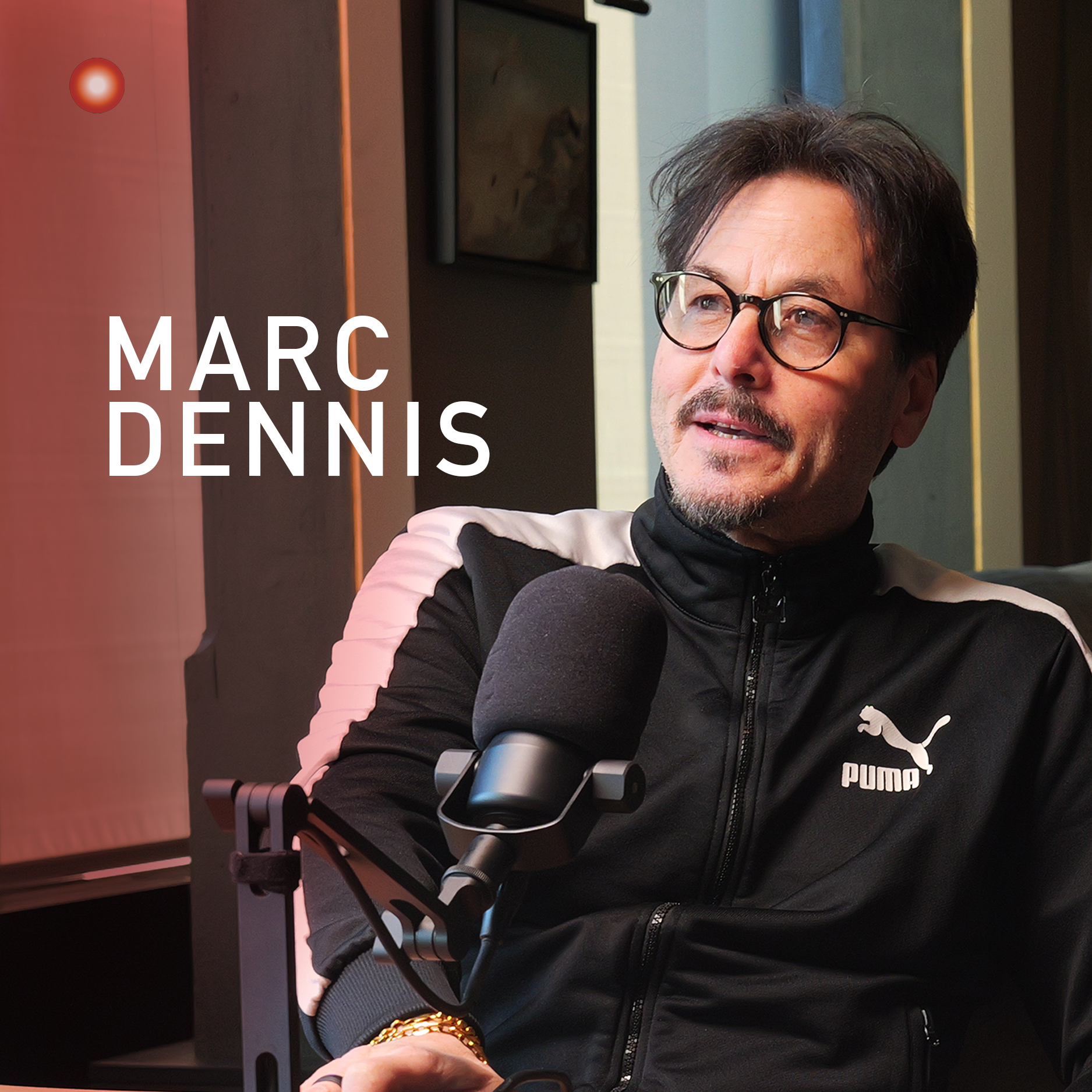
Dennis creates "paintings within paintings" to challenge perception. Inspired by Wile E. Coyote and a real-life museum experience, his work makes the viewer's interaction part of the art itself, creating a nested, self-aware narrative that questions the relationship between art and its audience.
Historian Heather Cox Richardson notes that eras of significant political fear and instability, like the late 19th century or today, are also periods of great cultural creativity. New art, music, literature, and influential voices emerge, acting as a testament to the human spirit and forming a lasting cultural legacy.
