Get your free personalized podcast brief
We scan new podcasts and send you the top 5 insights daily.
The woman in the portrait is commonly thought to be pregnant. This is a misinterpretation of 15th-century elite fashion, where holding up voluminous, expensive fabric was a public display of wealth. Her posture is a status symbol, not a sign of pregnancy.

Related Insights
In "The Last Supper," Leonardo da Vinci depicted Christ with one palm up (a universal gesture of openness and warmth) and one palm down (a gesture of authority and competence). This 15th-century artistic choice perfectly illustrates the balance of traits required for modern charisma.

Contrary to the popular image, Joan of Arc was not a shepherdess and displayed a degree of class consciousness about it. During her trial, she insisted she was a spinner and sewer—a more respectable trade—and challenged the court women to match her skill, revealing a pride in her higher-than-lowest-peasant status.

The value of an artwork isn't measured by the hours it took to create, but by the artist's entire life's work and perspective. A seemingly simple piece gains meaning from the decades of thought the artist brings to it, shifting the focus from labor to accumulated wisdom.

The true horror of Charlotte Lucas's sensible marriage to the idiotic Mr. Collins in 'Pride and Prejudice' is revealed through a subtle, euphemistic announcement of her pregnancy. This easily missed detail forces the reader to confront the unspoken sexual reality of their transactional union, a shocking element hidden in plain sight.
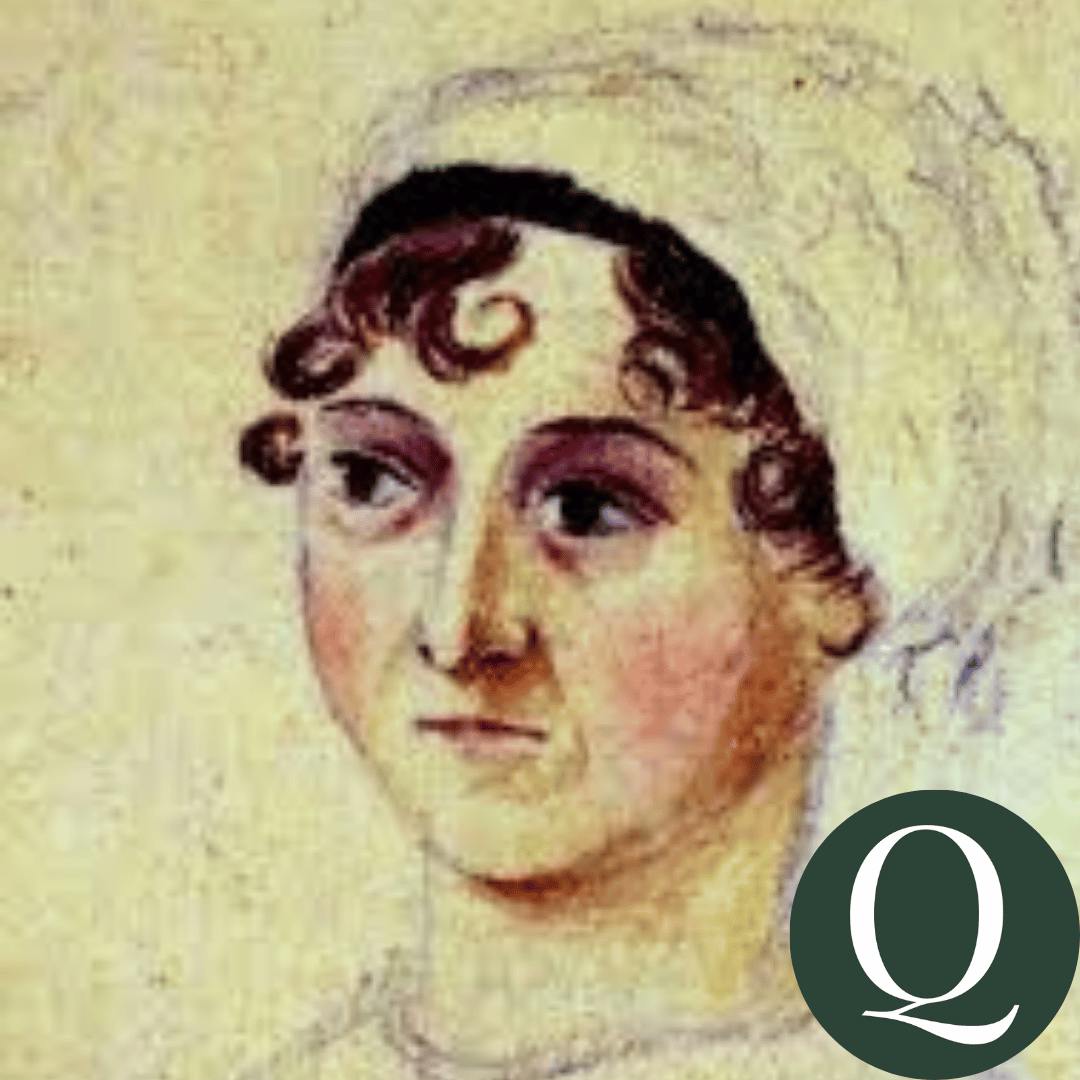
John Singer Sargent's modern popularity is surging because his portrait style is uniquely suited for social media. The direct gaze of his subjects, bright colors, and depiction of luxury create alluring thumbnails that feel native to platforms like Instagram, offering a "backstage pass" that resonates with influencer-era audiences.

Jan van Eyck pioneered oil paint to achieve unparalleled realism. Yet, in the Arnolfini Portrait, this meticulous detail serves to deepen the painting's ambiguity rather than explain it, creating what the speaker calls "the earliest riddle in art."
The "swag gap" critique, where women lament their male partners' lack of style, is a form of failed cross-sex mind reading. It applies female standards of appearance-based status to men, who often signal high status through other means, including indifference to appearance.

After decades of fat-shaming, the pendulum swung to celebrating obesity. This shift was co-opted and amplified by the industrial food complex and plus-size clothing brands, which stood to profit financially from a narrative that discouraged weight loss and promoted consumption.

The painting has been known as the "Portrait," "Betrothal," and "Marriage," reflecting evolving scholarly interpretations. This naming uncertainty underscores its status as an unresolved art historical puzzle and contributes to its lasting fame and fascination.
Epitaphs reveal a major cultural shift. Renaissance tombstones listed public roles like 'courtier and soldier,' while 18th-century ones began prioritizing private identities like 'loving husband and father,' a reversal that continues today.
