Get your free personalized podcast brief
We scan new podcasts and send you the top 5 insights daily.
The firm avoids the pitfalls of scale by organizing into small, autonomous investment groups (e.g., crypto, infra). This design, inspired by early Hewlett-Packard, provides the speed of a small team with the power of a large institution's brand and capital.

Related Insights
A16Z’s verticalization was driven by a principle from legendary investor Dave Swenson: an investing team shouldn't exceed five people. This small size ensures that investment discussions remain true conversations, preventing them from becoming unwieldy presentations and preserving decision quality as the firm scales.

A16Z's transformation from a small, generalist partnership to a large, specialized firm was a deliberate answer to a fundamental industry problem: the traditional partner model doesn't scale for deploying capital and making decisions in today's massive, professionalized venture market.

The firm intentionally builds a powerful, public-facing brand so portfolio companies can 'borrow' its force and reputation at critical development points, accelerating their own growth and market presence.
To maintain agility and deep expertise at scale, Andreessen Horowitz restructured into independent, specialized teams for sectors like bio, crypto, and AI. Each sub-team operates like the original firm, preventing large, unproductive group decisions and enabling focused expertise.
The idea that venture is splitting into giant platforms and tiny boutiques is flawed. A16z, the largest platform, is structured as a collection of specialized, boutique-sized funds. This model proves that focused, sector-specific funds are the effective unit, even within a mega-firm.
Horowitz's steelman argument for small VC firms is that most firm structures are incompatible with scale. Partnerships with shared control can't make the hard decisions needed to reorganize. Furthermore, a single investment committee with 20 people destroys the candid, truth-seeking conversation essential for good investing.

To avoid bureaucratic bloat, organize the company into small, self-sufficient "pods" of no more than 10 people. Each pod owns a specific problem and includes all necessary roles. Performance is judged solely on the pod's impact, mimicking an early-stage startup's focus.

To combat communication breakdown at scale, Capital Group deliberately disaggregated its equity team into three distinct, firewalled units of about 100 professionals each. This ensures investment discussions remain intimate and effective despite massive firm-wide AUM, forcing them to "stay small."

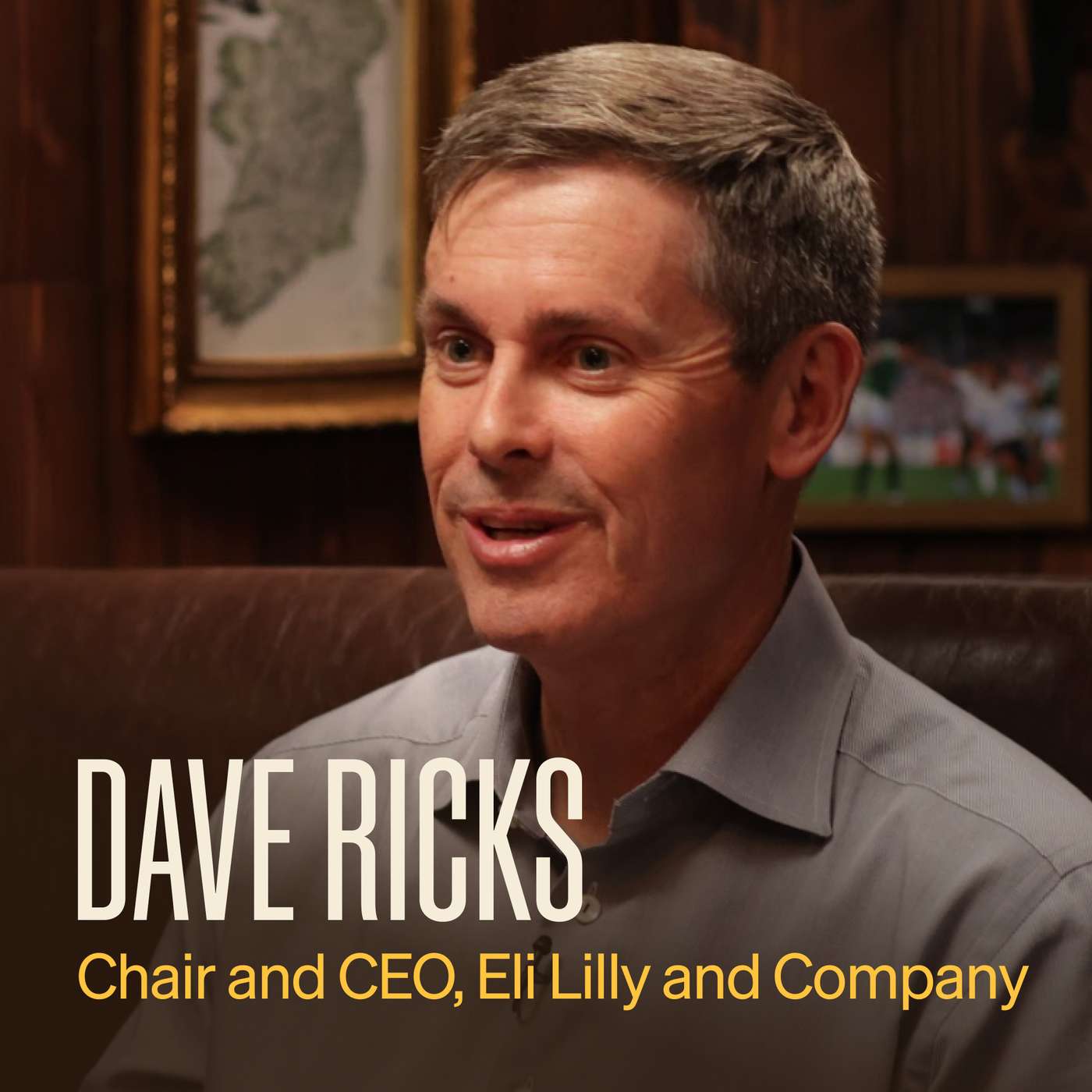
To avoid the pitfalls of scale in R&D, Eli Lilly operates small, focused labs of 300-400 people. These 'internal biotechs' have mission focus and autonomy, while leveraging the parent company's scale for clinical trials and distribution.
Separating investment teams by stage (seed, growth, public) creates misaligned incentives and arbitrary knowledge silos. A unified, multi-stage team can focus only on the handful of companies that truly matter, follow them across their entire lifecycle, and "never miss" an opportunity, even if the entry point changes.