Get your free personalized podcast brief
We scan new podcasts and send you the top 5 insights daily.
To combat communication breakdown at scale, Capital Group deliberately disaggregated its equity team into three distinct, firewalled units of about 100 professionals each. This ensures investment discussions remain intimate and effective despite massive firm-wide AUM, forcing them to "stay small."

Related Insights
Legendary investor James Anderson views a globally distributed team with inherent communication friction as a benefit. This "grit in the system" prevents the team from getting sucked into reacting to daily market noise and helps them maintain focus on long-term, power-law returns.
Instead of building a platform team of specialists, Eclipse operates like a small special forces unit. A lean team of senior partners, all ex-operators, handles everything from thesis creation to scaling companies. This ensures founders get direct support from proven builders, not junior staff.
Alan Waxman saw how 10 siloed Goldman Sachs investing groups made contradictory, costly bets during the 2001 telecom bust. This direct observation of dysfunctional "fiefdoms" led him to build Sixth Street with a mandatory, collaborative "one team" structure to ensure cross-functional insight and avoid repeating those same mistakes.

A16Z's transformation from a small, generalist partnership to a large, specialized firm was a deliberate answer to a fundamental industry problem: the traditional partner model doesn't scale for deploying capital and making decisions in today's massive, professionalized venture market.

By decoupling bonuses from AUM, the firm removes the incentive for managers to hoard assets for personal gain. This allows leadership to allocate capital optimally across managers based on style and portfolio needs, promoting a culture focused purely on performance.
By strictly limiting team size, a company is forced to hire only the “best in the world” for each role. This avoids the dilution of talent and communication overhead that plagues growing organizations, aiming to perpetually maintain the high-productivity “mind meld” of a founding team.

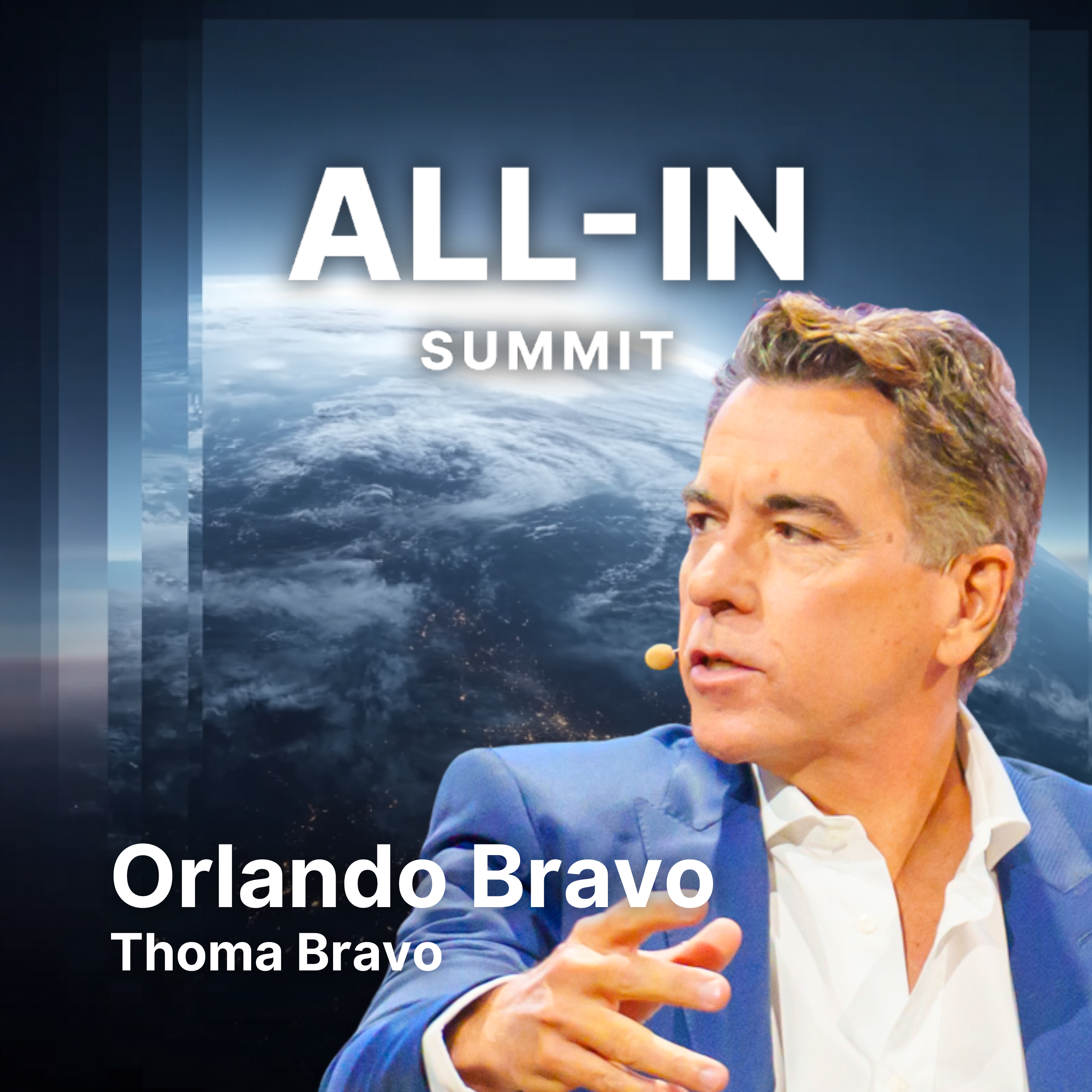
By intentionally limiting its team size to around 230 people, the firm ensures senior partners can provide deep mentorship to the next generation. This structure prevents the team from becoming internally focused and keeps them hunting for deals, which are "not in the office."
To avoid bureaucratic bloat, organize the company into small, self-sufficient "pods" of no more than 10 people. Each pod owns a specific problem and includes all necessary roles. Performance is judged solely on the pod's impact, mimicking an early-stage startup's focus.

TA Associates uses a hybrid investment committee. A central group reviews deals but delegates final approval to a small team of four partners (two from the deal team, two from the committee) who conduct deep, in-person diligence. This decentralizes decision-making to those closest to the information.

As part of a "simplification and scale" initiative, the firm intentionally reduced committee reporting structures by half. This empowers teams by replacing frequent, heavyweight presentations with a lightweight, semi-annual review process, trusting them to execute against the long-term plan.