Get your free personalized podcast brief
We scan new podcasts and send you the top 5 insights daily.
Emma Grede warns against the belief that only billion-dollar unicorns are valid businesses. She champions smaller companies that provide a great lifestyle, employ community members, and offer personal fulfillment—a more attainable and equally valid form of entrepreneurship.

Related Insights
A founder reflects on leaving a fulfilling lifestyle business to chase a VC-backed venture. He attributes this to the "Silicon Valley Kool-Aid"—an industry narrative suggesting that if you aren't building a potential billion-dollar company, you lack ambition or are a "loser."

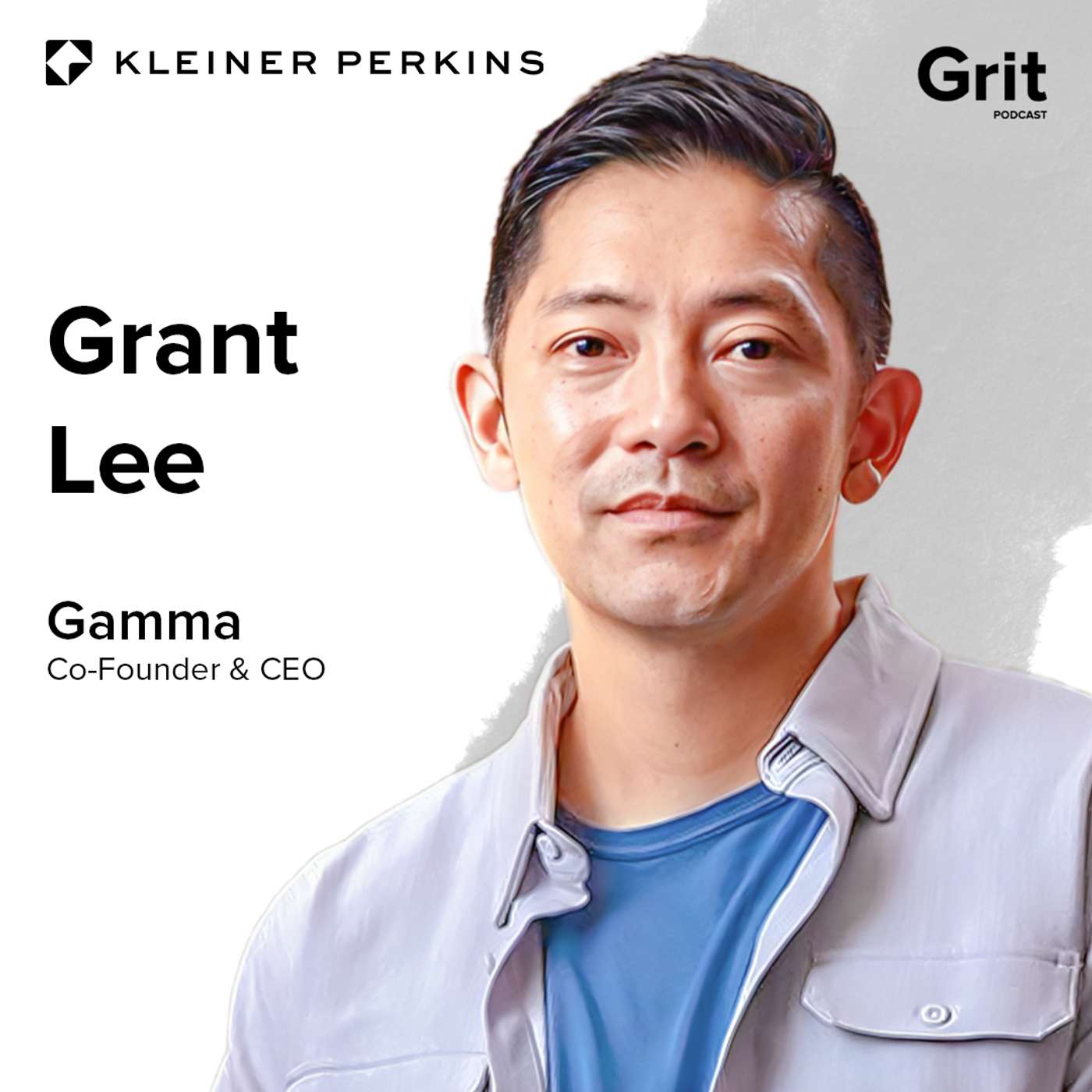
Gamma's CEO argues against the popular notion of a solo founder building a massive company. He believes it's not only unlikely to happen soon but also undesirable. The real reward of building an enduring business comes from the shared experience of doing it with a team.
Forget the unicorn obsession. Focus on building an “elephant”: a durable company defined by three traits. 1) Community Obsessive (customers are “members”). 2) Purpose-Driven (changing an industry, not adding a feature). 3) Building in Public (founder is the face). This framework prioritizes resilience and cult-like followings over vanity metrics.

Club Penguin's co-founder warns that accepting VC money creates immense pressure to become a billion-dollar company. This often crushes otherwise successful businesses that could have been profitable at a smaller scale, making founders worse off in the long run.

The democratization of technology via AI shifts the entrepreneurial goalpost. Instead of focusing on creating a handful of billion-dollar "unicorns," the more impactful ambition is to empower millions of people to each build a million-dollar "donkey corn" business, truly broadening economic opportunity.

The funding gap isn't just about discrimination. Women, on average, are more risk-averse and often build passion-led businesses that don't fit the hyper-growth VC model. They favor bootstrapping and debt, leading to higher survival rates but fewer billion-dollar 'unicorns,' reframing the definition of entrepreneurial success.

Social media's "highlight reels" create pressure to build massive companies. Instead of chasing vanity metrics, owners should define what success looks like for them personally. A profitable company that affords a great life is often a better goal than a stressful, high-growth venture that doesn't align with your values.

Audos founder Henrik Werdelin coined "Donkey Corns" to describe a new class of solo entrepreneurs building million-dollar businesses. The goal is a sustainable, highly profitable lifestyle business, democratizing wealth creation beyond the traditional venture-backed unicorn path.

Despite the popular narrative of a startup boom fueled by Silicon Valley stories, the actual number of Americans starting businesses or working for themselves is half of what it was in 1979. This fable, focusing on a tiny fraction of venture-backed 'unicorns,' distorts the reality for the vast majority of entrepreneurs.

In the creator economy, success isn't always defined by venture-backed growth. Many top creators intentionally cap their audience size and reject outside investment to maintain full control over their business and content, defining success as a sustainable, manageable enterprise rather than a unicorn.
