Get your free personalized podcast brief
We scan new podcasts and send you the top 5 insights daily.
In a fast-moving environment like Harvey where employees have high agency, "judgment" becomes a critical hiring trait. This is the "spidey sense" to know when a quick spot-check is needed before shipping, balancing speed with risk without creating bureaucratic bottlenecks.

Related Insights
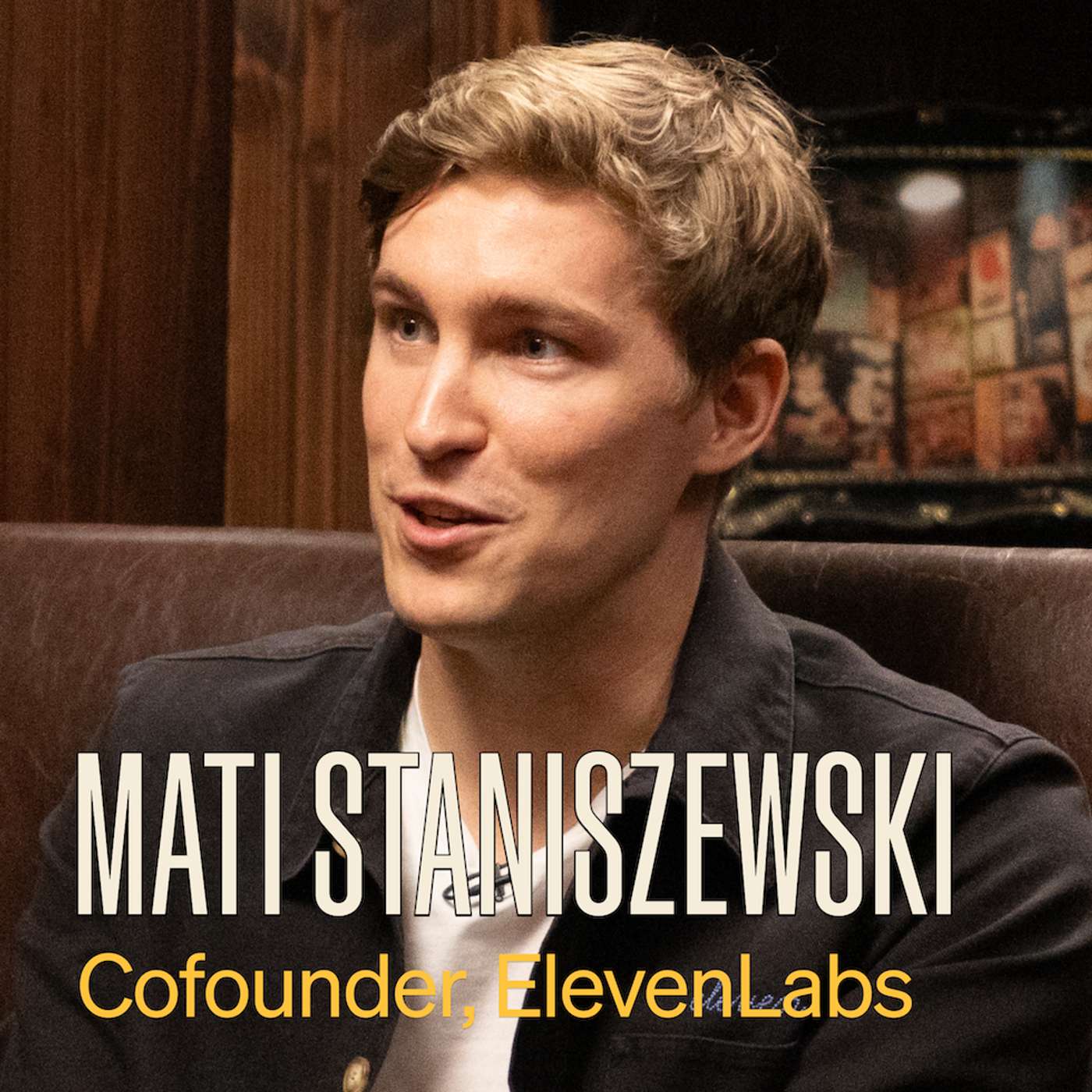
In a world where AI handles routine tasks, the most valuable human contribution is the initiative to solve problems independently. ElevenLabs prioritizes hiring for "agency," seeing it as the ultimate amplifier for an individual's impact, regardless of their seniority. High-agency people are the winners of the AI era.
O'Reilly defines judgment as a mix of knowledge (gained from learning), experience (gained through action with consequences), and the ability to make choices with incomplete data. Hiring processes should test for all three components, not just a candidate's stated experience.

Weinberg values speed over correctness. He'd rather an employee make a wrong decision and fix it in a week than spend three months paralyzed by analysis. In fast-moving markets, the cost of delay exceeds the cost of a correctable error, making inaction the true failure.

Early-stage startups thrive on rapid iteration. Seek hires who can 'get shit done at an incredible clip' and make decisions at '100 miles per hour,' even if some are wrong. These individuals, often 'rough around the edges,' are more valuable than candidates with perfect paper pedigrees from large tech companies.

The ideal early startup employee has an extreme bias for action and high agency. They identify problems and execute solutions without needing approvals, and they aren't afraid to fail. This contrasts sharply with candidates from structured environments like consulting, who are often more calculated and risk-averse.

With AI commoditizing code generation, Expo cofounder Charlie Cheever hires for three non-technical traits: "taste" for good judgment, "high APM" (actions-per-minute) for effective speed, and "high agency" for overcoming obstacles to ship. These skills are crucial for building and releasing good software, which AI cannot yet handle.

In a fast-moving environment, Larroudé prioritizes hiring people who admit what they don't know rather than bluffing. They also seek candidates who, when in crisis, proactively look for solutions instead of panicking. These traits, combined with non-negotiable ethics, indicate success in a scrappy culture.

Sendbird updated its job descriptions for 'AI-first' roles to de-emphasize years of experience. Instead, they screen for high curiosity, agency, and energy, believing these traits are better predictors of success for employees who must constantly learn and build with new tools.

In rapidly evolving fields like AI, pre-existing experience can be a liability. The highest performers often possess high agency, energy, and learning speed, allowing them to adapt without needing to unlearn outdated habits.

The definition of a top-tier hire isn't just about skills, but also the confidence to operate autonomously and make decisions as if they were the CEO of their domain. The goal is to build a team of empowered leaders you can unleash, not a team of employees you need to constantly manage.
