Get your free personalized podcast brief
We scan new podcasts and send you the top 5 insights daily.
Private companies like Stripe can make massive, long-term acquisitions without the immediate scrutiny and short-term stock price impact they would face as a public company. This allows for bolder, more strategic moves.

Related Insights
Ultra-late-stage companies like Ramp and Stripe represent a new category: "private as public." They could be public but choose not to be. Investors should expect returns similar to mid-cap public stocks (e.g., 30-40% YoY), not the 2-3x multiples of traditional venture rounds. The asset class is different, so the return profile must be too.

Companies like Stripe are avoiding IPOs because the private markets now solve the two main historical drivers: access to capital and employee liquidity. With annual secondary tenders and vast private funding available, the traditional benefits of going public are no longer compelling for many late-stage startups.

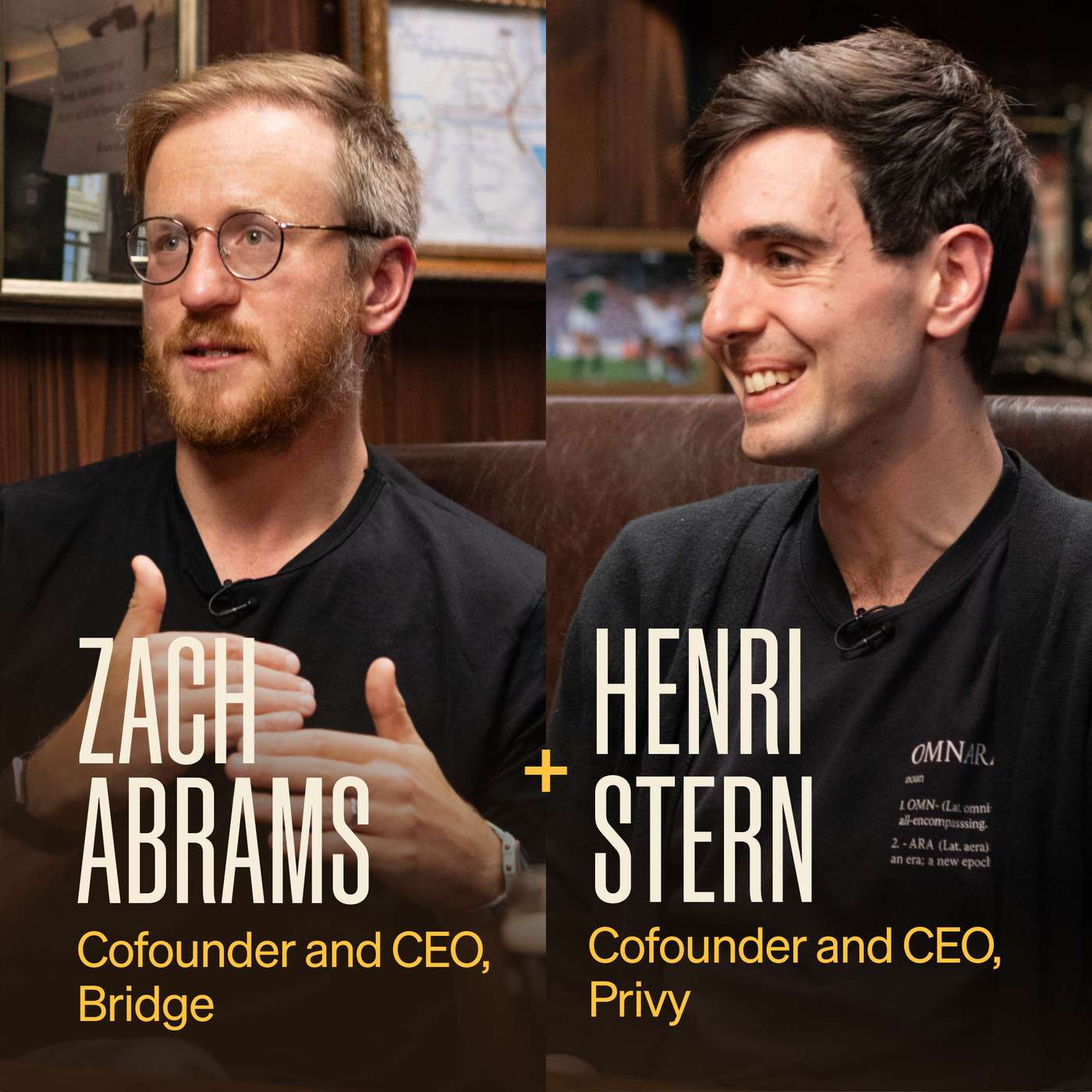
Stripe's acquisitions of Bridge and Privy follow the Google playbook (e.g., YouTube, Android) rather than the Oracle model. The goal is not to absorb a mature product but to acquire a high-potential team and technology to build a new, strategic business pillar from an early stage.
Top-tier private companies like Stripe and Databricks are actively choosing to delay IPOs, viewing the public market as an inferior "product." With access to cheaper private capital and freedom from quarterly scrutiny and activist investors, staying private offers a better environment to build long-term value.

Top companies like Stripe or SpaceX can stay private forever by using robust secondary markets to provide liquidity to employees and investors. This allows them to focus on long-term growth without the burdens of public company reporting and quarterly profit pressures.

Neil Patel keeps his $100M+ revenue company private to maintain strategic control. This allows him to invest heavily and acquire companies when valuations are cheap during economic downturns—a long-term strategy that public market pressures on quarterly earnings would likely punish.

For high-growth companies, reaching a $100M ARR milestone no longer automatically triggers IPO plans. With abundant private capital, many founders now see going public as an unnecessary burden, preferring to avoid SEC reporting and gain liquidity through private growth rounds.

Companies like Databricks and Stripe represent a new asset class: "Post-IPO Scale, Still Private." They have surpassed the revenue and scale typically required for an IPO but choose to remain private. This creates a distinct investment category separate from traditional late-stage venture, driven by the perceived disadvantages of public markets.
Gurley argues that the rise of mega VC funds has fundamentally changed capital markets. These funds convince successful companies like Stripe to stay private longer, effectively 'hijacking' their hyper-growth years from the public markets. This prevents public investors from participating in wealth creation as they did with companies like Amazon.
The enormous private capital available to AI leaders, shown by Anthropic's $10B and xAI's $20B rounds, reduces the urgency to go public. This nearly unlimited appetite from private markets allows these companies to continue their aggressive growth and infrastructure build-outs without the regulatory scrutiny and quarterly pressures of being a public company.
