Get your free personalized podcast brief
We scan new podcasts and send you the top 5 insights daily.
The US has committed a major strategic error by mismanaging its relationship with India, a critical counterweight to China. Actions like tariffing Indian goods and re-centering Pakistan in regional diplomacy undermine years of progress and push New Delhi toward hedging its strategic alignments.

Related Insights
US tariffs, specifically a 50% tariff on India, have pushed Prime Minister Modi to publicly reinforce ties with Russia's Putin. This geopolitical shift is not just based on historical allegiance but is a direct strategic reaction to US economic pressure, demonstrating how "America First" policies can unintentionally benefit adversaries.
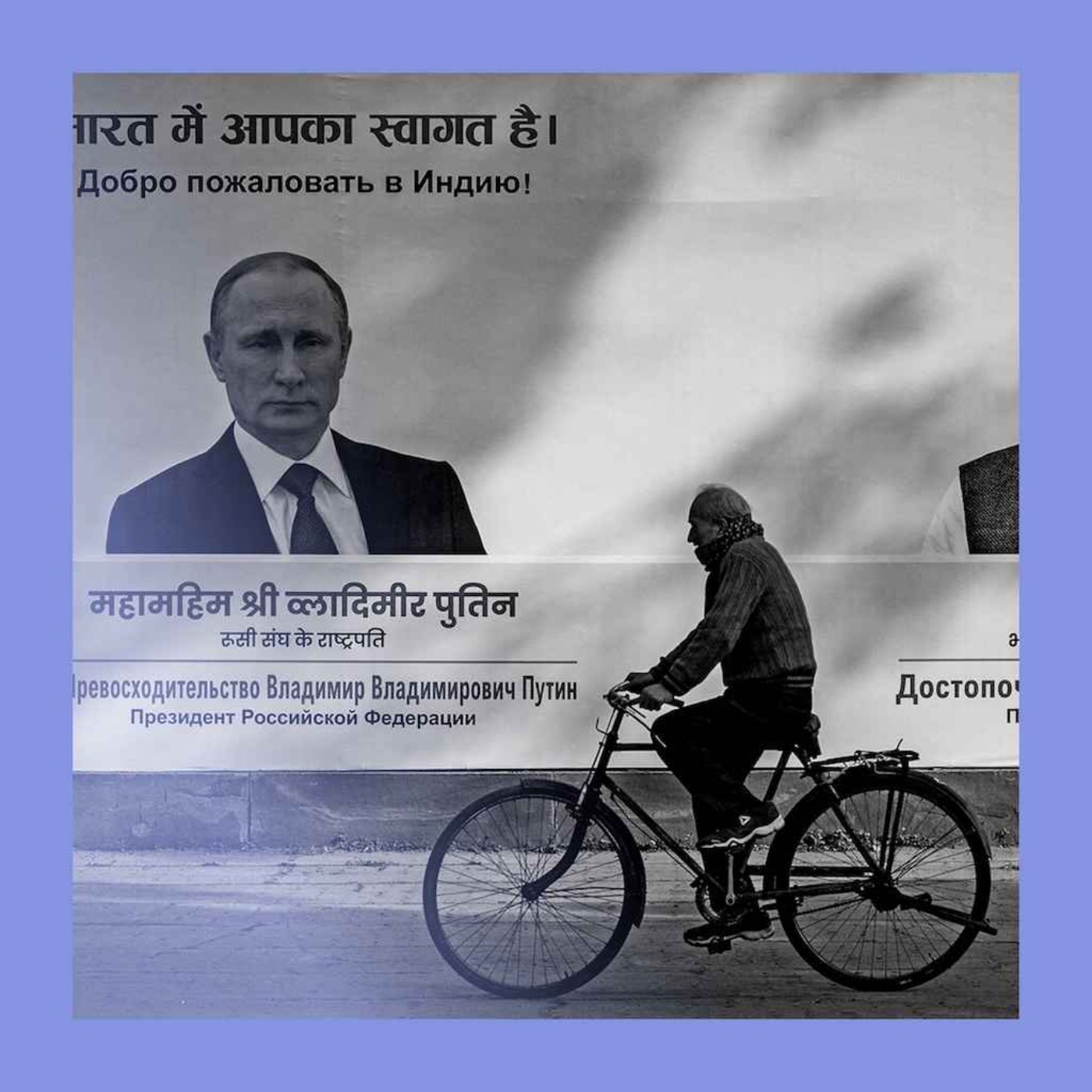
The current US-India tariff situation is a stable deadlock. The US can easily replace Indian imports, and India can absorb the minor GDP impact (30-80 basis points). This lack of urgency on either side suggests a prolonged standoff rather than a quick resolution.

The U.S. is undoing 25 years of bipartisan work by pushing India away with punitive tariffs. This is a massive strategic blunder, as India is the only country with the population and industrial scale to serve as a viable supply chain alternative to China, making it a critical geopolitical partner.

Trump's strategy of publicly bullying and belittling allies backfires on the international stage. Unlike in domestic politics, sovereign nations have viable alternatives. This approach forces them to save face by aligning with rivals like China, even if it's not in their long-term best interest.

Unlike previous administrations that used trade policy for domestic economic goals, Trump's approach is distinguished by his willingness to wield tariffs as a broad geopolitical weapon against allies and adversaries alike, from Canada to India.

Former Commerce Secretary Raimondo argues that the US cannot effectively compete with China's economic and technological scale alone. Therefore, the current administration's most significant strategic error is antagonizing essential allies in Europe and Southeast Asia.

The 'America First' foreign policy posture actively repelled other nations, causing them to seek more reliable partners. This disavowal of the traditional international order created a vacuum that Beijing filled, enhancing its soft power and global influence at the expense of the U.S.
The Trump administration's aggressive tariff policies against strategic partners like India are a diplomatic own goal. This economic pressure forces these countries, who are natural rivals to China, to hedge their bets and seek better relations with Beijing, ultimately undermining U.S. strategic interests.

Far from being a precise tool against China, recent US tariffs act as a blunt instrument that harms America's own interests. They tax raw materials and machine tools needed for domestic production and hit allies harder than adversaries. This alienates partners, disrupts supply chains, and pushes the world towards a 'World Minus One' economic coalition excluding the US.

Trump’s strategy of publicly belittling and bullying both adversaries and allies is proving ineffective. Rather than forcing compliance, this 'smash and grab' approach creates unintended consequences, pushing traditional partners like Spain and Canada closer to economic rivals like China.
