Get your free personalized podcast brief
We scan new podcasts and send you the top 5 insights daily.
The tenure system in academia is criticized for allowing unproductive senior faculty to remain in their positions indefinitely, often long after their most impactful work is done. This blocks opportunities for younger academics and stifles innovation, as there is no mechanism to remove underperforming but tenured staff.

Related Insights
To avoid organizational decay, government agencies like NASA should be established with a fixed lifespan (e.g., 10 years). At sunset, they would be forced to reconstitute, allowing for a re-evaluation of their mission and shedding of unproductive labs, ensuring continued relevance and success.
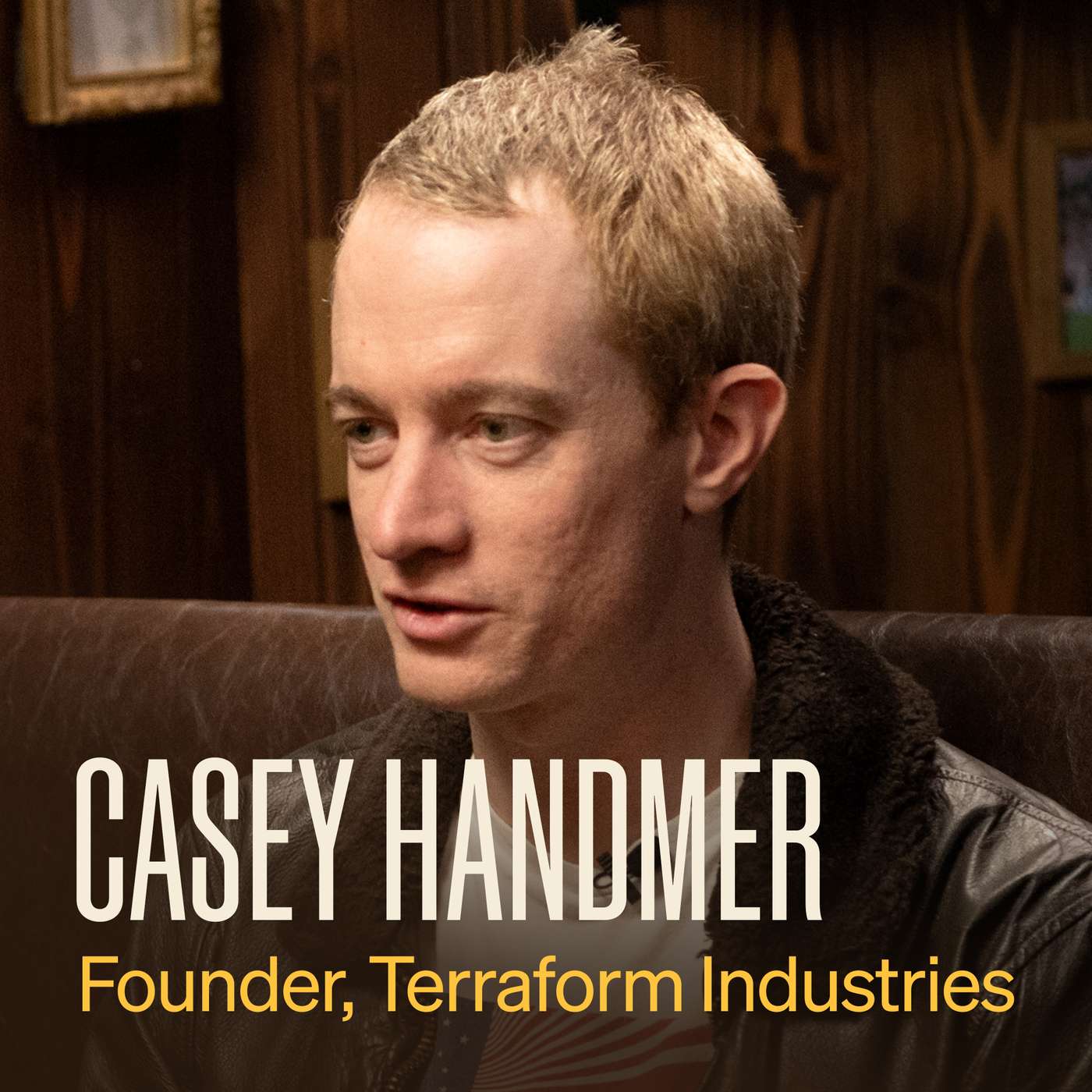
An academic career can flourish by leveraging the university's platform for credibility and teaching opportunities while actively avoiding its internal bureaucracy. The speaker found his career took off when he minimized time spent on campus politics and administration, focusing instead on teaching and external ventures.

Google's culture has become slow and risk-averse, not due to a lack of talent, but because its cushy compensation packages discourage top employees from leaving. This fosters an environment where talented individuals are incentivized to take fewer risks, hindering bold innovation, particularly in the fast-moving AI space.

The federal government is failing to attract young talent, with only 7% of its workforce being early-career compared to 23% in the private sector. This creates a significant risk as 44% of the workforce approaches retirement age, leaving a massive knowledge and experience gap that threatens institutional stability.

A CEO who stays too long creates an organization optimized to respond only to them, causing other skills and response mechanisms to weaken. Leadership changes are healthy because they force a company to develop a more balanced and resilient set of capabilities, breaking the imperial CEO model.

The traditional value proposition of government work, lifetime employment, is described as a "myth" and the "least compelling narrative" for a younger generation. A more effective pitch focuses on solving significant, complex challenges and building a versatile skill set that provides future career options, both public and private.
AI is a key factor in the current labor market stagnation. Companies are reluctant to hire as they assess AI's long-term impact on staffing needs. At the same time, they are holding onto experienced employees who are crucial for implementing and integrating the new AI technologies, thus suppressing layoffs.

The federal government's rigid GS pay schedule traditionally links compensation to degrees and years of experience, barring skilled but non-traditionally qualified individuals from senior roles. The OPM is now eliminating these requirements to enable a merit-based system where skill, not credentials, dictates pay and position.
Companies that over-hired in 2022 are now stuck with expensive employees who won't leave due to a weak job market. This creates a bottleneck, forcing companies to eventually lay off these 'seniors' to make room for new, cheaper 'freshmen' hires, signaling a turn in the labor market.
Firms invest heavily in recruiting top talent but then stifle them through micromanagement, telling them what to do and how to do it. This prevents a "return on brainpower" by not allowing employees to challenge assumptions or innovate, leaving significant value unrealized and hindering growth.