Get your free personalized podcast brief
We scan new podcasts and send you the top 5 insights daily.
Los Angeles' "glow-conomy," focused on wellness and beauty, demonstrates how a city's unique culture can create a powerful, high-spend market. Businesses catering to this niche, like med spas and premium grocery stores, can generate revenue comparable to major fast-food chains by aligning with local values like being "comfortable and fashionable."

Related Insights
While high-end bathhouses thrive in space-constrained cities like New York, their model faces national scaling challenges. Outside of dense urban cores, the target customer can often afford to buy a personal sauna for the price of a few luxury visits, making the communal model a niche urban phenomenon.
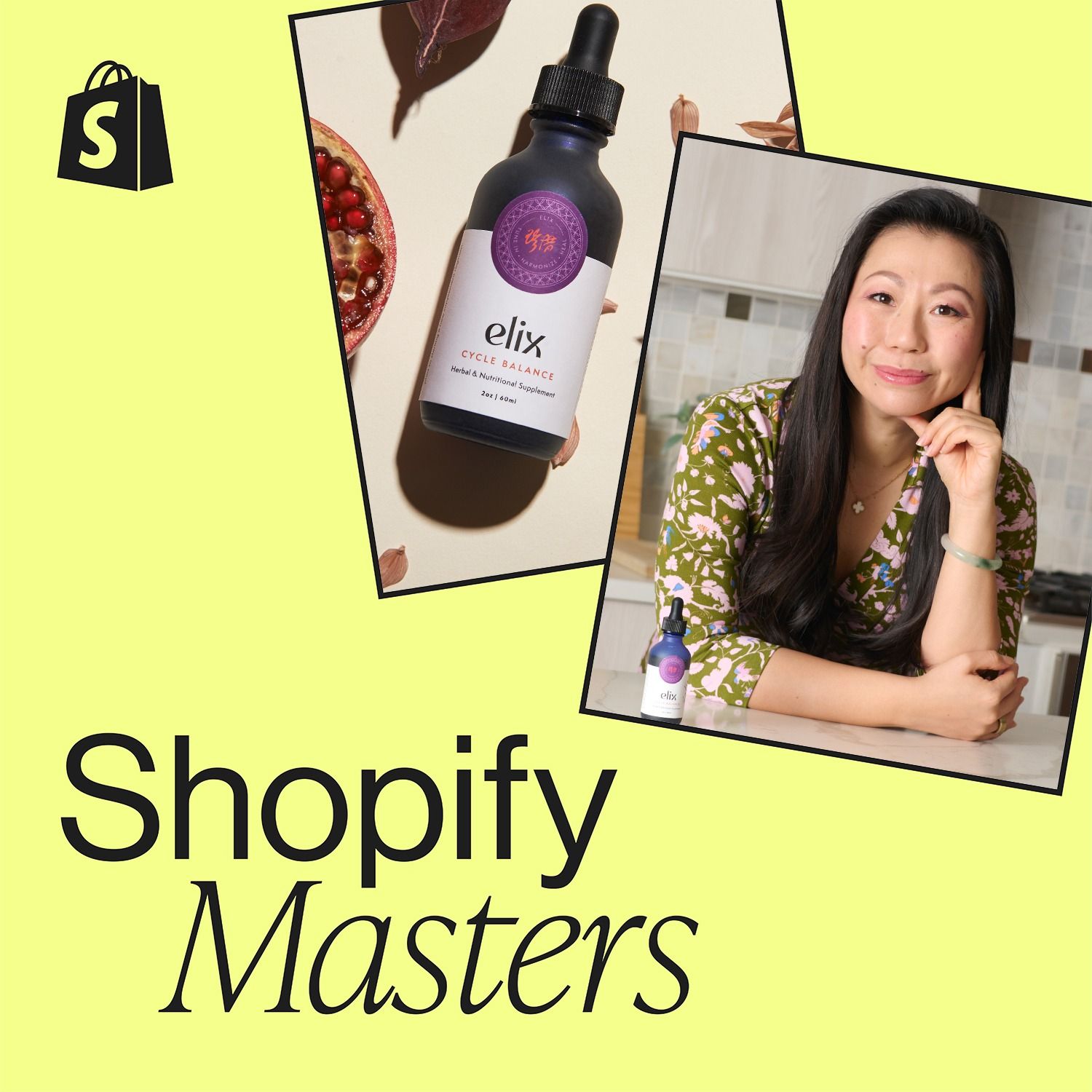
Elix founder Lulu Ge assumed her organic Chinese medicine brand would appeal to an urban, liberal demographic. Instead, she was surprised to find her highest-converting customers were from rural, non-coastal areas, highlighting the danger of demographic assumptions and the broad need for alternative health solutions.
The Queens Night Market's $6 price cap is not just a marketing tactic; it's a foundational principle and a statement against New York's high cost of living. This commitment to accessibility is the market's core identity, creating a unique joy and drawing a diverse cross-section of the city that feels priced out elsewhere.

The success of premium grocer Meadow Lane, selling $17 nuggets while the city mayor pushes for affordable stores, illustrates a K-shaped economy. One consumer segment drives demand for premium brands, while another faces increasing price pressures.

Johnson's core thesis was bringing premium brands like Starbucks and high-end theaters to inner cities. He recognized these communities had significant, untapped spending power that corporations ignored. By meeting this massive unmet demand, his ventures achieved outsized returns where others saw no market.

A surge in solo activities like dining and attending shows indicates a shift where consumers, confident and often single, prioritize personal enjoyment over social norms. This creates new opportunities for leisure and entertainment businesses to cater to the "party of one."

Major metropolitan areas like NYC or LA are oversaturated. Growing 'Tier-2' cities have an influx of wealthy residents creating high demand for services, but often lack a sufficient supply of sophisticated providers. This creates a significant arbitrage opportunity for entrepreneurs leveraging modern marketing and AI.

David Chang explains that while food service is inherently unscalable, high-end, exclusive dining experiences are scaling. The scarcity, amplified by social media, creates massive demand and "cultural currency," allowing these unique businesses to expand and increase prices, creating a barbell effect in the market.

Companies like Hilton are targeting college towns because universities function as anchor tenants for entire cities. They generate a consistent, year-round stream of visitors and economic activity—from move-in days to alumni weekends—creating a highly resilient and predictable market for service businesses to tap into.
Cities like San Francisco and New York act as global talent magnets because they project a powerful and specific "whisper," or core message, about what is valued there. For S.F., it's "build a startup." This clear signal attracts ambitious individuals worldwide who are aligned with that mission.
