Get your free personalized podcast brief
We scan new podcasts and send you the top 5 insights daily.
Building a city on Mars is hindered by a 26-month launch window, making iteration incredibly slow. The moon, with a 10-day launch window and two-day trip, allows for the rapid, agile development cycles necessary to solve the complex problems of off-world colonization.

Related Insights
Unlike on Earth, where atmospheric drag makes electromagnetic launchers (mass drivers) impractical, the Moon's vacuum environment makes them highly efficient. This technology could turn the Moon into a "train station" for the solar system, launching raw materials and goods to Mars at a fraction of the energy cost.

The debate around Jared Isaacman's nomination for NASA head highlights the central conflict in space policy: prioritizing the Moon (Artemis, countering China) versus Mars (SpaceX's goal). This strategic choice about celestial bodies, not political affiliation, is the defining challenge for NASA's next leader, with massive implications for funding and geopolitics.

Unlike current rockets, Starship is designed for full and rapid reusability. This aircraft-like operational model is projected to drop the cost per kilogram to orbit from over $1,400 to potentially as low as $10, enabling an economic revolution for space-based infrastructure.

The long-term vision isn't just launching data centers, but manufacturing them on the moon. This would utilize lunar resources and electromagnetic mass drivers to deploy satellites, making Earth's launch costs and gravity well irrelevant for deep space expansion.
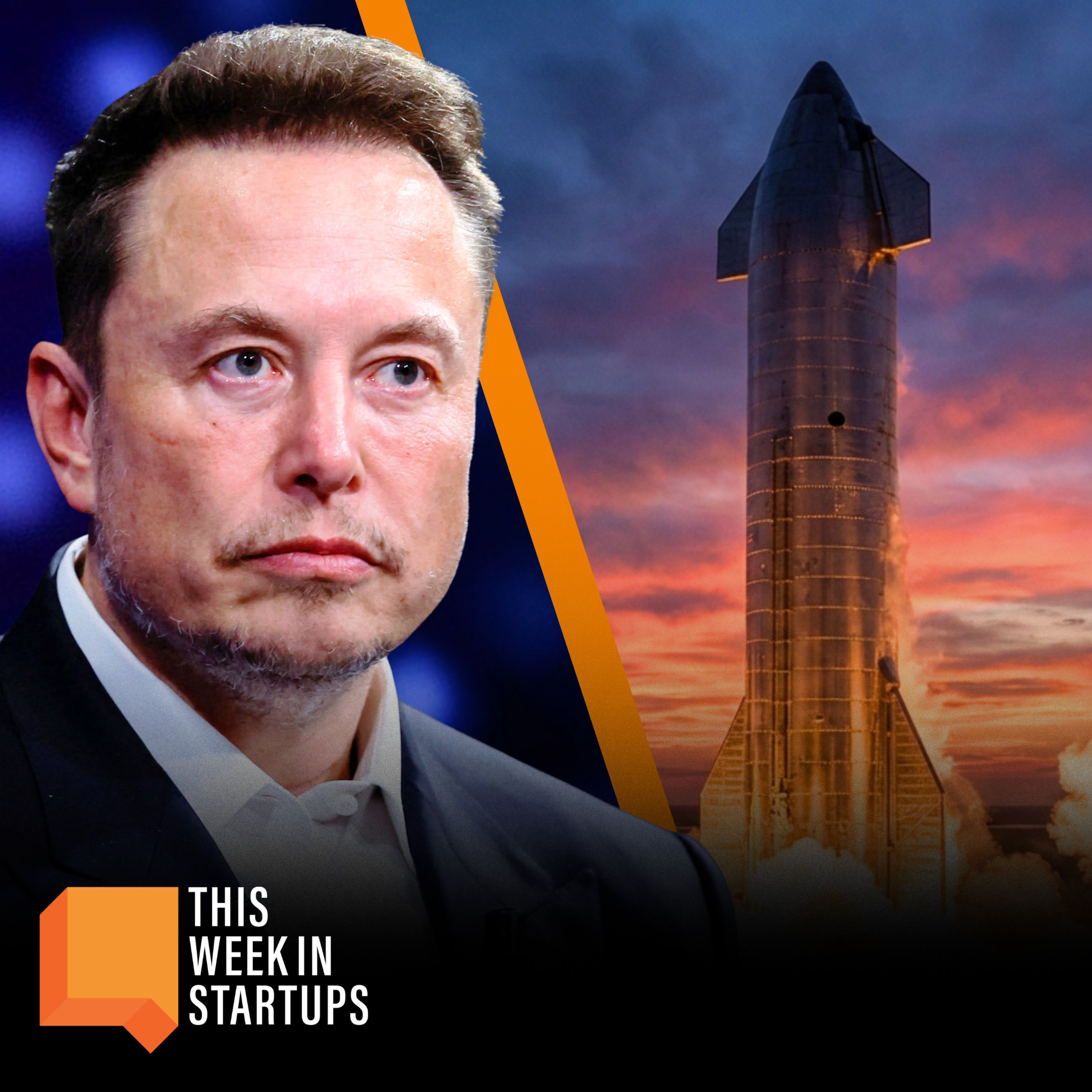
The shift to a moon base isn't just about faster space colonization. It's a strategic move to build massive AI and quantum computing data centers off-planet. This bypasses terrestrial energy regulations and solves the immense cooling requirements for these systems, positioning SpaceX to dominate the AI landscape.
Skepticism around orbital data centers mirrors early doubts about Starlink, which was initially deemed economically unfeasible. However, SpaceX drastically reduced satellite launch costs by 20x, turning a "pipe dream" into a valuable business. This precedent suggests a similar path to viability exists for space-based AI compute.

The expansion of humanity to the Moon and Mars, using robotics for base-building and mining, will necessitate vast, local computing resources. It is more efficient to process data in space than to transmit it to Earth, creating an inevitable new frontier for data infrastructure.

SpaceX is strategically delaying its Mars ambitions to first establish a permanent, 'self-growing' city on the moon. Elon Musk now views this as a more practical 10-year goal, with the moon serving as an essential staging ground for materials and deeper space exploration, rather than a direct-to-Mars approach.

The confirmation of NASA's administrator hinges on a fundamental strategic question: Moon or Mars? This isn't just a scientific debate but a political and economic one, affecting different contractors, constituents, and geopolitical goals, like counterbalancing China's progress on the moon. The choice dictates NASA's entire focus.

Due to constant solar power (5x effectiveness, no batteries needed for nighttime) and avoiding terrestrial regulations, Musk predicts space will become the most economically compelling place for AI compute in less than 36 months.