Get your free personalized podcast brief
We scan new podcasts and send you the top 5 insights daily.
In a rare display of conviction, former Lifco CEO Frederick Carlson, after being fired over a bonus dispute, immediately bought more shares. This act demonstrated immense faith in the company's durable culture and the abilities of his successor, validating the strength of the organization beyond any single leader.

Related Insights
While CEO and COO open-market buys are strong signals, their absence isn't fatal. In Fiserv's case, recent buys from the new CFO, Chief Legal Officer, and a director with a history of successful insider trades provide critical, albeit more nuanced, confirmation of a turnaround from key oversight roles.

In biotech, CEO insider buys are common and not very predictive. The real signal comes from the rest of the management team, especially the CFO. CFOs are typically more bearish and financially disciplined, so their decision to buy company stock is a particularly strong vote of confidence.
A CFO's large personal investment, despite a significant subsequent stock price decline, indicates strong belief in a turnaround. Newell's strategy of cutting unprofitable product lines to boost profitability is being misread by the market as just falling revenue, creating a potential value opportunity.

Serial acquirer Lifco improves post-acquisition performance by having sellers retain an ownership stake in their business. This goes beyond typical earn-outs, keeping the founder's expertise and incentives aligned with the parent company for long-term growth, rather than just hitting short-term targets.
When Applovin's stock fell 92%, the market signaled the business was doomed. The CEO's most critical job was to maintain and project internal conviction in a new, bold strategy (rebuilding their core tech). This confidence was essential to rally the team and retain the key talent needed for a turnaround.

The dramatic shift in Fiserv's CEO approval rating on Glassdoor from a toxic 12% under the prior CEO to 71% under the new one is a powerful leading indicator. This rapid improvement in morale and culture suggests a business turnaround is underway, long before it will be reflected in financial reports.
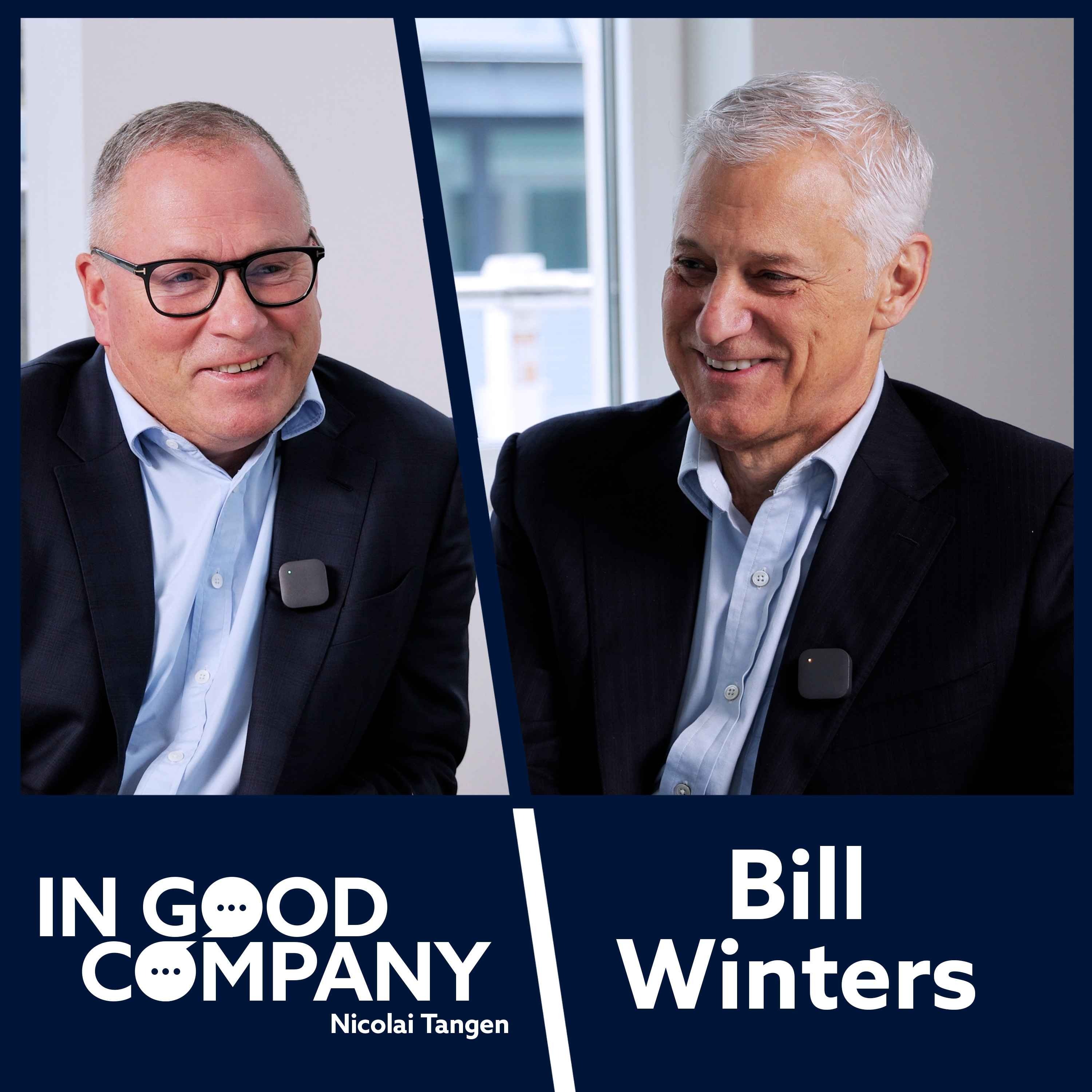
When communicating with shareholders during a crisis, Bill Winters didn't just present a plan. He explained why he, as an outsider with a comfortable life, chose the challenging CEO role. This demonstrated personal conviction in the bank's underlying value, building credibility beyond spreadsheets.
Warren Buffett's successor, Greg Abel, is investing his entire $15 million salary into Berkshire Hathaway stock. This is a powerful form of "eating your own dog food" that signals ultimate confidence in the company's future to the market, aligning his personal financial success directly with shareholder outcomes.

A CEO must act as an emotional stabilizer. When the team is optimistic, the CEO must focus on potential risks. When the team is pessimistic, the CEO must project confidence and point towards future success, constantly balancing the company's collective mood.
Jonathan Tepper views aggressive share buybacks during market downturns as a hallmark of a superior CEO. Unlike managers who buy back shares when things are good and the stock is high, great capital allocators like Booking.com's CEO seize moments of market fear to repurchase shares at a discount, creating significant long-term value.