Get your free personalized podcast brief
We scan new podcasts and send you the top 5 insights daily.
Neeleman's career demonstrates a powerful loop of learning and application. He took lessons on new planes and culture from Southwest to JetBlue, then learned the value of monopoly markets at his Brazilian airline Azul, which became a core strategy for his latest venture, Breeze Airways.

Related Insights
Second-time founders (“Act II teams”) possess a unique advantage. They can solve the same core problem but with complete clarity from the start, knowing the edge cases and organizational structure required. This allows them to leverage modern technology while avoiding the mistakes of their first venture, as seen with the founders of Workday and Affirm.
![Henry Ellenbogen - Man Versus Machine - [Invest Like the Best, EP.452] thumbnail](https://megaphone.imgix.net/podcasts/498a0910-d6ea-11f0-aae4-8f837283e00f/image/9b60f0353346cd1b5cbd326c86e22287.jpg?ixlib=rails-4.3.1&max-w=3000&max-h=3000&fit=crop&auto=format,compress)
The founder journey requires different skills at different stages. Instead of being a generalist CEO for ten years, founders can specialize in the chaotic 0-to-1 phase. By repeatedly building companies to initial traction and then handing them off, they get more reps and build deep expertise.

Many successful second-time founders don't innovate into new fields. Instead, they re-apply a proven playbook to the same market, much like a gamer "speed-running" a familiar level. This leverages deep domain expertise to execute faster and more effectively, bypassing the learning curve of a new industry.

Top entrepreneurs don't just build a product; they become historians of their domain. They study predecessors, understand market evolution, and learn from past attempts. This deep historical knowledge, seen in founders of Stripe and Airbnb, is a key differentiator and trait of the very best.

A common trait among exceptional founders is a deep, almost academic, understanding of their industry's history. They learn from every past attempt, success, and failure. This historical context allows them to innovate with a unique perspective and avoid the pitfalls that doomed their predecessors, a sign of true commitment and expertise.

If you've had past success with a CEO, it's a strong indicator of their talent and execution ability. Following them to their next company, as one investor did with a CEO across three separate ventures, can be a highly effective investment strategy that leverages a proven track record.
Instead of relying on a single unique selling proposition, Neeleman advocates for layering multiple advantages. For his airline Breeze, it's not just about nonstop flights but also best service, on-time performance, and premium options, creating a superior, hard-to-replicate customer experience.
The most successful founders rarely get the solution right on their first attempt. Their strength lies in persistence combined with adaptability. They treat their initial ideas as hypotheses, take in new data, and are willing to change their approach repeatedly to find what works.

Successful people with unconventional paths ('dark horses') avoid rigid five or ten-year plans. Like early-stage founders, they focus on making the best immediate choice that aligns with their fulfillment, maintaining the agility to pivot. This iterative approach consistently outperforms fixed, long-term roadmaps.
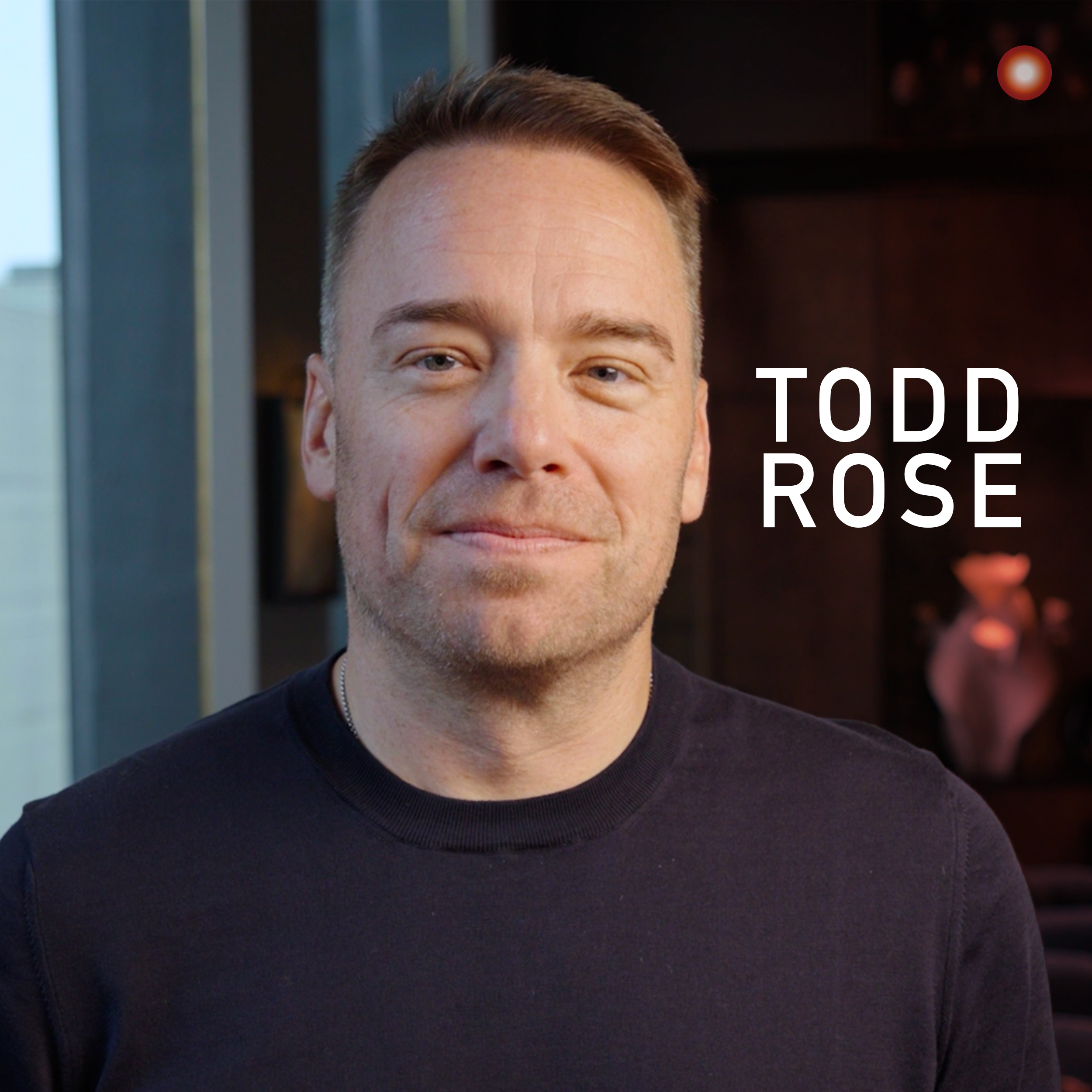
David Neeleman believes true entrepreneurship goes beyond simple passion. It demands complete immersion—constantly thinking about the business from the moment you wake up. This obsession with flawless execution in every detail is the key differentiator that allows founders to build enduring companies.