Get your free personalized podcast brief
We scan new podcasts and send you the top 5 insights daily.
Many successful second-time founders don't innovate into new fields. Instead, they re-apply a proven playbook to the same market, much like a gamer "speed-running" a familiar level. This leverages deep domain expertise to execute faster and more effectively, bypassing the learning curve of a new industry.

Related Insights
The most successful founders, like Koenigsegg, say the same things on day one as they do 20 years later. Their success comes not from pivoting, but from the relentless, decades-long execution of a single, powerful vision. This unwavering consistency compounds into a massive competitive advantage and defines the company's character.

The fastest-growing founders achieve outlier results not by working more hours, but by operating differently. They identify the single biggest bottleneck (e.g., low sales close rate), generate high-volume opportunities to test it (e.g., five sales calls a day), and then iterate on their process with extreme speed (e.g., reviewing and shipping changes every two days).

Second-time founders (“Act II teams”) possess a unique advantage. They can solve the same core problem but with complete clarity from the start, knowing the edge cases and organizational structure required. This allows them to leverage modern technology while avoiding the mistakes of their first venture, as seen with the founders of Workday and Affirm.
![Henry Ellenbogen - Man Versus Machine - [Invest Like the Best, EP.452] thumbnail](https://megaphone.imgix.net/podcasts/498a0910-d6ea-11f0-aae4-8f837283e00f/image/9b60f0353346cd1b5cbd326c86e22287.jpg?ixlib=rails-4.3.1&max-w=3000&max-h=3000&fit=crop&auto=format,compress)
Success in startups often bypasses mid-career managers. It's concentrated among young founders who don't know the rules and thus break them, creating disruption, and veteran founders who know all the rules and can strategically exploit market inefficiencies based on decades of experience.
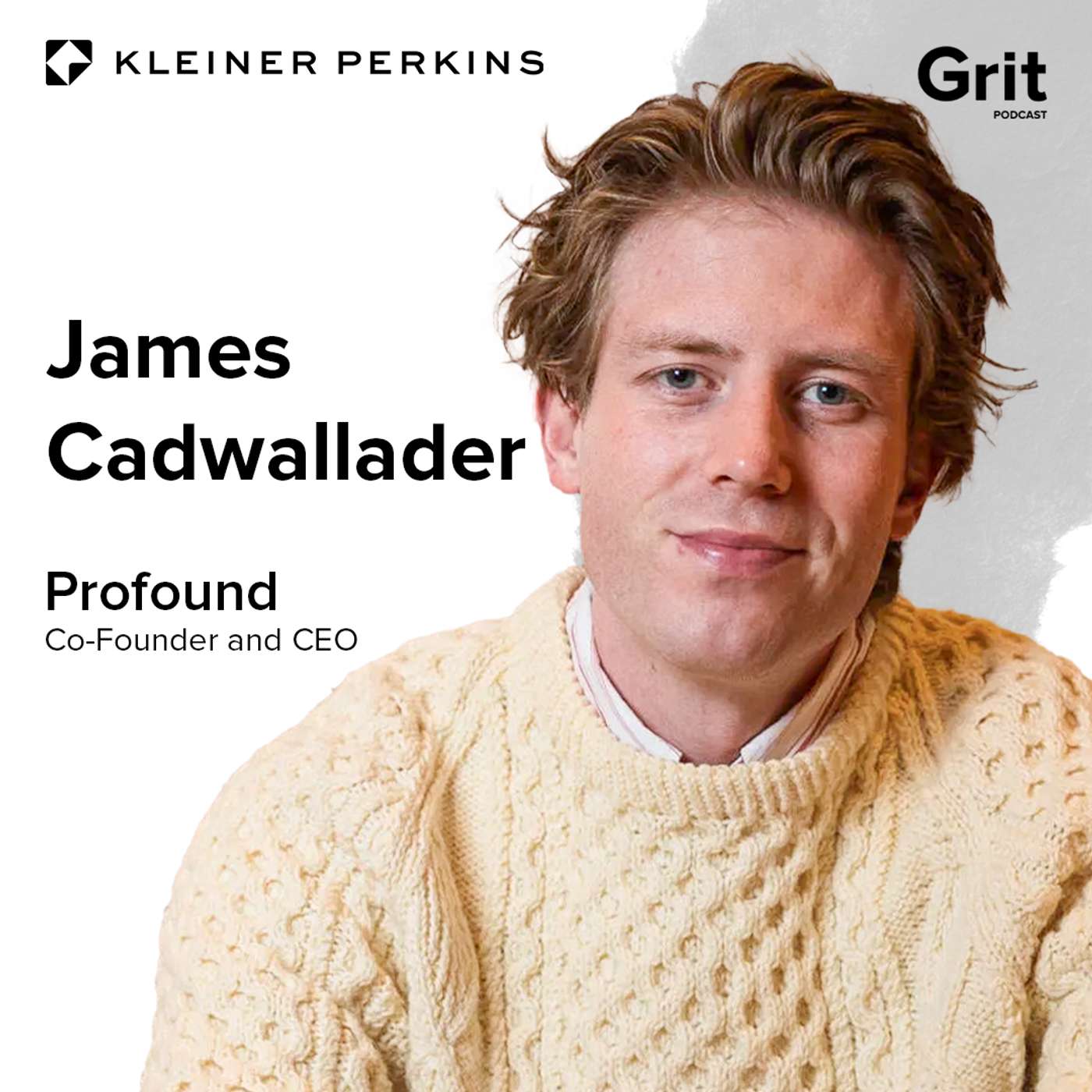
A scaling founder can avoid "breaking the model" during hypergrowth by hiring senior leaders with proven track records in similar environments. For example, Profound hired a CRO who previously scaled a company with the same target customer to $250M, bringing invaluable experience to manage chaos.
To increase the odds of success, Moonshot AI's founder advises choosing a startup path that operates in "easy mode." This framework involves selecting a market you're passionate about, leveraging the core strengths of the founding team, and aligning with strong market tailwinds. While no startup is easy, this approach simplifies key variables.

Instead of starting from scratch, a common strategy for successful founders is to use their exit capital to acquire existing, profitable businesses. By sticking to industries they already know, they can apply their specific expertise to grow established companies, mimicking Warren Buffett's investment philosophy.

Obsessing over creating a new market category is often a mistake. Data shows the vast majority of successful public tech companies compete within established categories. It's more effective to get "invited to the party" by using a known category label and then winning with a sharp, differentiated value proposition.

While technical founders excel at finding an initial AI product wedge, domain-expert founders may be better positioned for long-term success. Their deep industry knowledge provides an intuitive roadmap for the company's "second act": expanding the product, aligning ecosystem incentives, and building defensibility beyond the initial tool.
Seeing an existing successful business is validation, not a deterrent. By copying their current model, you start where they are today, bypassing their years of risky experimentation and learning. The market is large enough for multiple winners.
