Get your free personalized podcast brief
We scan new podcasts and send you the top 5 insights daily.
A common trait among exceptional founders is a deep, almost academic, understanding of their industry's history. They learn from every past attempt, success, and failure. This historical context allows them to innovate with a unique perspective and avoid the pitfalls that doomed their predecessors, a sign of true commitment and expertise.

Related Insights
Second-time founders (“Act II teams”) possess a unique advantage. They can solve the same core problem but with complete clarity from the start, knowing the edge cases and organizational structure required. This allows them to leverage modern technology while avoiding the mistakes of their first venture, as seen with the founders of Workday and Affirm.
![Henry Ellenbogen - Man Versus Machine - [Invest Like the Best, EP.452] thumbnail](https://megaphone.imgix.net/podcasts/498a0910-d6ea-11f0-aae4-8f837283e00f/image/9b60f0353346cd1b5cbd326c86e22287.jpg?ixlib=rails-4.3.1&max-w=3000&max-h=3000&fit=crop&auto=format,compress)
Waiting for perfect data leads to paralysis. A core founder skill is making hard decisions with incomplete information. This 'founder gut' isn't innate; it's developed by studying the thought processes—not just the outcomes—of experienced entrepreneurs through masterminds, advisors, or podcasts.

Many successful second-time founders don't innovate into new fields. Instead, they re-apply a proven playbook to the same market, much like a gamer "speed-running" a familiar level. This leverages deep domain expertise to execute faster and more effectively, bypassing the learning curve of a new industry.

Top entrepreneurs don't just build a product; they become historians of their domain. They study predecessors, understand market evolution, and learn from past attempts. This deep historical knowledge, seen in founders of Stripe and Airbnb, is a key differentiator and trait of the very best.

Success for a year or even five is common; success for decades is rare and contains unique lessons. Prioritize durability above all else by studying and speaking with people who have maintained high performance over extremely long periods. This provides a filter for timeless, compoundable wisdom.
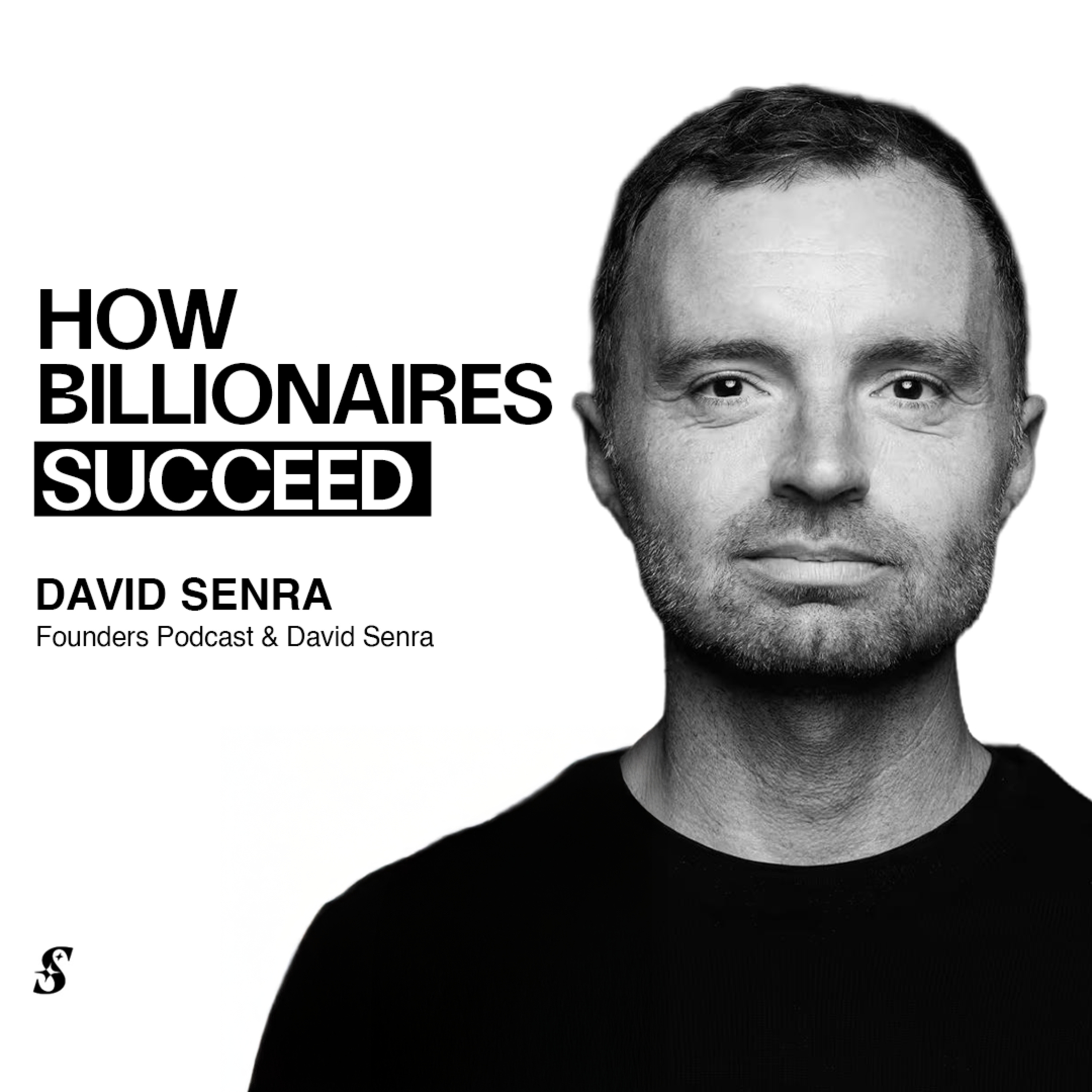
Contrary to the typical founder narrative of invention, Orlando Bravo emphasizes that his career was built on execution and disciplined learning. He actively listened to his mentors, absorbing their playbooks rather than trying to invent his own, suggesting apprenticeship can be a faster path to success.
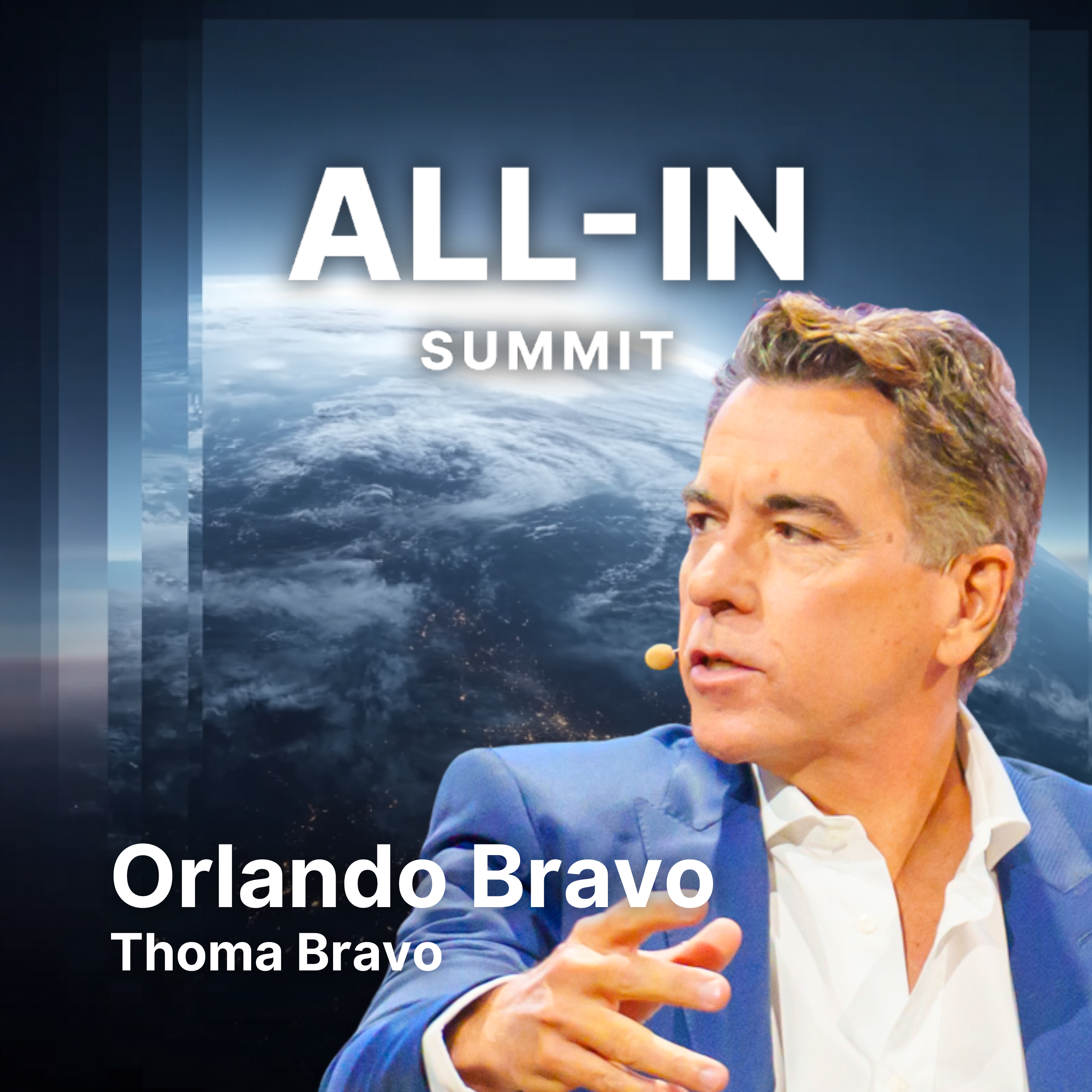
In school or corporate jobs, the 'rules for success' are provided. Founders enter a world with no such rubric and often fail because they don't consciously develop their own theory of how the world works, instead defaulting to shallow, unexamined beliefs about what founders 'should' do.

Truly great ideas are rarely original; they are built upon previous work. Instead of just studying your heroes like Buffett or Jobs, research who *they* studied (e.g., Henry Singleton, Edwin Land). This intellectual genealogy uncovers the timeless, foundational principles they applied.

Many iconic founders, like Southwest's Herb Kelleher, were beginners in their industries. This lack of experience was an advantage, freeing them from established dogmas and allowing them to approach problems with a fresh perspective. They built unconventional models that incumbents dismissed or couldn't replicate.

Founders from backgrounds like consulting or top universities often have a cognitive bias that "things will just work out." In startups, the default outcome is failure. This mindset must be replaced by recognizing that only intense, consistent execution of uncomfortable tasks can alter this trajectory.