Get your free personalized podcast brief
We scan new podcasts and send you the top 5 insights daily.
Peter Steinberger's decision to join OpenAI highlights a key motivator for top AI talent: access to unparalleled resources. Already financially independent, his move was driven by the opportunity to work with cutting-edge compute like Cerebras chips and the latest models.

Related Insights
The constant shuffling of key figures between OpenAI, Anthropic, and Google highlights that the most valuable asset in the AI race is a small group of elite researchers. These individuals can easily switch allegiances for better pay or projects, creating immense instability for even the most well-funded companies.

The story of OpenClaw's creator shows how a single person can build a tool so superior to what large labs like OpenAI produce that it forces a high-profile "acqui-hire." This highlights the immense leverage of individual talent in the current AI landscape.
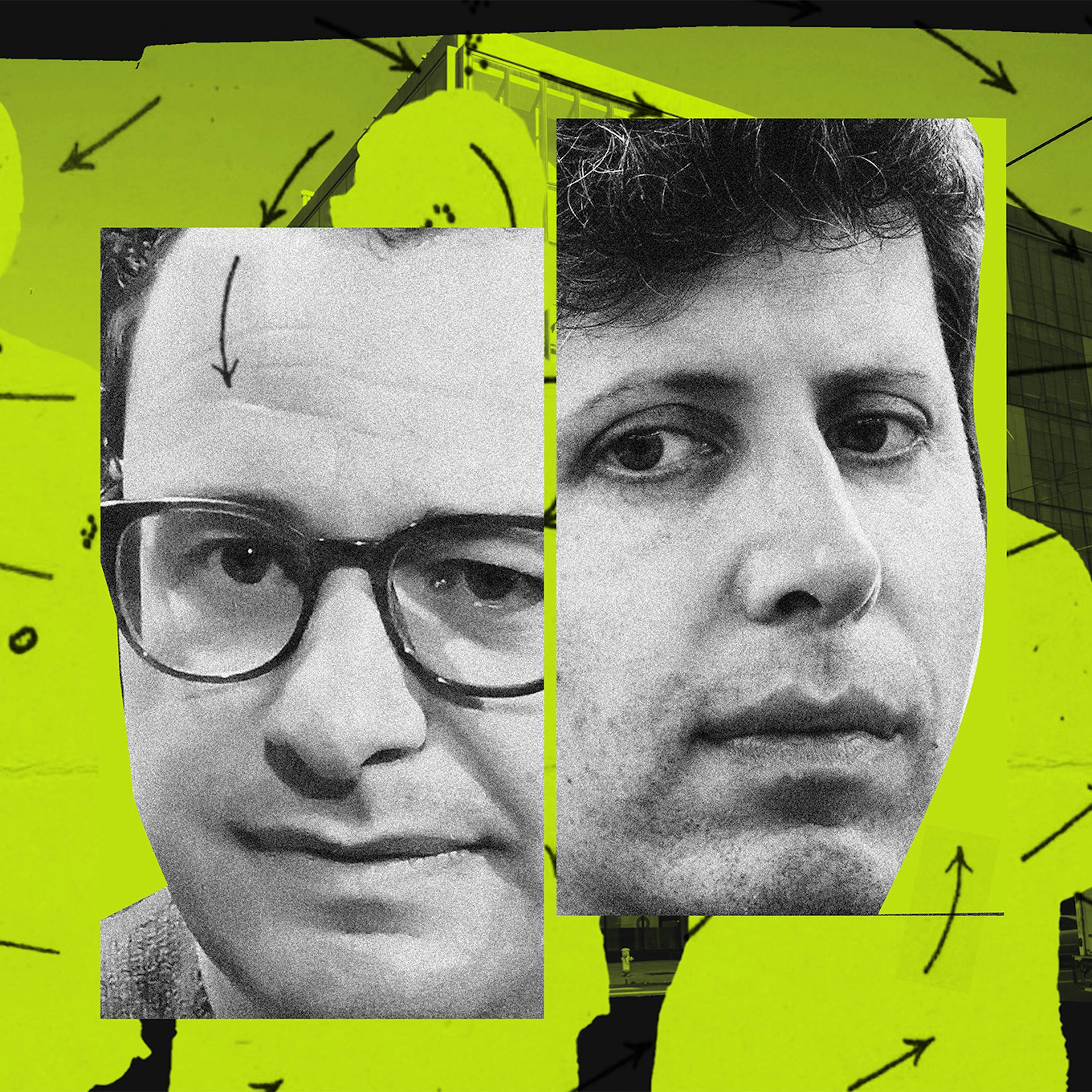
Following the loss of prominent figures like Karpathy and Sutskever, OpenAI's move for OpenClaw's founder is more than a technology acquisition. It's a strategic 'acqui-hire' of a new developer hero who commands immense community respect. This move reinvigorates OpenAI's brand as the top destination for builders and inspires internal teams.

The optimistic take is that OpenAI paid a premium to bring founder Peter in-house for his talent and to gain strategic insights from the open-source project's development. Placing OpenClaw in a foundation led by the ethical Dave Morin is a move to reassure the community.
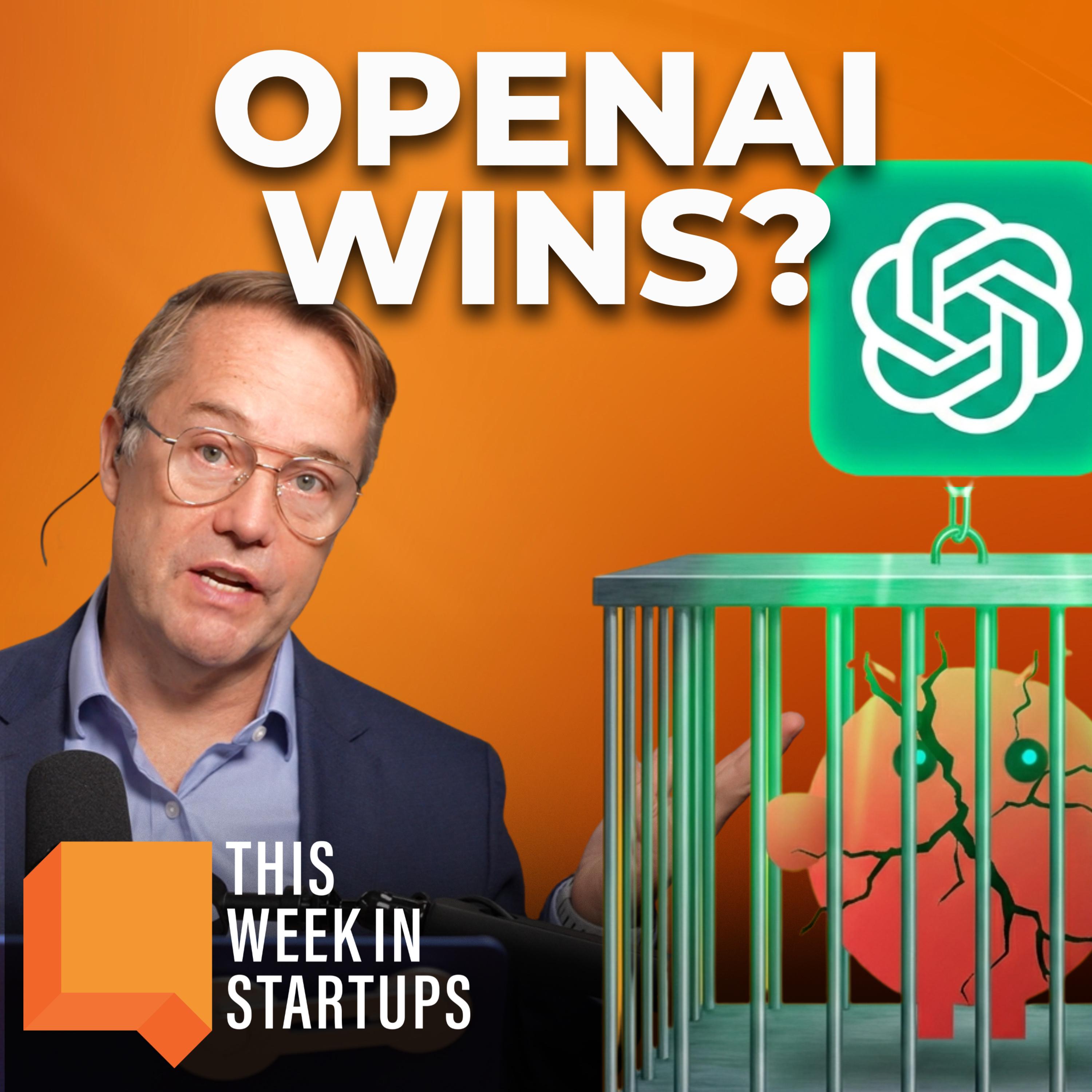
The 'Valinor' metaphor for AI talent's destination has flipped. It once signified leaving big labs for well-funded startups like Thinking Machines. Now, as those startups face turmoil, Valinor represents a return to the stability and immense resources of established players like OpenAI, which are re-attracting top researchers.

For elite AI researchers who are already wealthy, extravagant salaries are less compelling than a company's mission. Many job changes are driven by misalignments in values or a lack of faith in leadership, not by higher paychecks.
To hire OpenClaw's founder Peter Steinberger, OpenAI established a separate foundation to house his open-source project. This novel acqui-hire tactic secures top talent whose primary motivation is preserving their project's open-source integrity, demonstrating flexibility in the competitive AI talent war.

Paying a single AI researcher millions is rational when they're running experiments on compute clusters worth tens of billions. A researcher with the right intuition can prevent wasting billions on failed training runs, making their high salary a rounding error compared to the capital they leverage.
![Dylan Patel - Inside the Trillion-Dollar AI Buildout - [Invest Like the Best, EP.442] thumbnail](https://megaphone.imgix.net/podcasts/799253cc-9de9-11f0-8661-ab7b8e3cb4c1/image/d41d3a6f422989dc957ef10da7ad4551.jpg?ixlib=rails-4.3.1&max-w=3000&max-h=3000&fit=crop&auto=format,compress)
Despite significant VC interest, OpenClaw founder Peter Steinberger joined OpenAI to avoid the operational burdens of starting another company. This highlights a key motivation for elite technical talent: the desire to focus purely on building technology without the distractions of fundraising and management.
OpenAI’s pivotal partnership with Microsoft was driven more by the need for massive-scale cloud computing than just cash. To train its ambitious GPT models, OpenAI required infrastructure it could not build itself. Microsoft Azure provided this essential, non-commoditized resource, making them a perfect strategic partner beyond their balance sheet.