Get your free personalized podcast brief
We scan new podcasts and send you the top 5 insights daily.
We often misdiagnose exhaustion or being busy as burnout. True burnout occurs when your effort and care are no longer connected to a sense of purpose or hope. It's not about working too much, but about work feeling meaningless and compulsory, creating a distance between the 'trying' and the 'reason for trying'.

Related Insights
Burnout isn't a single condition. Emotional exhaustion needs a break (vacation). A lack of self-efficacy requires skill development (upskilling). Cynicism, the hardest to fix, demands rediscovering your 'why' (inspiration). Misdiagnosing the cause leads to ineffective solutions.

A primary cause of burnout is the internal friction from pursuing mutually exclusive goals (e.g., maximizing wealth, family time, and travel simultaneously). The solution is to prioritize based on one's current stage of life, creating a coherent personal vision.

Connective labor can be sustaining, not draining. Burnout occurs when the "social architecture" lacks support systems like "sounding boards" for practitioners to process their work. The problem isn't the emotional work itself, but the conditions under which it's performed.
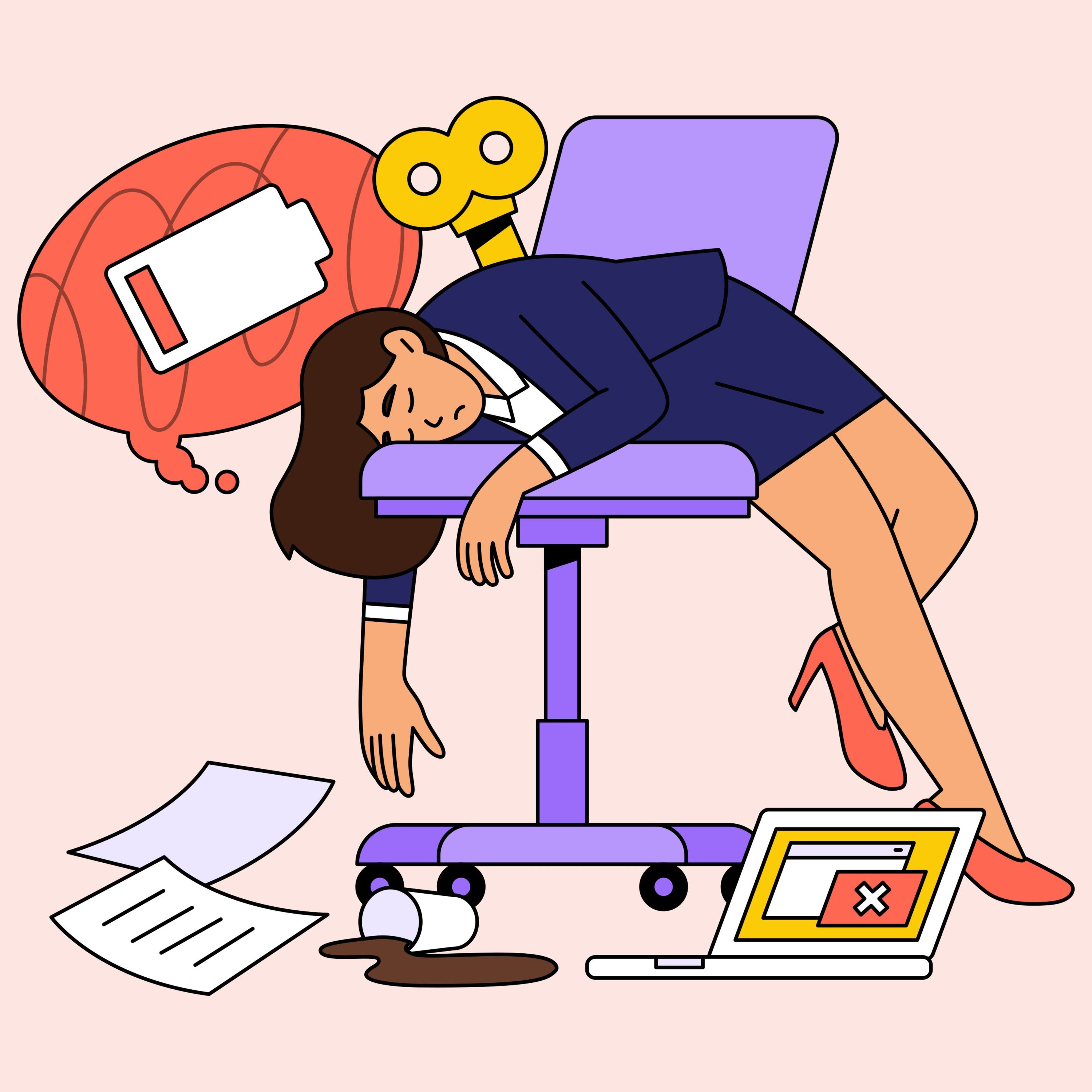
Citing Dr. Christina Maslach's research, burnout stems from six specific causes: work overload, lack of control, insufficient reward/recognition, unfairness, breakdown of community, and value conflicts. This provides leaders a diagnostic framework beyond just managing hours.

Many professionals burn out after realizing the definition of success they've been chasing was shaped by external expectations, not personal values. This cognitive dissonance between their environment's values and their own creates a feeling of emptiness and requires a pivot toward intrinsically meaningful work.

Burnout is not solely caused by overwork. It can result from "moral injury," where employees are systemically prevented from fulfilling their purpose or helping others effectively. This lack of impact and control can be more draining than working long hours.

Author Jonathan Fields argues circumstantial factors like long hours are just "lighter fluid" for burnout. The real cause is a fundamental misalignment between your innate work-imprint (your "Sparkotype") and the tasks you perform daily, making the issue existential, not circumstantial.
A manager's instinct for burnout is to reduce workload. However, the feeling of exhaustion can stem from a disconnect with the company's mission. The correct solution may not be taking tasks away, but rather reconnecting the employee's daily work to a larger, more meaningful purpose.
Data scientist Penelope Lafeuille's burnout wasn't solely from long hours, but from a major disconnect between her daily work in finance and her long-term career goal in life sciences. This misalignment created a lack of purpose that overwork simply exacerbated, prompting a career change as the true solution.

Burnout is often misdiagnosed as a symptom of overwork. The Working Genius model suggests it's actually caused by spending too much time on tasks that fall outside your natural areas of genius and in your areas of frustration. Work that aligns with your genius can be energizing, even after long hours.