Get your free personalized podcast brief
We scan new podcasts and send you the top 5 insights daily.
When Amazon attacked Square with a cheaper clone, they failed because they only copied surface-level features. Square had built a deep, interconnected "stack" of 14 non-obvious innovations out of necessity, creating a powerful, invisible moat that Amazon couldn't replicate.

Related Insights
The founders initially feared their data collection hardware would be easily copied. However, they discovered the true challenge and defensible moat lay in scaling the full-stack system—integrating hardware iterations, data pipelines, and training loops. The unexpected difficulty of this process created a powerful competitive advantage.

AI can easily clone a product's user interface. However, a mature product's real defensibility lies in its "dark matter"—the vast, invisible knowledge of countless edge cases, regulatory nuances, and failure modes accumulated over years. This makes true replacement much harder than it appears.
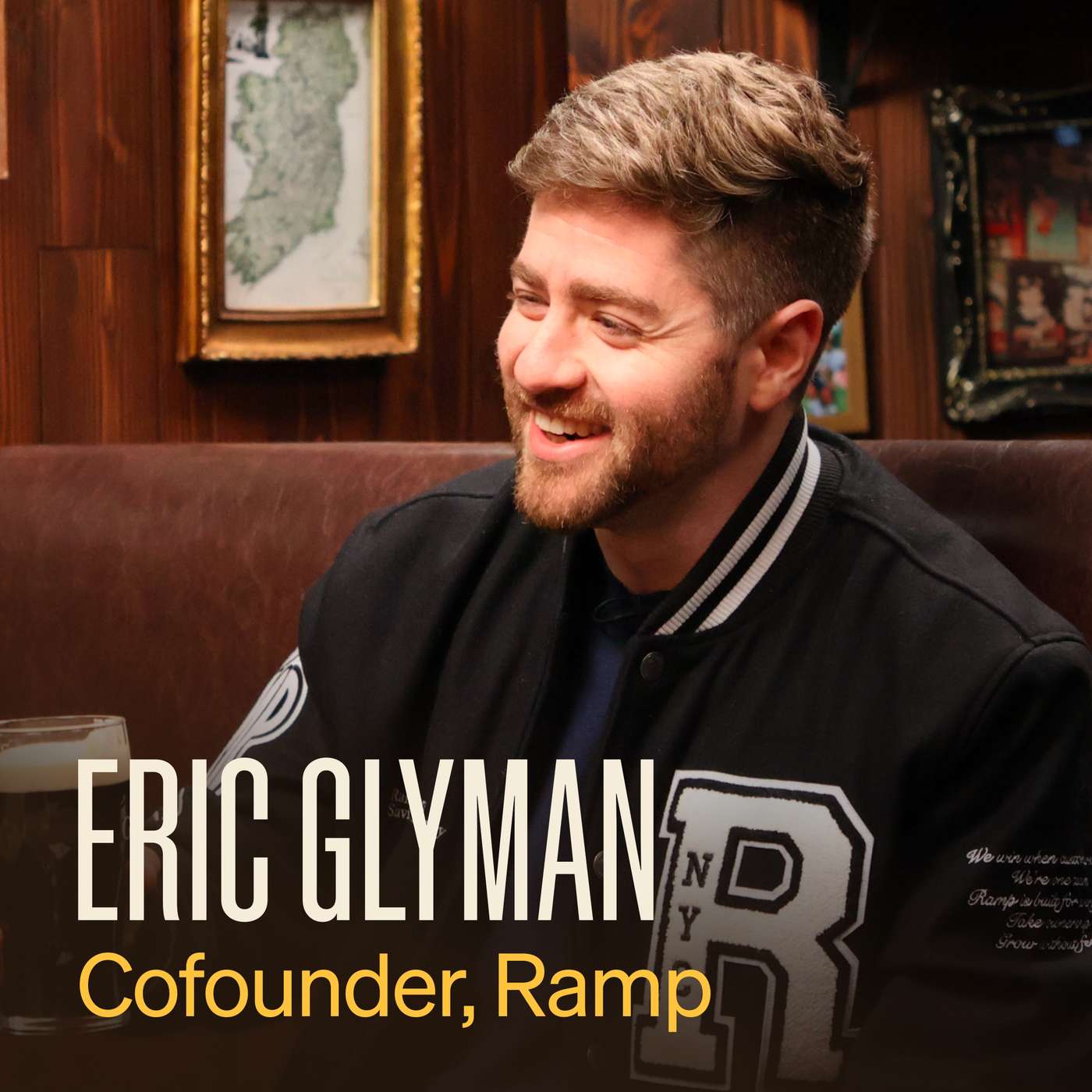
Square's product development is guided by the principle that "a seller should never outgrow Square." This forces them to build a platform that serves businesses from their first sale at a farmer's market all the way to operating in a large stadium, continuously adding capabilities to manage growing complexity.

Startups often fail by making a slightly better version of an incumbent's product. This is a losing strategy because the incumbent can easily adapt. The key is to build something so fundamentally different in structure that competitors have a very hard time copying it, ensuring a durable advantage.
![Palmer Luckey - Inventing the Future of Defense - [Invest Like the Best, CLASSICS] thumbnail](https://megaphone.imgix.net/podcasts/f7c9aa8e-cb8d-11f0-828e-0b281809c10a/image/cc07f91ec47f95abbde771a4956b37b7.jpg?ixlib=rails-4.3.1&max-w=3000&max-h=3000&fit=crop&auto=format,compress)
The term "unsloppable" describes companies whose competitive advantage isn't their codebase, which AI can replicate. Instead, their strength comes from durable moats like hardware, strong network effects (Uber), exclusive IP (Disney), or physical infrastructure, which are difficult for AI-powered startups to clone.
To get rule changes from giants like Visa and MasterCard, Square didn't fight them. Instead, they showed how their technology would bring millions of new, smaller merchants onto the credit card network—a market the incumbents' existing system was too expensive and complex to reach.
Creating a basic AI coding tool is easy. The defensible moat comes from building a vertically integrated platform with its own backend infrastructure like databases, user management, and integrations. This is extremely difficult for competitors to replicate, especially if they rely on third-party services like Superbase.

Sam Altman argues that the key to winning is not a single feature but the ability to repeatedly innovate first. Competitors who copy often replicate design mistakes and are always a step behind, making cloning a poor long-term strategy for them.

As AI commoditizes business execution, true defensibility will come from creative ingenuity in areas like go-to-market strategy or novel business models. This form of creativity cannot be generated by AI, making it a rare and durable competitive advantage.

A durable competitive advantage, as defined by lessons from Amazon's Jeff Bezos, is an edge that persists even if a competitor woke up tomorrow and perfectly copied your strategy with equally talented people. Amazon used its early cost advantage to build physical fulfillment centers, creating an infrastructure lead that became impossible to close, even once the strategy was obvious.
![Henry Ellenbogen - Man Versus Machine - [Invest Like the Best, EP.452] thumbnail](https://megaphone.imgix.net/podcasts/498a0910-d6ea-11f0-aae4-8f837283e00f/image/9b60f0353346cd1b5cbd326c86e22287.jpg?ixlib=rails-4.3.1&max-w=3000&max-h=3000&fit=crop&auto=format,compress)