Get your free personalized podcast brief
We scan new podcasts and send you the top 5 insights daily.
When a platform like YouTube imposes limitations (e.g., no playlists for kids' songs), an AI agent can execute a custom workflow. It can download the content, connect to a personal network-attached storage (NAS), and host it on a different service like Plex, giving you full control.

Related Insights
The power of tools like Claude Code comes from giving the AI access to fundamental command-line tools (e.g., `bash`, `grep`). This allows the AI to compose novel solutions and lets product teams define new features using simple English prompts rather than hard-coded logic.

Unlike tools like Zapier where users manually construct logic, advanced AI agent platforms allow users to simply state their goal in natural language. The agent then autonomously determines the steps, writes necessary code, and executes the task, abstracting away the workflow.
Instead of relying on one-off prompts, professionals can now rapidly build a collection of interconnected internal AI applications. This "personal software stack" can manage everything from investments and content creation to data analysis, creating a bespoke productivity system.

By running locally on a user's machine, AI agents can interact with services like Gmail or WhatsApp without needing official, often restrictive, API access. This approach works around the corporate "red tape" that stifles innovation and effectively liberates user data from platform control.
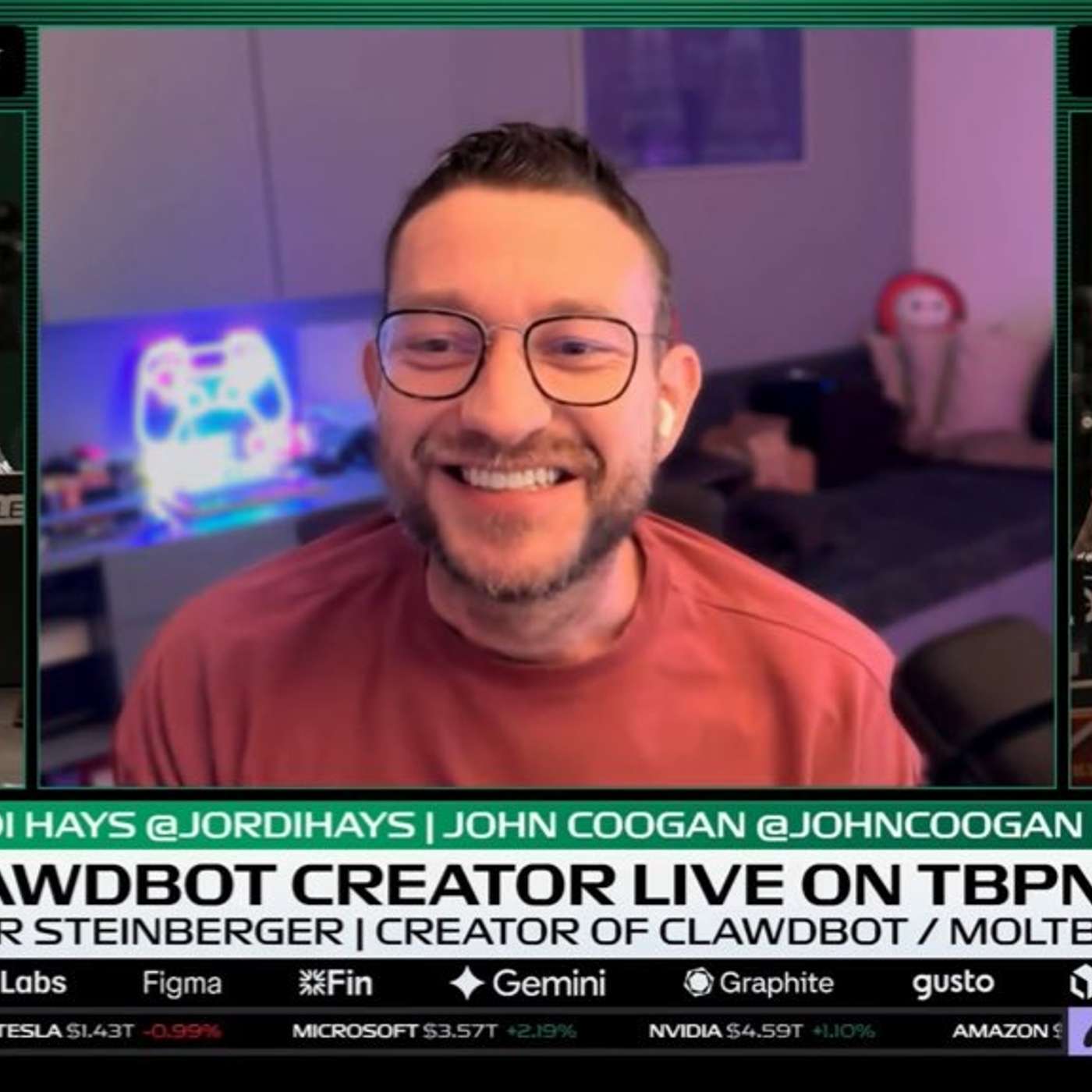
AI agents like Claude Bot can execute personalized tasks, such as building a custom news aggregator from paywalled subscriptions, that would violate terms of service for a business but are feasible for an individual. This "arbitrage" is a key driver of their utility.

Instead of integrating with existing SaaS tools, AI agents can be instructed on a high-level goal (e.g., 'track my relationships'). The agent can then determine the need for a CRM, write the code for it, and deploy it itself.
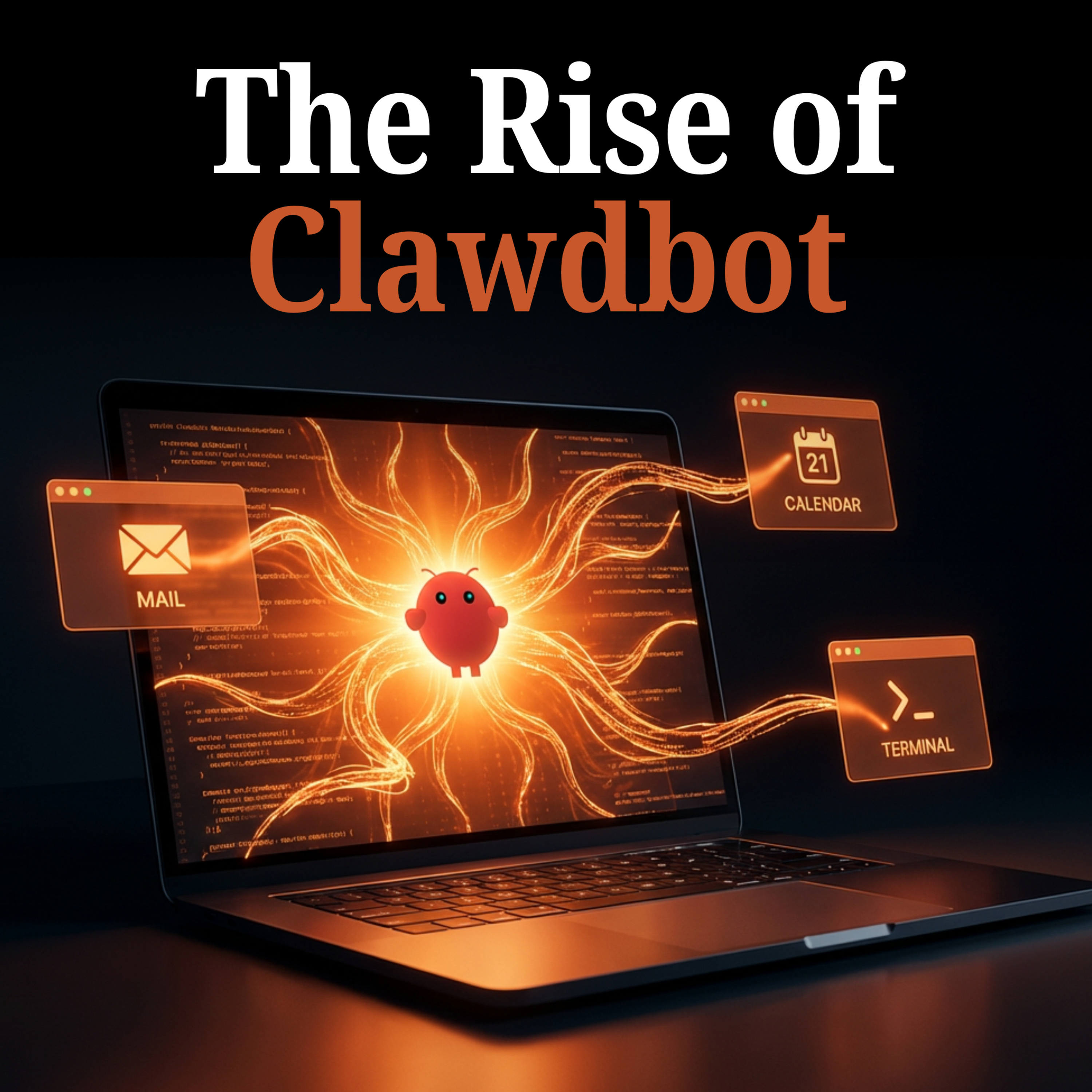
Instead of building monolithic agents, create modular sub-workflows that function as reusable 'tools' (e.g., an 'image-to-video' tool). These can be plugged into any number of different agents. This software engineering principle of modularity dramatically speeds up development and increases scalability across your automation ecosystem.
By running on a local machine, Clawdbot allows users to own their data and interaction history. This creates an 'open garden' where they can swap out the underlying AI model (e.g., from Claude to a local one) without losing context or control.
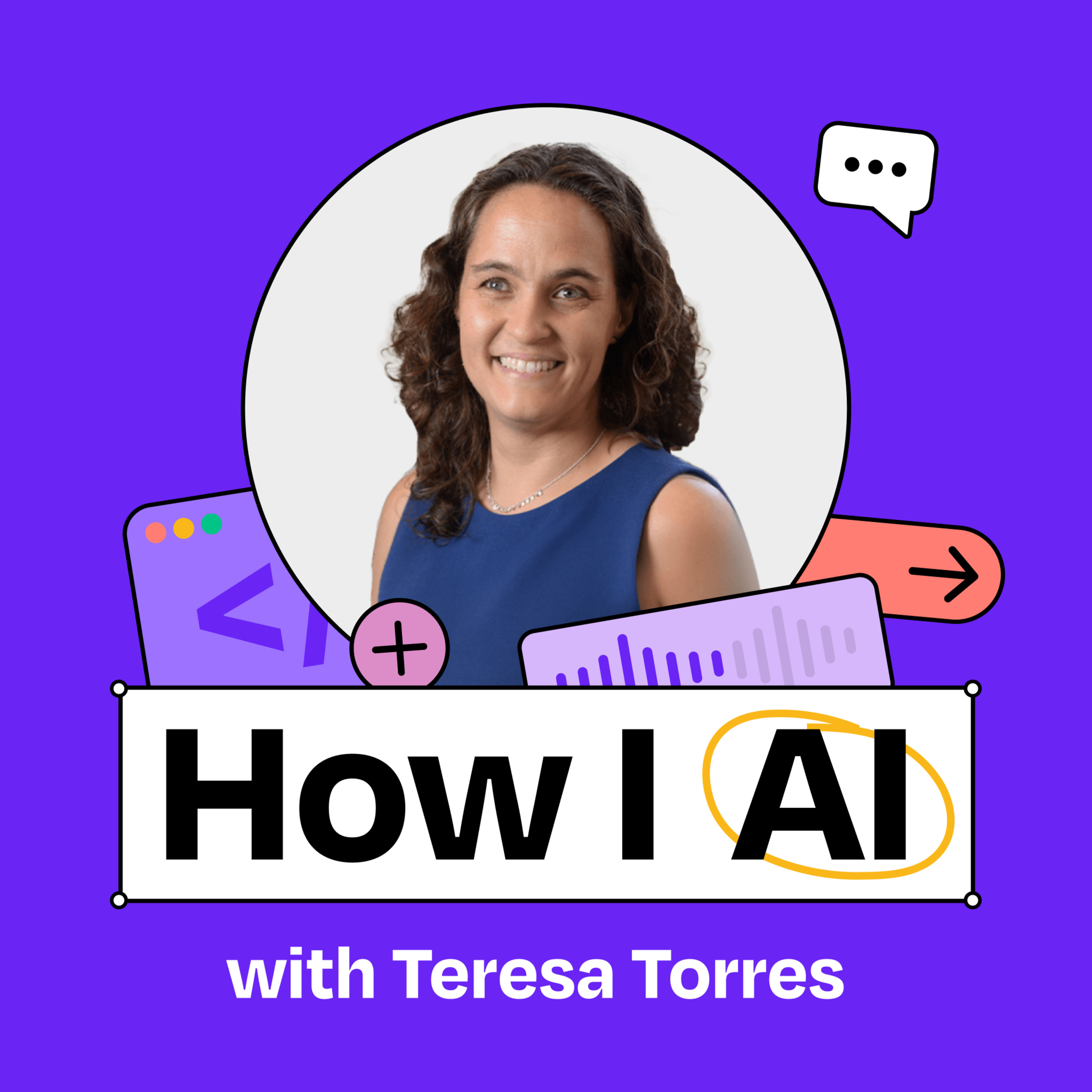
To gain data ownership and enable AI automation, Teresa Torres built a personalized task manager using Claude Code and local Markdown files. This allows her to prompt the AI to directly see and execute items from her to-do list, a capability not possible with third-party tools like Trello.
Non-technical users are leveraging agents like Moltbot to build their own hyper-personalized software. By simply describing a problem in natural language, they can create internal tools that perfectly solve their needs, eliminating the need to subscribe to many single-purpose SaaS applications.