Get your free personalized podcast brief
We scan new podcasts and send you the top 5 insights daily.
Despite dreaming of self-driving cars for decades, the host found himself bored and checking his phone within minutes of his first ride. This reveals how quickly truly revolutionary technology can shift from a marvel to a background utility, losing its novelty upon proving its reliability.

Related Insights
Sci-fi predicted parades when AI passed the Turing test, but in reality, it happened with models like GPT-3.5 and the world barely noticed. This reveals humanity's incredible ability to quickly normalize profound technological leaps and simply move the goalposts for what feels revolutionary.

When investing in high-risk, long-development categories like autonomous vehicles, the key signal is undeniable consumer pull. Once Waymo became the preferred choice in San Francisco, it validated the investment thesis despite a decade of development and high costs.
![David George - Building a16z Growth, Investing Across the AI Stack, and Why Markets Misprice Growth - [Invest Like the Best, EP.450] thumbnail](https://megaphone.imgix.net/podcasts/8da7dbd8-ceeb-11f0-941c-ef83bcdd4c9f/image/d44107bc94719f78fbe91befb141073e.jpg?ixlib=rails-4.3.1&max-w=3000&max-h=3000&fit=crop&auto=format,compress)
After proving its robo-taxis are 90% safer than human drivers, Waymo is now making them more "confidently assertive" to better navigate real-world traffic. This counter-intuitive shift from passive safety to calculated aggression is a necessary step to improve efficiency and reduce delays, highlighting the trade-offs required for autonomous vehicle integration.

The initial experience of using a powerful AI tool is one of immense personal empowerment. This feeling is quickly tempered by the realization that this capability is now universally accessible, effectively devaluing the specialized skill and diluting the individual's competitive advantage.

History shows that transformative innovations like airlines, vaccines, and PCs, while beneficial to society, often fail to create sustained, concentrated shareholder value as they become commoditized. This suggests the massive valuations in AI may be misplaced, with the technology's benefits accruing more to users than investors in the long run.

Early self-driving cars were too cautious, becoming hazards on the road. By strictly adhering to the speed limit or being too polite at intersections, they disrupted traffic flow. Waymo learned its cars must drive assertively, even "aggressively," to safely integrate with human drivers.
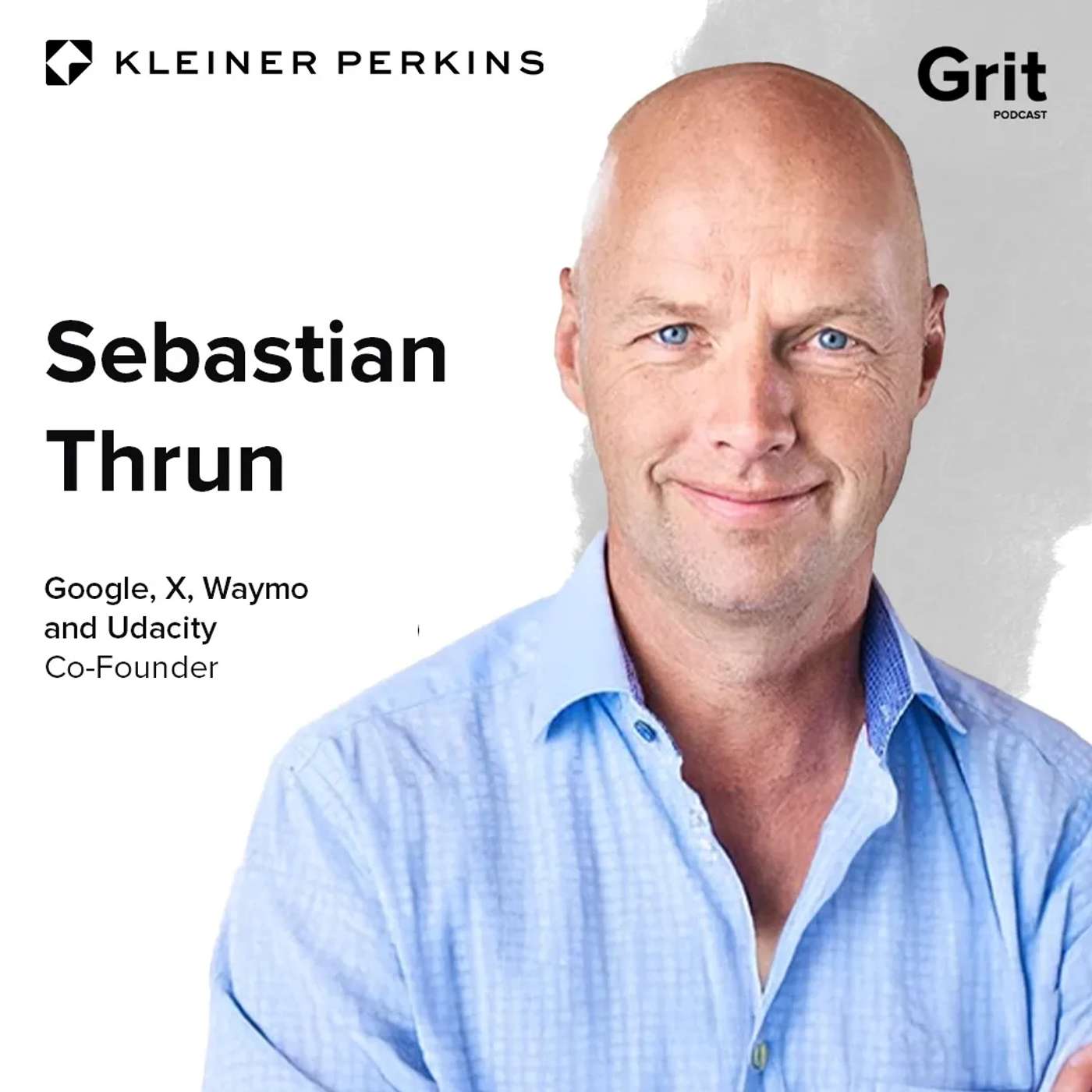
The convergence of autonomous, shared, and electric mobility will drive the marginal cost of travel towards zero, resembling a utility like electricity or water. This shift will fundamentally restructure the auto industry, making personal car ownership a "nostalgic privilege" rather than a daily necessity for most people.

The evolution of Tesla's Full Self-Driving offers a clear parallel for enterprise AI adoption. Initially, human oversight and frequent "disengagements" (interventions) will be necessary. As AI agents learn, the rate of disengagement will drop, signaling a shift from a co-pilot tool to a fully autonomous worker in specific professional domains.
Despite rapid software advances like deep learning, the deployment of self-driving cars was a 20-year process because it had to integrate with the mature automotive industry's supply chains, infrastructure, and business models. This serves as a reminder that AI's real-world impact is often constrained by the readiness of the sectors it aims to disrupt.

The lack of widespread outrage after a Waymo vehicle killed a beloved cat in tech-skeptical San Francisco is a telling sign. It suggests society is crossing an acceptance threshold for autonomous technology, implicitly acknowledging that while imperfect, the path to fewer accidents overall involves tolerating isolated, non-human incidents.