Get your free personalized podcast brief
We scan new podcasts and send you the top 5 insights daily.
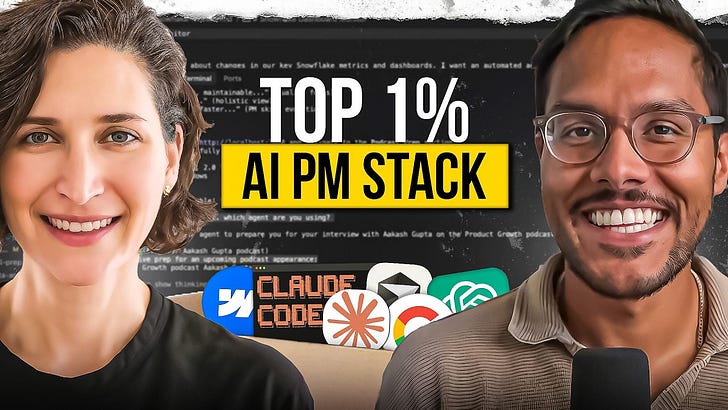
Companies can build authority and community by transparently sharing the specific third-party AI agents and tools they use for core operations. This "open source" approach to the operational stack serves as a high-value, practical playbook for others in the ecosystem, building trust.
Related Insights
Instead of hiring a 'Chief AI Officer' or an agency, the most successful GTM AI deployments empower existing top performers. Pair your best SDR, marketer, or RevOps person with AI tools, and let them learn and innovate together. This internal expertise is more valuable than any external consultant.
Moonshot AI overcomes customer skepticism in its AI recommendations by focusing on quantifiable outcomes. Instead of explaining the technology, they demonstrate value by showing clients the direct increase in revenue from the AI's optimizations. Tangible financial results become the ultimate trust-builder.

Instead of simply adding AI features, treat your AI as the product's most important user. Your unique data, content, and existing functionalities are "superpowers" that differentiate your AI from generic models, creating a durable competitive advantage. This leverages proprietary assets.

AI agent platforms are typically priced by usage, not seats, making initial costs low. Instead of a top-down mandate for one tool, leaders should encourage teams to expense and experiment with several options. The best solution for the team will emerge organically through use.

Enterprises struggle to get value from AI due to a lack of iterative, data-science expertise. The winning model for AI companies isn't just selling APIs, but embedding "forward deployment" teams of engineers and scientists to co-create solutions, closing the gap between prototype and production value.

Instead of a generalist AI, LinkedIn built a suite of specialized internal agents for tasks like trust reviews, growth analysis, and user research. These agents are trained on LinkedIn's unique historical data and playbooks, providing critiques and insights impossible for external tools.

The current trend toward closed, proprietary AI systems is a misguided and ultimately ineffective strategy. Ideas and talent circulate regardless of corporate walls. True, defensible innovation is fostered by openness and the rapid exchange of research, not by secrecy.

The true enterprise value of AI lies not in consuming third-party models, but in building internal capabilities to diffuse intelligence throughout the organization. This means creating proprietary "AI factories" rather than just using external tools and admiring others' success.
The choice between open and closed-source AI is not just technical but strategic. For startups, feeding proprietary data to a closed-source provider like OpenAI, which competes across many verticals, creates long-term risk. Open-source models offer "strategic autonomy" and prevent dependency on a potential future rival.
To transform a product organization, first provide universal access to AI tools. Second, support teams with training and 'builder days' led by internal champions. Finally, embed AI proficiency into career ladders to create lasting incentives and institutionalize the change.