Get your free personalized podcast brief
We scan new podcasts and send you the top 5 insights daily.
When NASDAQ mandated that all trades be entered manually via keyboard, Peterffy didn't argue. Instead, he built a mechanical spider with metal fingers to automatically type orders onto the keyboard, satisfying the letter of the absurd rule while preserving his automated system's efficiency.

Related Insights
Despite building Timber Hill into the world's largest options market maker, Tomas Peterffy shut it down. He pivoted to Interactive Brokers because the market-making game became an uninteresting speed contest, while the challenge of building the best trading platform for others remained compelling.
Despite offering modern browser interfaces, the company found that expert data entry clerks were significantly faster on old text-based "green screen" terminals. They could type without looking at the screen, using muscle memory for tabs and function keys, making the modern UI a downgrade in efficiency.

Basim Hamdi's initial "Construction Data Cloud" concept failed because the industry's 30-year-old legacy systems lacked APIs. This critical oversight forced a pivot to Robotic Process Automation (RPA) to extract data, which unexpectedly became the core of his successful business.

The narrative of "evil capitalists" replacing jobs with robots is misguided. Automation is a direct market response to relentless consumer demand for lower prices and faster service. We, the consumers, are ushering in the robotic future because we vote with our wallets for efficiency and cost-savings.
The next evolution of finance will break away from the traditional "portfolio and search box" interface. Instead, trading will be embedded directly into new contexts and "modalities." Examples include trading via Telegram bots, placing micro-bets on live sports via a TV interface, or interacting with prediction markets directly within a news article.

Peterffy saw Wall Street's manual, intuition-based systems as nonsensical. This outsider's perspective, viewing the industry as an illogical 'Wonderland,' allowed him to identify and exploit massive inefficiencies with technology and math, even when others thought his ideas were crazy.
Backed by top tech leaders, the startup Mechanize operates on the thesis that fully automating all jobs is a technologically determined and desirable future. Their public goal is to accelerate this 'inevitable' outcome, revealing a deliberate and well-funded movement to replace human labor entirely, not just augment it.
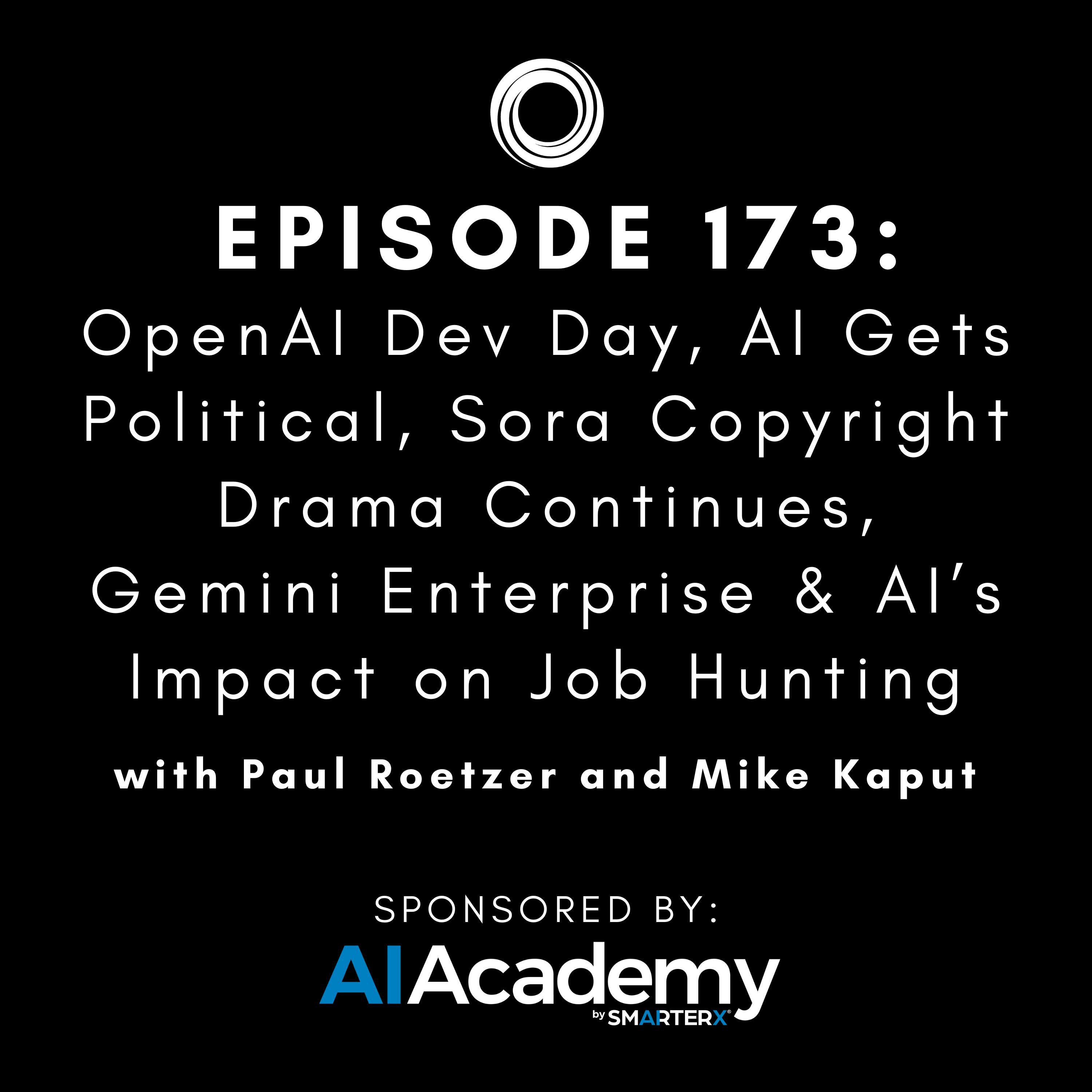
The idea of a solo founder running a billion-dollar company is more a marketing gimmick than a future reality. While technologically feasible with AI, individuals won't want to handle all the associated operational burdens like bookkeeping and taxes. The logical endpoint of AI automation isn't a one-person company, but a zero-person, fully automated business.
Film producer Aaron Russo bet Tomas Peterffy $10,000 that filmmaker Melvin Van Peebles couldn't last a year as a trader. Van Peebles succeeded, and Russo, inspired by the experience of a novice thriving in finance, produced the movie "Trading Places" a year later, based on the premise.
Owning nearly 100% of his cash-flow-positive company, Tomas Peterffy took Interactive Brokers public purely for advertising purposes. He viewed the IPO as a way to get "the company's name in the public domain" and even used a Dutch auction to save $80 million on banking fees.