Get your free personalized podcast brief
We scan new podcasts and send you the top 5 insights daily.
Investor Byron Deeter's story of finishing his startup with 13 cavities from living on power bars illustrates why 'grind culture' is a liability. This vivid example underscores the shift away from lionizing self-sacrifice toward promoting sustainable founder wellness as a business necessity.

Related Insights
Conventional wisdom that early-stage startups must "grind" is flawed. The primary constraint is a lack of unique insight to find product-market fit, not a lack of hours worked. A relentless "996" culture can be counterproductive, as it leaves no room for the deep thinking and creativity needed for breakthrough ideas.

The primary threat to a bootstrapped company is not external competition but internal struggle. Burnout, self-doubt, and loss of motivation kill more startups than any market force. Protecting your mental health is a critical business function, not a luxury.

Hustle culture falsely equates exhaustion with progress. In reality, a founder's ability to regulate their nervous system through intentional rest is their most important asset. It's the foundation of creativity and long-term sustainability. Entrepreneurs with strong boundaries will outlast those who run on adrenaline and caffeine.

Founders often equate constant hustle with progress, saying yes to every opportunity. This leads to burnout. The critical mindset shift is recognizing that every professional "yes" is an implicit "no" to personal life. True success can mean choosing less income to regain time, a decision that can change a business's trajectory.
The startup world is an insular, high-pressure echo chamber. A powerful way to maintain mental health is to regularly connect with people completely outside of it, like family. These conversations ground founders, contextualize startup crises, and provide a source of energy rooted in a bigger purpose.

Lyft's John Zimmer reflects that during intense growth periods, taking time for sleep and exercise felt selfish. He later learned that failing to prioritize his well-being actively hindered his ability to effectively lead and serve his team, customers, and investors.

Backroads' first partner left after two and a half years, realizing the venture was immense work for little pay. Tom Hale's willingness to embrace the "24/7 forever" grind, while his partner saw the hardship, highlights that founder perseverance and tolerance for delayed gratification is a critical, non-negotiable trait.
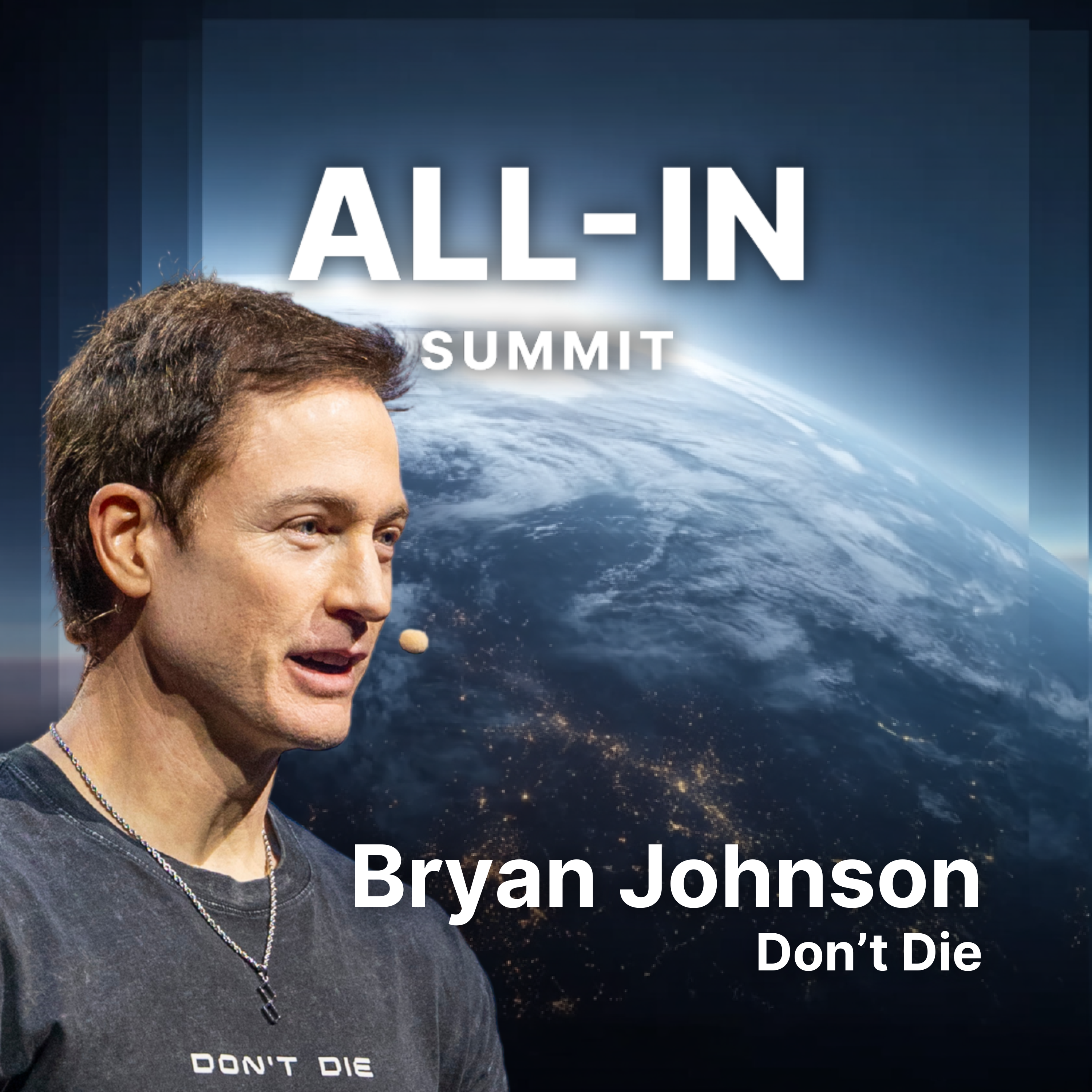
Biohacker Bryan Johnson directly challenges the "grind culture" belief that founders must sacrifice health and sleep for success. He argues this is a false narrative, stating that prioritizing high-quality sleep will make an individual a more effective leader, parent, and partner.
The founders of Angie's Boom Chicka Pop reflect on their intense "20-hour a day" work ethic, admitting it was unsustainable and harmful. They advise founders to intentionally prioritize personal well-being with small changes, like phone-free dinners, to avoid long-term physical and emotional damage.
Entrepreneurs cannot out-grind their own physiology. Poor health leads to chasing blood sugar spikes, fatigue, and brain fog, which directly limits business capacity and decision-making quality. Prioritizing health is not a luxury; it is the fundamental architecture of sustainable success.
