Get your free personalized podcast brief
We scan new podcasts and send you the top 5 insights daily.
Backroads' first partner left after two and a half years, realizing the venture was immense work for little pay. Tom Hale's willingness to embrace the "24/7 forever" grind, while his partner saw the hardship, highlights that founder perseverance and tolerance for delayed gratification is a critical, non-negotiable trait.

Related Insights
Unlike many founders who test ideas while employed, Hale fully committed by quitting his job immediately. This forced him to "make something out of this" and removed the safety net, creating immense pressure to succeed from day one and ensuring his full focus was on the venture.
Every successful founder journey includes a point where quitting is the most rational decision. Spencer Skates argues the only way to persevere is to anchor to a deeply held intrinsic motivation or a "mission that's greater than yourself." External motivators like money or recognition are insufficient to overcome this existential pain.
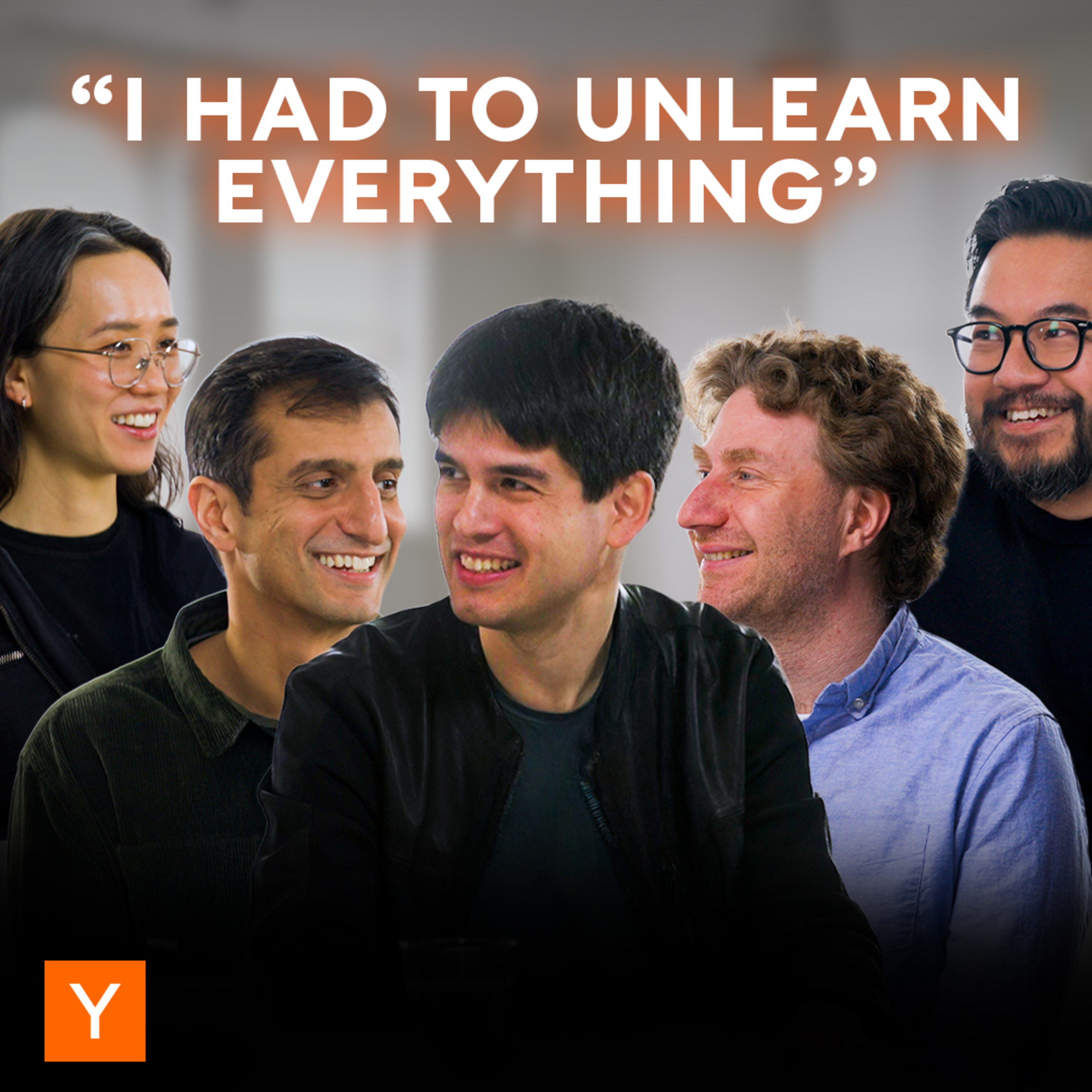
While 8% of founders pay themselves nothing to maximize reinvestment for a future exit, this strategy is often regretted. Even among founders who achieved a multi-million dollar exit, many later wished they had paid themselves at least a small salary to improve their quality of life during the building phase.

Founders must accept a lifestyle that excludes most social activities. The intense, shared mission of building a company fosters deep connections with colleagues that supplant traditional friendships. This sacrifice is a prerequisite for high-commitment entrepreneurship.
Founder Nima Jalali describes the first five years as an all-consuming period with no work-life boundaries. He frames this intense sprint not as a sustainable strategy, but as a necessary, finite phase to build a foundation that later allows for hiring a team and establishing balance.

Founders often equate constant hustle with progress, saying yes to every opportunity. This leads to burnout. The critical mindset shift is recognizing that every professional "yes" is an implicit "no" to personal life. True success can mean choosing less income to regain time, a decision that can change a business's trajectory.

Instead of optimizing for a quick win, founders should be "greedy" and select a problem so compelling they can envision working on it for 10-20 years. This long-term alignment is critical for avoiding the burnout and cynicism that comes from building a business you're not passionate about. The problem itself must be the primary source of motivation.

While assessed during diligence, the true caliber of a founder—their passion, authenticity, and ability to "run through walls"—becomes starkly clear after the deal closes. This distinction is not subtle; the impact of a truly exceptional founder versus an average one is immediately evident in the business's trajectory.

The founders credit their successful partnership to an equal commitment to hard work. By dividing responsibilities and working independently before collaborating ('divide and conquer'), they ensure an even playing field and avoid the common pitfalls of co-founder burnout or resentment that often ruin business friendships.

A rising tide lifts all boats. The true test of a founder partnership emerges during downturns. Diligence should focus on teasing out traits like adaptability, humility, and accountability, which predict how a founder will react when plans inevitably go awry.
