Get your free personalized podcast brief
We scan new podcasts and send you the top 5 insights daily.
Top-performing CEOs, particularly in home services, see themselves running a lead generation machine, not just a roofing or window company. This systems-first mindset creates a data-driven engine applicable across verticals, unlocking significant expansion opportunities and creating a more valuable, scalable business.

Related Insights
With engineer CEOs leading 9 of the top 10 global companies, the C-suite increasingly values analytical rigor. Marketers must evolve beyond gut-feel by embracing a hypothesis-driven, systems-thinking approach. This not only improves decision-making but also enhances communication and credibility with analytically-minded leadership.

Businesses should focus on creating repeatable, scalable systems for daily operations rather than fixating on lagging indicators like closed deals. By refining the process—how you qualify leads, run meetings, and follow up—you build predictability and rely on strong habits, not just individual 'heroes'.
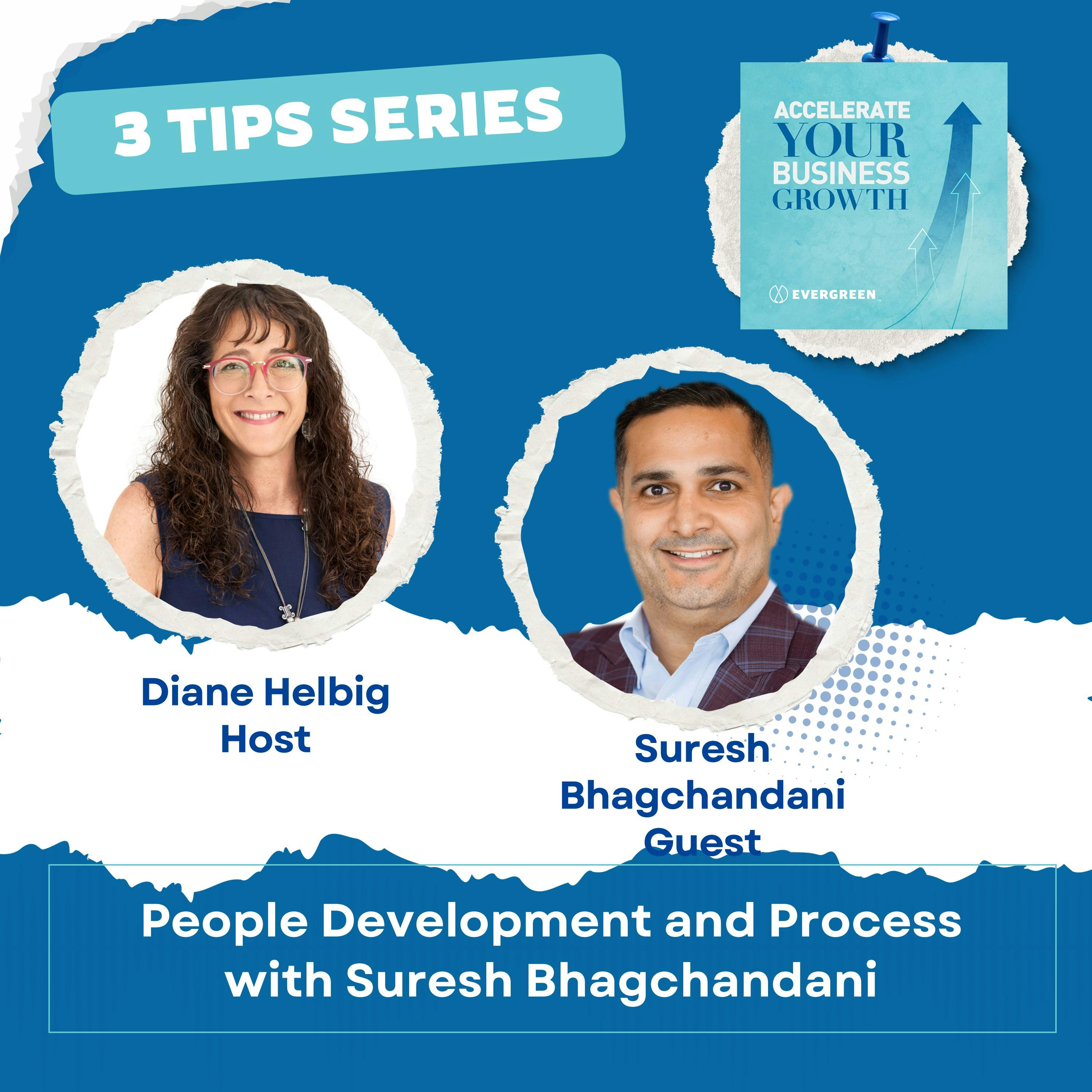
True sales leadership extends beyond managing a team's pipeline. It requires understanding how marketing, solutions, and service interconnect to deliver customer value. This holistic business acumen is essential for strategic success but is rarely taught.
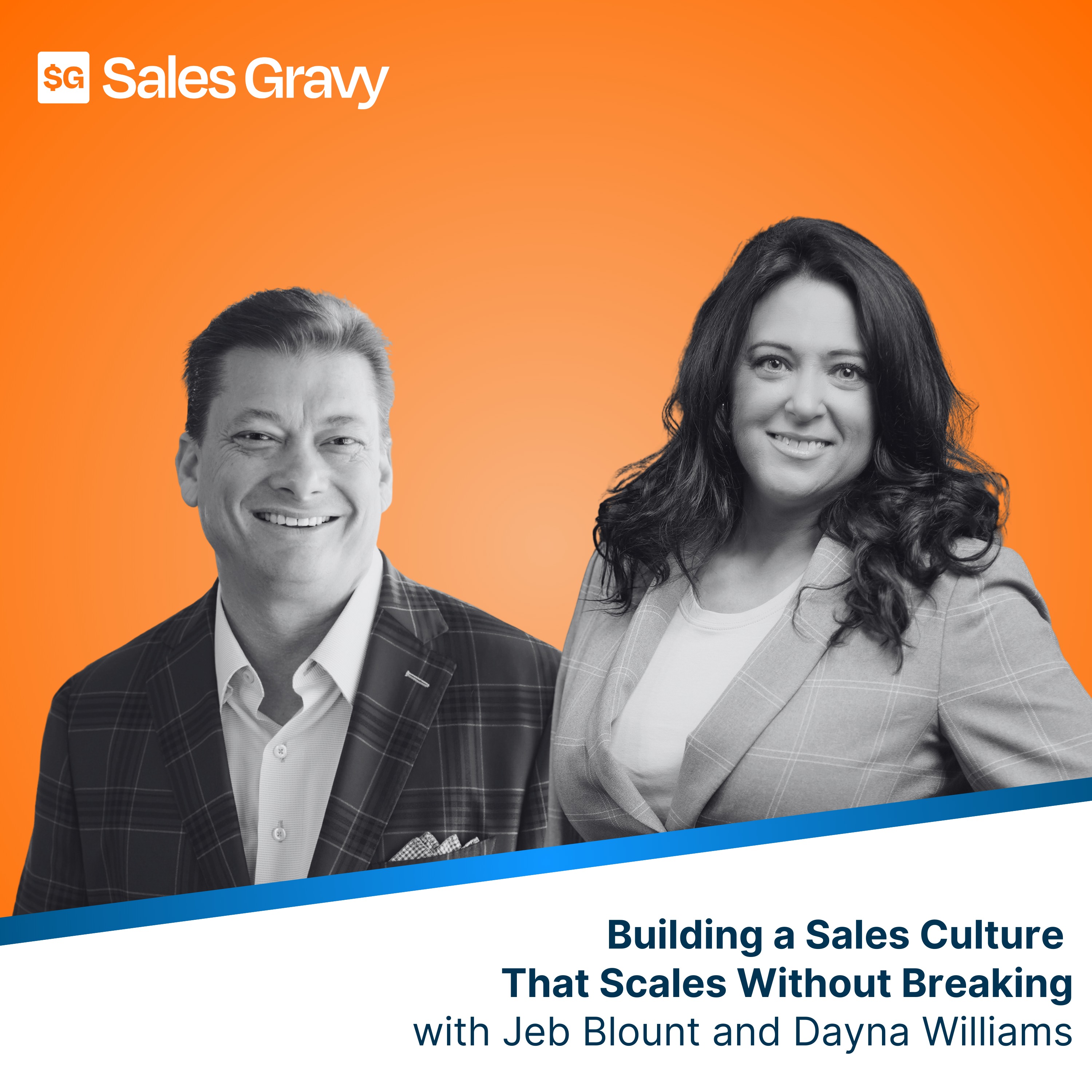
Business model innovation is a third, often-overlooked pillar of success alongside product and go-to-market. A novel business model can unlock better unit economics, align incentives with customers, and dictate the entire product and operational strategy.

The structured, data-driven engineering design process—from problem identification and data collection to solution design and testing—is directly applicable to defining business strategy, achieving goals, and even managing people effectively.

Top-tier results are achieved when growth is an organizational mandate, not a departmental function. This "all-in" mentality turns every employee interaction, like a lawyer at a backyard cookout, into a potential lead-generation opportunity.

An engineering background provides strong first-principles thinking for a CEO. However, to effectively scale a company, engineer founders must elevate their identity to become a specialist in all business functions—sales, policy, recruiting—not just product.

An engineering background in systems and processes is a powerful asset for business management. By creating efficient, systems-oriented workflows, you can manage a significantly larger asset base or customer load with a smaller team. The speaker manages $250M in assets with just two employees, while peers require four to seven.

Top CROs evolve from focusing on hitting revenue targets to architecting the underlying systems for recruiting, enablement, and sales process. Revenue becomes a predictable output of this well-oiled machine, rather than the primary focus of their day-to-day management.

The debate between being "product-led" or "sales-led" is outdated. Truly aligned companies are "opportunity-led," focusing all functions on the best chances to solve customer problems and drive business growth, regardless of where the idea originates.
