Get your free personalized podcast brief
We scan new podcasts and send you the top 5 insights daily.
The dynamic has flipped. Previously, CEOs engaging with short sellers was a red flag for institutional investors. Now, particularly with retail-heavy stocks, management teams are cheered on for using 'lawfare' and social media to attack critics, changing the risk calculus for activists.

Related Insights
Despite its theoretical role as a market check, short selling is often a tool to create chaos and innuendo for profit. Activist short-sellers release reports to move markets for their own gain, which rarely uncovers true malfeasance and is an extremely difficult way to consistently make money. It's more about creating narratives than finding fraud.
Melvin Capital went from a top hedge fund to down 50% in two weeks because they underestimated the collective power of retail investors on platforms like Reddit. This event introduced a new, unpredictable risk factor into institutional investing, driven by online community sentiment.

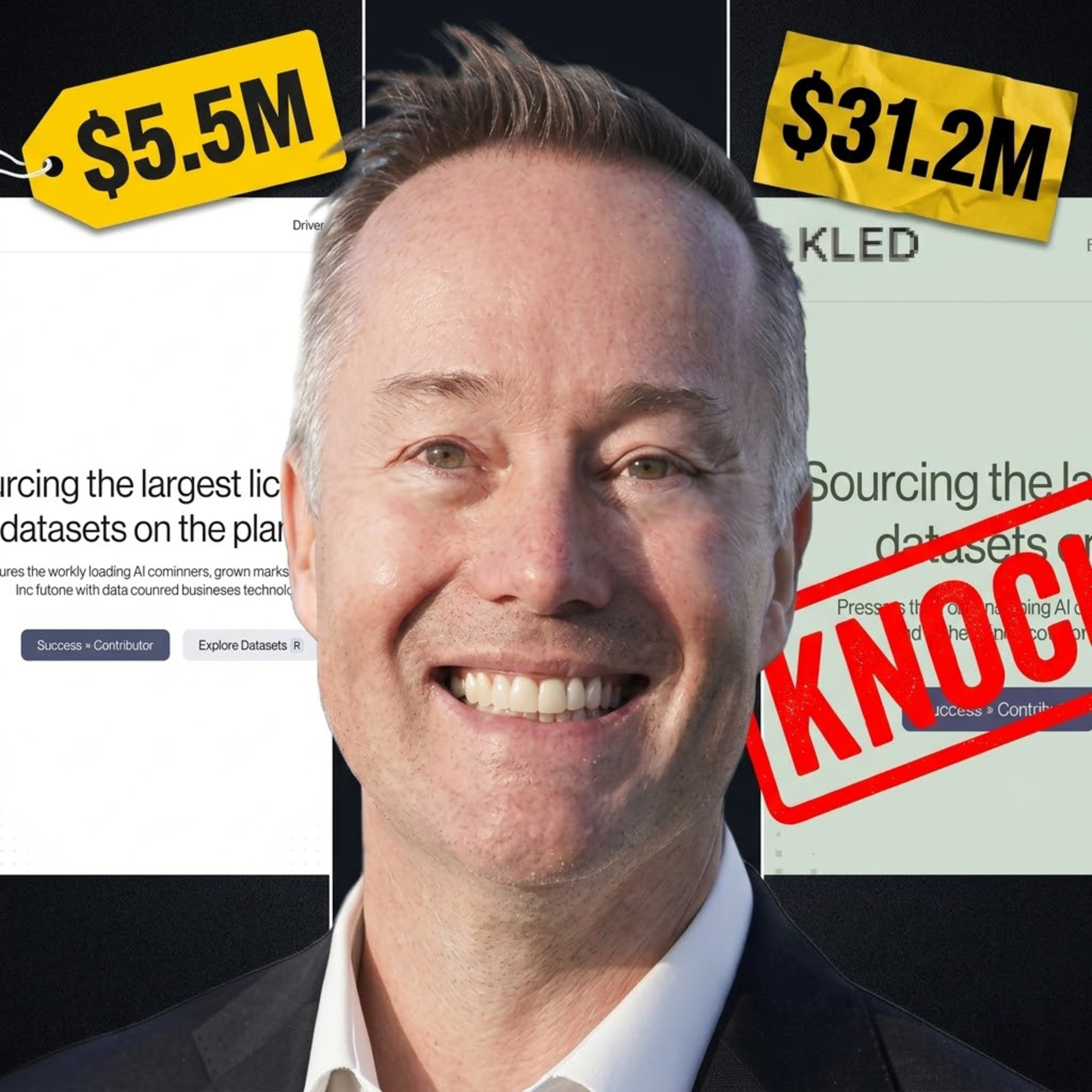
When Kled's founder publicly called out a competitor and their VC, his investors' initial reaction was fear, telling him to take the post down. However, after seeing the public support, they quickly reversed course and backed his aggressive stance.
Speaking out on controversial issues isn't just a moral stance; it's a business strategy. It deters short-term, profit-driven shareholders a leader doesn't want, while attracting long-term investors who value transparency and a sustainable vision. This reframes risk into a filtering mechanism.

Ryan Cohen's activist campaign wasn't initially planned. GameStop's own CEO reached out, offering Cohen a board seat to help fend off another activist. This friendly outreach backfired, putting the idea of a larger role and eventual takeover into Cohen's head, ultimately leading to his activist campaign.

To convince long-term holders, short-sellers must present their findings not as proof of the investor's poor judgment, but as the unveiling of deliberately concealed information. The goal is to avoid triggering defensiveness, framing it as "these guys have been hiding the ball from you."

Carson Block believes the ultimate moat in activist short selling isn't just analytical skill, which AI might commoditize. The real, durable edge is a high tolerance for being sued. This personal and financial risk appetite acts as a significant barrier to entry, preventing the space from being flooded with competitors.

Public companies are policed by the FTC (which requires proof), Wall Street short-sellers, and now online influencers. The latter two can significantly damage a stock and sales with unproven allegations, creating a new, highly volatile reputational risk that spreads rapidly on social media.

Block laments that markets now reward management for presenting a positive narrative, even if it's misleading. Investors no longer value assessing the risk of being misled. Paradoxically, this culture allows egregious behaviors once confined to micro-caps to appear in larger companies, expanding the target list for short-sellers.
Zayo CEO Dan Caruso learned that activist investors often create value for themselves, not shareholders, by manufacturing stock volatility. They can create negative sentiment, buy low, then reverse their stance to sell high, profiting from the swings.
