Get your free personalized podcast brief
We scan new podcasts and send you the top 5 insights daily.
To attract mission-driven talent, Tesla fostered a culture where roles were fluid and everyone contributed directly. During the Model 3 production crisis, project managers physically worked on the assembly line. This hands-on, no-barriers approach gives employees a powerful sense of ownership and impact.

Related Insights
Elon Musk's management playbook is built on a few core principles: only engineers truly matter, the CEO must violate the chain of command to talk directly to line engineers, and the CEO's job is to parachute in weekly to fix the single biggest bottleneck by working alongside them.
True agency is demonstrated by employees who operate beyond their job description to effect change. They don't wait for permission. Examples include a designer becoming the top recruiter or a PM learning to code prototypes to better communicate their vision.
Base fosters a "chop wood, carry water" culture where leaders are still individual contributors. The founding team set this tone by writing the first code and installing the first batteries themselves. This ensures a hands-on, problem-solving mindset permeates the company as it scales.

Base Power's culture of execution was set by its first ~10 hires—senior leaders from Tesla and SpaceX who initially worked as individual contributors. This "lead from the front" model, where leaders still do IC work, cascaded through the company as it scaled to 250 people.

Even before AI, Linear moved away from the "software factory" model where PMs decide, designers draw, and engineers code. They empower the builders (designers and engineers) to make critical decisions during execution. This prevents bad ideas from being implemented just because they were "approved" and improves overall product quality.
To prevent management from becoming a detached layer, Arista ensures its leaders are "coach players." This means even senior executives, like the CTO and founder, still contribute by coding. This "leading by example" approach proves to employees that management is connected to the core work, reinforcing a strong, authentic engineering culture.

Instead of hiring more PMs to manage faster engineering cycles, Anthropic focuses on hiring engineers with strong product taste who can ship end-to-end. This reduces overhead and blurs traditional roles, as most PMs and designers also have engineering backgrounds.
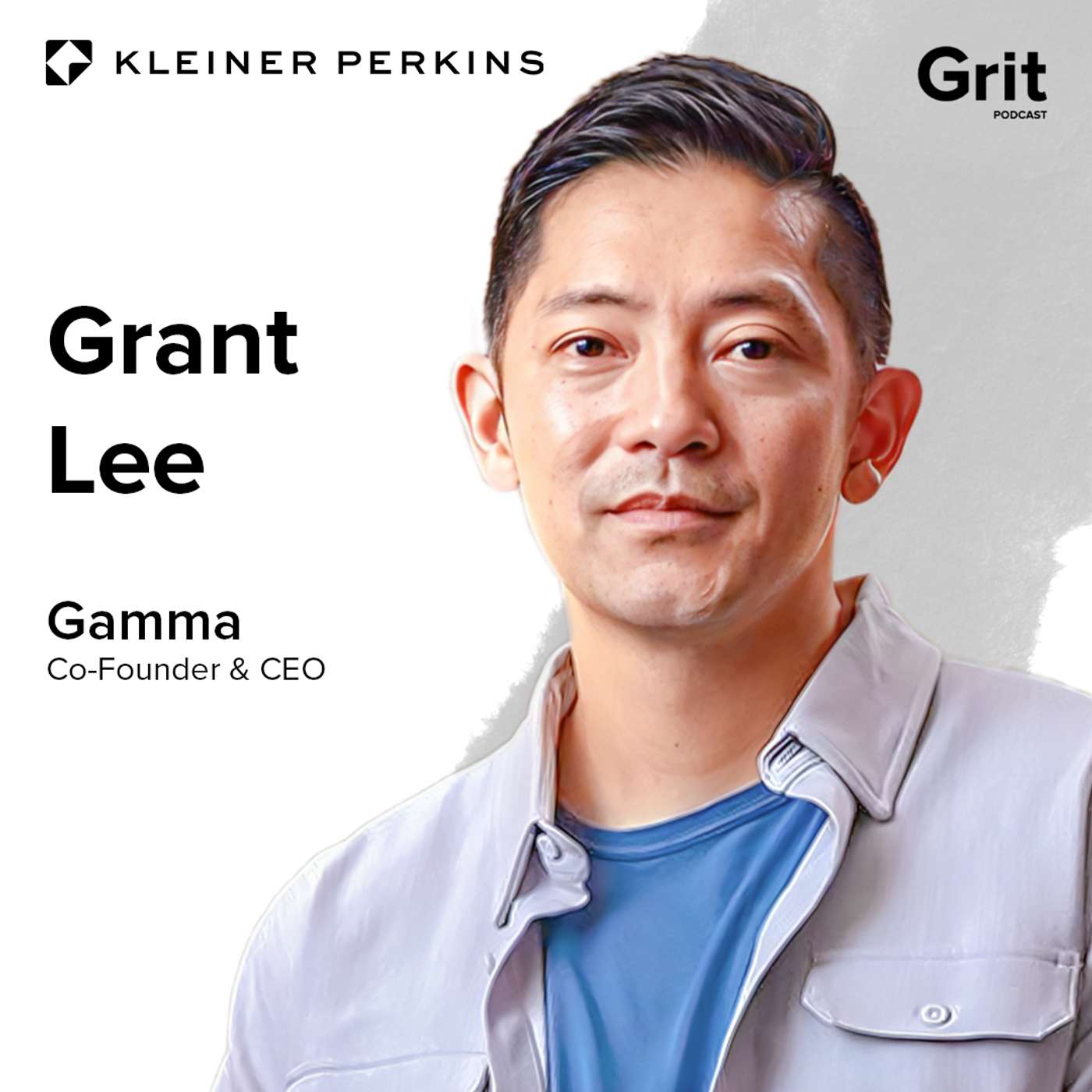
Instead of traditional managers, Gamma hires "player-coaches"—leaders who actively contribute to the work, like shipping code, while also mentoring their team. This model maintains a flat structure, keeps leadership grounded, and works best in a lean organization.
Musk's approach is radical de-layering. He avoids the 'compounding lies' of middle management by going to the source of truth: the engineers. He identifies the week's biggest bottleneck and works directly with the relevant engineer to solve it, creating unparalleled problem-solving velocity.

The traditional "assembly line" model of product development (PM -> Design -> Eng) fails with AI. Instead, teams must operate like a "jazz band," where roles are fluid, members "riff" off each other's work, and territorialism is a failure mode. PMs might code and designers might write specs.
