Get your free personalized podcast brief
We scan new podcasts and send you the top 5 insights daily.
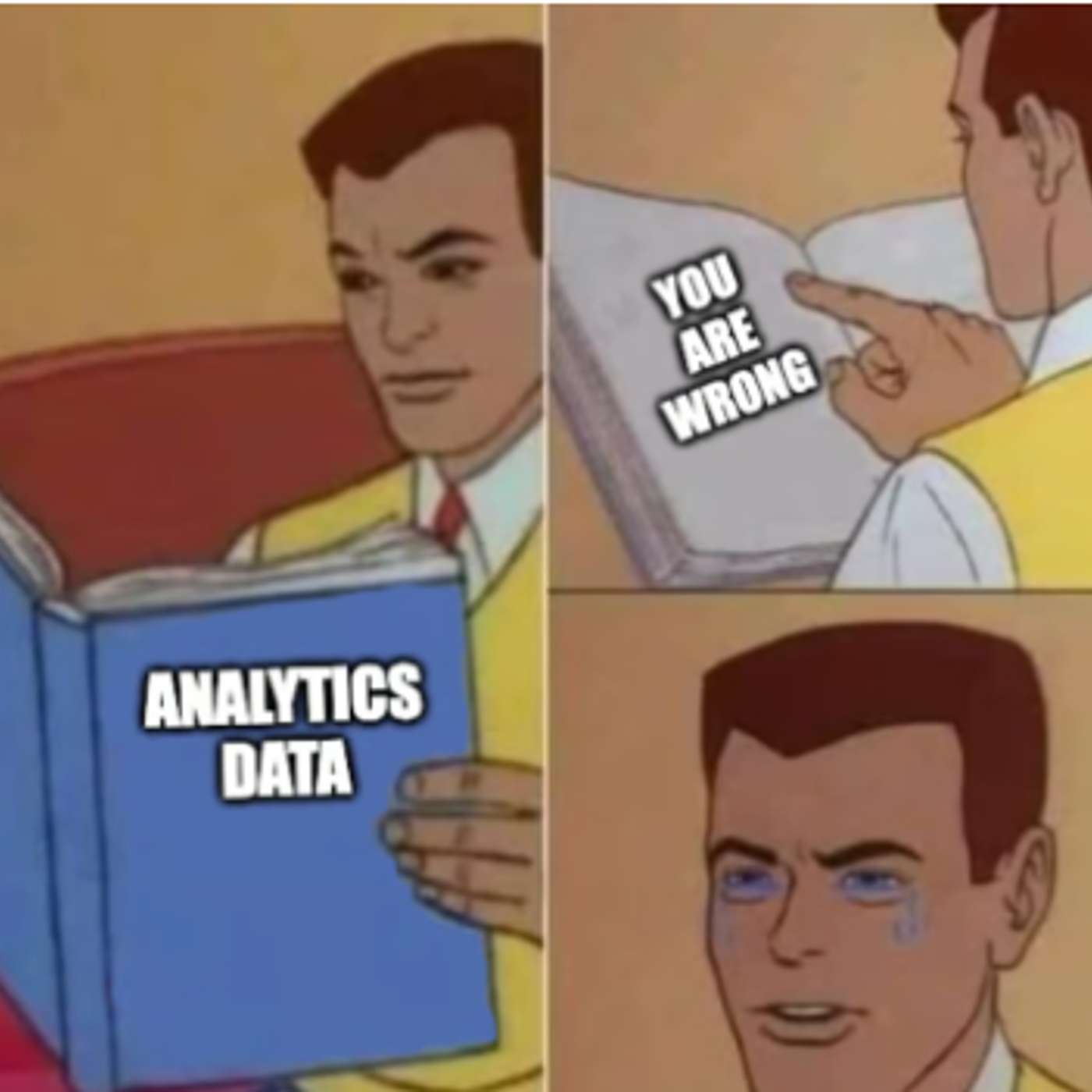
The most valuable application of AI for social teams is not generating content, which audiences are pushing back against. Instead, use AI to fill the common "analytics expert" gap by parsing data and identifying performance patterns.

Related Insights
The true power of AI in marketing is not generating more content, but improving its quality and effectiveness. Marketers should focus on using AI—trained on their own historical performance data—to create content that better persuades consumers and builds the brand, rather than simply adding to the noise.
Brand and communications teams can bridge their data skills gap by using AI. By uploading performance reports to tools like ChatGPT, they can ask for analysis, identify trends, and learn to think like data-driven marketers, boosting their confidence and strategic input.

Most people use AI to perform tasks like writing copy. A more powerful application is using it as a strategic brainstorming partner. Ask it high-level questions about cultural trends and consumer behavior (e.g., 'Why did this artist pop?') to generate novel insights for your strategy.

The primary role of AI in marketing isn't to replace creative work but to automate the complex process of understanding customer behavior. AI systems continuously analyze data to answer critical questions about conversion, value, and budget waste, freeing up humans for strategic tasks.
The true power of AI in content isn't generating text, which creates generic content. Instead, use AI as a research partner to analyze existing narratives, identify saturated topics, and generate unique, counter-intuitive angles. This shifts AI's role from a writer to a strategist, ensuring your content is differentiated from the start.

AI excels at operational tasks and scaling processes. However, front-facing content should remain human-led. The coming flood of mediocre AI-generated content will make authentic, human-first material stand out and command a premium, as people can easily detect inauthentic content.

Move beyond simple competitor tracking. Task an AI to analyze content from others in your niche not only to identify top-performing posts but, more strategically, to find topics and formats they are overlooking. This allows you to fill a market need and differentiate your content.

There's a critical distinction in using AI for marketing. Leveraging it to research communities and topics is a powerful efficiency gain. However, outsourcing the final act of content creation and communication to an autonomous agent sacrifices authenticity and is a critical mistake.
The most valuable use of AI in content isn't generating generic copy. Instead, use it for high-leverage tasks like synthesizing long-form video into clips, analyzing performance data, and as a pre-publication check to flag potential misinterpretations or insensitive timing.
Don't fear AI creating "slop" content. Algorithms reward resonance, not just volume. Skilled strategists can use AI to scale their unique ideas, while mediocre AI-generated content will simply fail to perform, just as human-created "slop" did before.