Get your free personalized podcast brief
We scan new podcasts and send you the top 5 insights daily.
As DoorDash's robotics program matures, the primary challenge has shifted. Five years ago, the focus was on making autonomy possible. Today, the harder problems are scaling operations (fleet management, maintenance) and manufacturing reliable hardware at scale.

Related Insights
DoorDash found robotics startups often build tech in a vacuum, then seek a problem. To succeed, DoorDash reversed this: they defined their specific delivery use case (3-5 mile suburban routes) and then designed a custom robot, avoiding the common "technology-first" trap.
Creating the Dot delivery robot wasn't just a hardware challenge. DoorDash had to build the vehicle hardware, a custom L4 autonomy software stack, integrate them, and then plug the entire system into its complex logistics and merchant platform—a multi-year, first-principles effort.

While tech companies focus on AV software, Lyft has a crucial operational advantage with its FlexDrive subsidiary. Having already managed a 10,000-car fleet for human drivers, Lyft possesses the real-world experience in maintenance, cleaning, and logistics needed to manage future professional AV fleets at scale.

The seamless experience of an autonomous vehicle hides a complex backend. A subsidiary company, FlexDrive, manages a fleet for services like cleaning, charging, maintenance, and teleoperation. This "fleet management" layer represents a significant, often overlooked, part of the AV value chain and business model.

The true value of autonomy is not just making one truck self-driving, but creating system-level intelligence where a heterogeneous mix of machines in a port or mine can communicate and optimize operations collectively. This unlocks efficiency gains far beyond single-agent automation.

DoorDash's recruiting pitch for top AI and robotics talent isn't about research prestige, but the opportunity to ship. Many experienced engineers are frustrated with working on demos for years and are drawn to the chance to deploy their work at scale in the physical world.
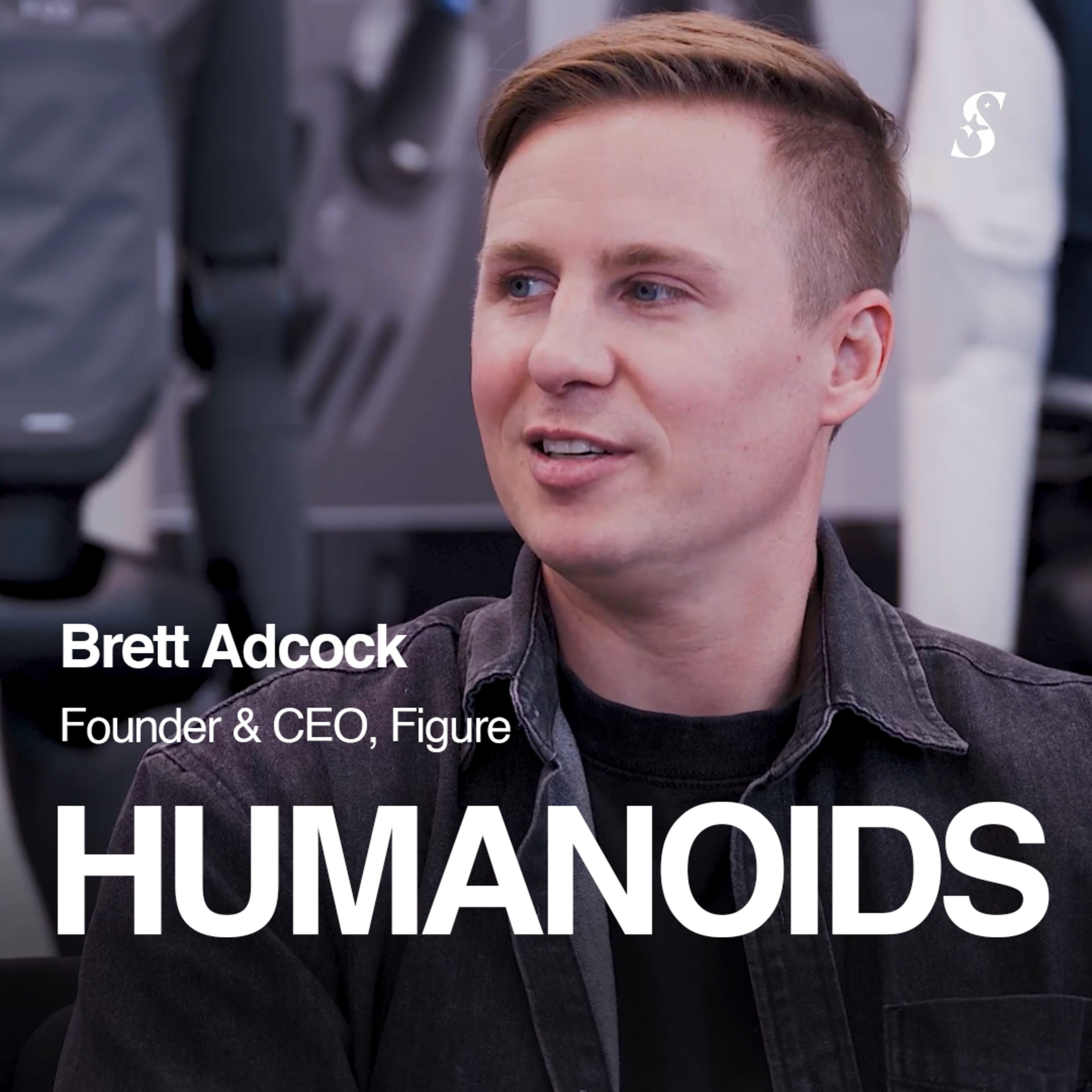
CEO Brett Adcock states Figure has 'overwhelming' commercial demand. The real constraint on growth is ensuring robots can operate reliably at human-level performance. They intentionally limit deployments to avoid a '1,000 robots, 1,000 problems' scenario, prioritizing AI and hardware reliability over rapid sales.
Contrary to common belief, DoorDash anticipates needing more human Dashers in the next decade. They believe robotics will lower delivery costs, creating a surge in demand that outpaces the growth of their autonomous fleet, necessitating a larger human workforce.
Wave's CEO asserts that the core scientific challenges of self-driving are solved. The remaining hurdles are engineering execution, product integration, and economic scaling. This marks a maturation point where the problem moves from a question of 'if' to 'how'—a predictable, albeit difficult, path of scaling data, compute, and validation.

The true test for scaling robotics isn't the core autonomy but handling mundane, real-world edge cases. DoorDash encountered issues like leaves affecting wheel torque, dirt on camera sensors, and slow boot-up scripts becoming massive productivity sinks when managing a fleet at scale.