Get your free personalized podcast brief
We scan new podcasts and send you the top 5 insights daily.
When the market values your company near zero, it removes the pressure of expectations. This creates a sense of relief and a "nothing to lose" mindset, allowing leadership to take aggressive, high-stakes bets on the future without fear of marginal stock declines.

Related Insights
Silicon Valley's default response to crazy ideas is curiosity, not cynicism, which fosters greater ambition. Crucially, the culture values the experience gained from failure. A founder who raised and lost $50 million is still seen as a valuable bet by investors, a dynamic not found in other ecosystems.
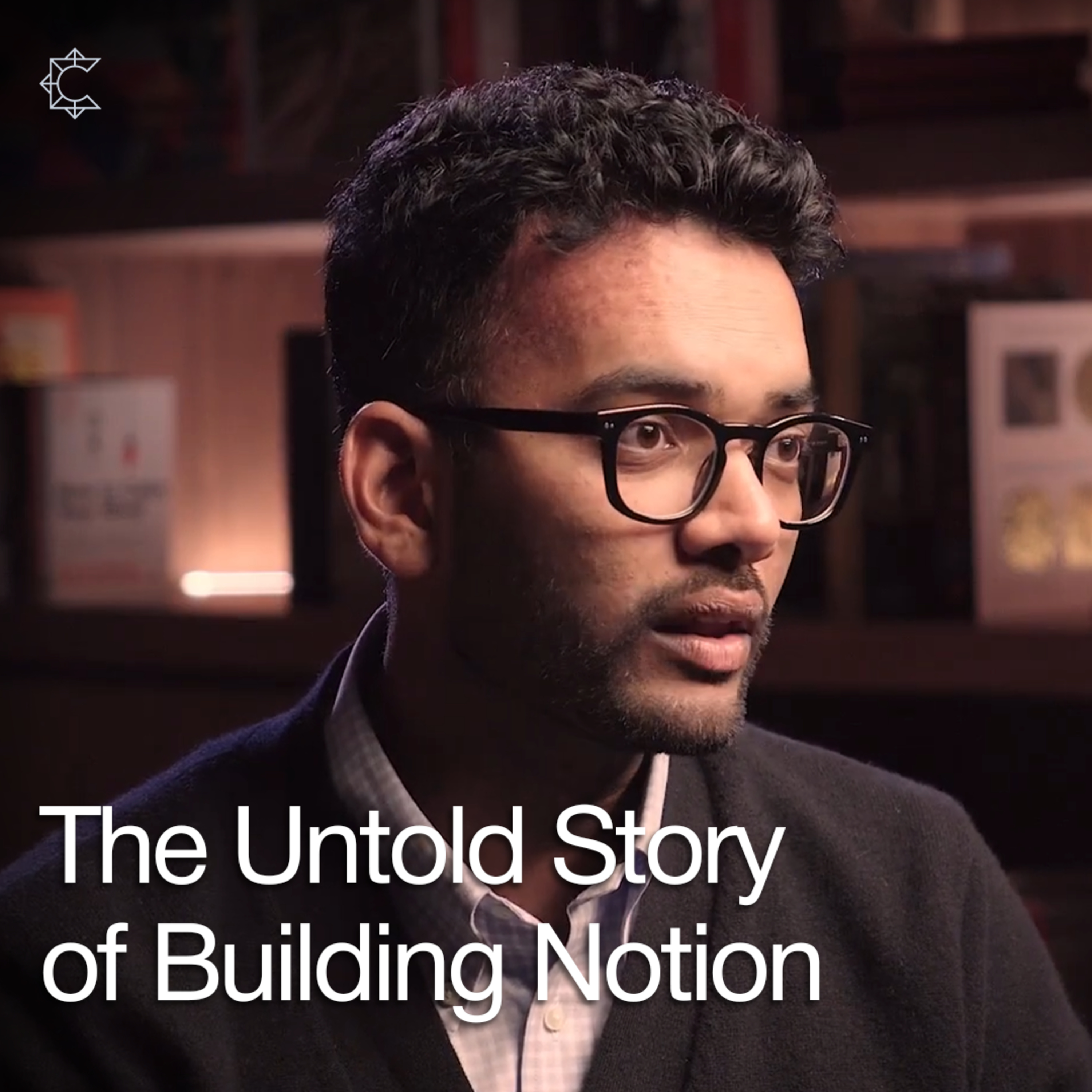
Early ventures that failed weren't seen as setbacks but as low-cost learning opportunities. This perspective, framed by his grandfather's high-risk business, eliminated fear and built foundational skills with minimal downside, making eventual success more likely.

True fearlessness comes from not being scared of hitting rock bottom. By mentally embracing the idea of losing everything and having to rebuild from scratch, you detach from the fear of failure. This mindset allows for aggressive, offense-oriented risk-taking while others are playing defense.

A founder must simultaneously project unwavering confidence to rally teams and investors, while privately remaining open to any evidence that they are completely wrong. This conflicting mindset is essential for navigating the uncertainty of building a startup.

The founder consciously avoided raising at a high valuation, not just to prevent a future down round, but because he saw it as a source of immense psychological pressure. He felt this pressure would distract from solving hard, long-term problems, preferring a shorter runway to the mental burden of an inflated valuation.

Ariel Cohen acknowledges employee morale is 100% correlated with the stock price. He sees his role as a counter-force, continuously focusing the team on strong internal metrics and the 2-to-10-year journey, conditioning them to treat daily market fluctuations as irrelevant noise to the real business performance.

Believing there's a way to multiply a company's value, like a hacker seeking a vulnerability, can be a self-fulfilling prophecy. This mindset forces you to relentlessly identify and solve the highest-leverage problems, leading to an outsized impact.

Behind every massive success story is a moment where the company nearly failed completely—a 'multiply by zero' event. Whether running out of cash or losing a pivotal deal, successfully navigating these near-death experiences is what separates enduring unicorns from forgotten startups.

While a high IPO valuation seems like a victory, it can be destructive internally. When the stock inevitably corrects, employees experience the drop as a personal loss due to psychological loss aversion, leading to distraction and depression. CEOs should nudge markets toward sane, sustainable valuations.

The journey of any successful startup is not a straight line; it inevitably includes multiple moments where the company faces existential threats. Understanding and normalizing this reality from the beginning helps founders and investors frame their relationship as a long-term partnership built to withstand extreme volatility.