Get your free personalized podcast brief
We scan new podcasts and send you the top 5 insights daily.
AI enables a future where YouTube could generate custom videos based on user interests on the fly. However, this move would directly compete with its human creators, who are the platform's lifeblood, potentially triggering a massive backlash or "creator strike."

Related Insights
While platforms like YouTube and Netflix have been converging by competing for the same creators and content, the rise of AI could drive them apart again. As YouTube leans into AI tools and user-generated content, Netflix may double down on its curated, high-production identity, re-establishing a clear strategic distance between the two.

Unlike platforms like YouTube that merely host user-uploaded content, new generative AI platforms are directly involved in creating the content themselves. This fundamental shift from distributor to creator introduces a new level of brand and moral responsibility for the platform's output.

The creator economy's foundation of authentic human connection and monetized attention is at risk. AI can now generate content at scale (e.g., 100 videos/day) and simulate viewership with bot farms, devaluing advertisements and eroding the trust between creators and their human supporters.

Creators view the closure of OpenAI's video tool, Sora, as confirmation that audiences don't want purely AI-generated content platforms. Instead, the market values human creativity that is augmented by AI tools, not replaced by them.

The future of media is not just recommended content, but content rendered on-the-fly for each user. AI will analyze micro-behaviors like eye movement and swipe speed to generate the most engaging possible video in that exact moment. The algorithm will become the content itself.

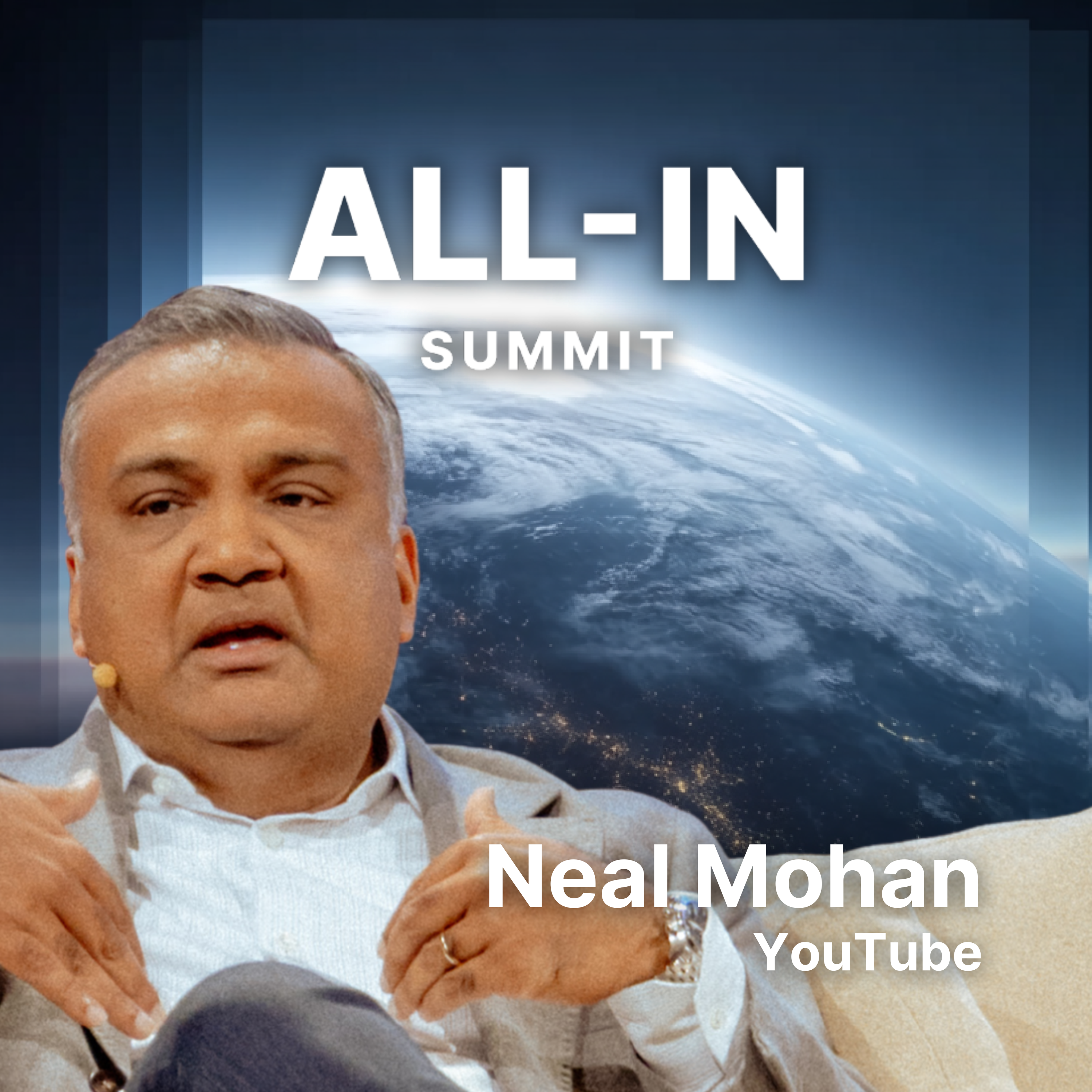
YouTube's strategy for AI content extends beyond labeling. CEO Neal Mohan reveals plans to adapt their Content ID system for "likeness detection." This would empower creators to identify AI-generated content using their face or voice and then choose to either have it removed or take ownership and monetize it themselves.
While AI lowers the barrier to content creation for everyone, it simultaneously increases the value of uniquely human contributions. As AI-generated content becomes commoditized, attributes like lived experience, distinct perspective, and true originality will become the key differentiators for creators.

YouTube's AI video summaries can satisfy viewer curiosity without a full watch, harming creators who rely on information-based hooks. The counter-strategy is producing content where visuals are indispensable, making text summaries insufficient and preserving the value of watching.
Platforms like Sora represent a new phase where content is generated on the fly, tailored to maximize individual user attention. This devalues the role of human creators, as platforms no longer depend on them to fill their content catalogs, fundamentally altering the media landscape.
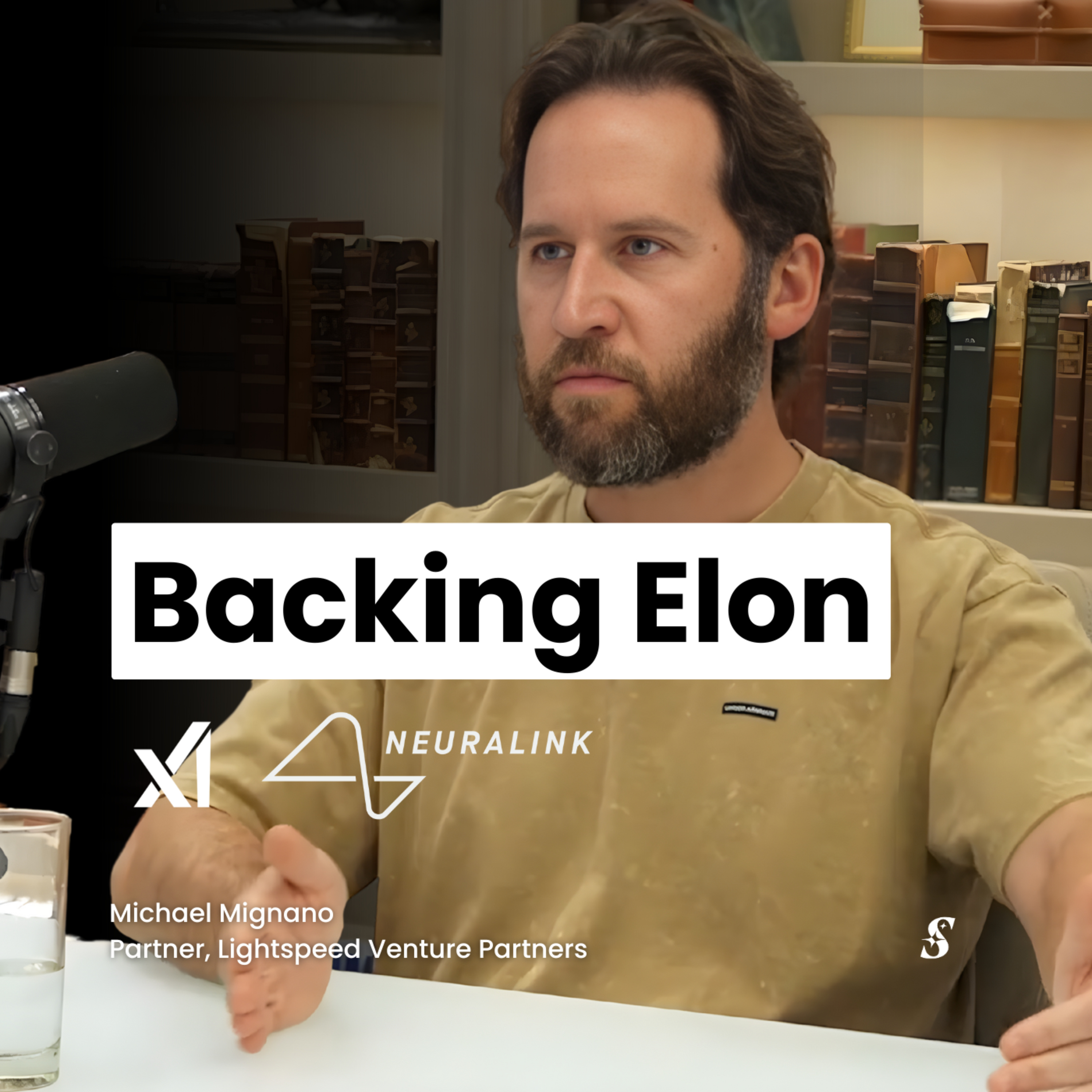
An AI CEO predicts that within two years, AI tools will make content creation instantaneous and nearly free. This will destroy traditional moats like audience loyalty and production quality, as anyone can generate photorealistic content. The market will shift focus from the creator to the individual content piece.