Get your free personalized podcast brief
We scan new podcasts and send you the top 5 insights daily.
Individuals will use AI to build bespoke software for personal use. A subset of these tools will find a niche market, creating entrepreneurs who operate outside the VC-funded, subscription-SaaS model, potentially favoring one-time purchase models due to low development costs.

Related Insights
The new wave of entrepreneurship isn't about scaling large companies. It's about solopreneurs acting as "gig entrepreneurs" who master and customize a suite of AI tools to deliver bespoke, high-value outcomes for clients, effectively replacing the work of entire small agencies.

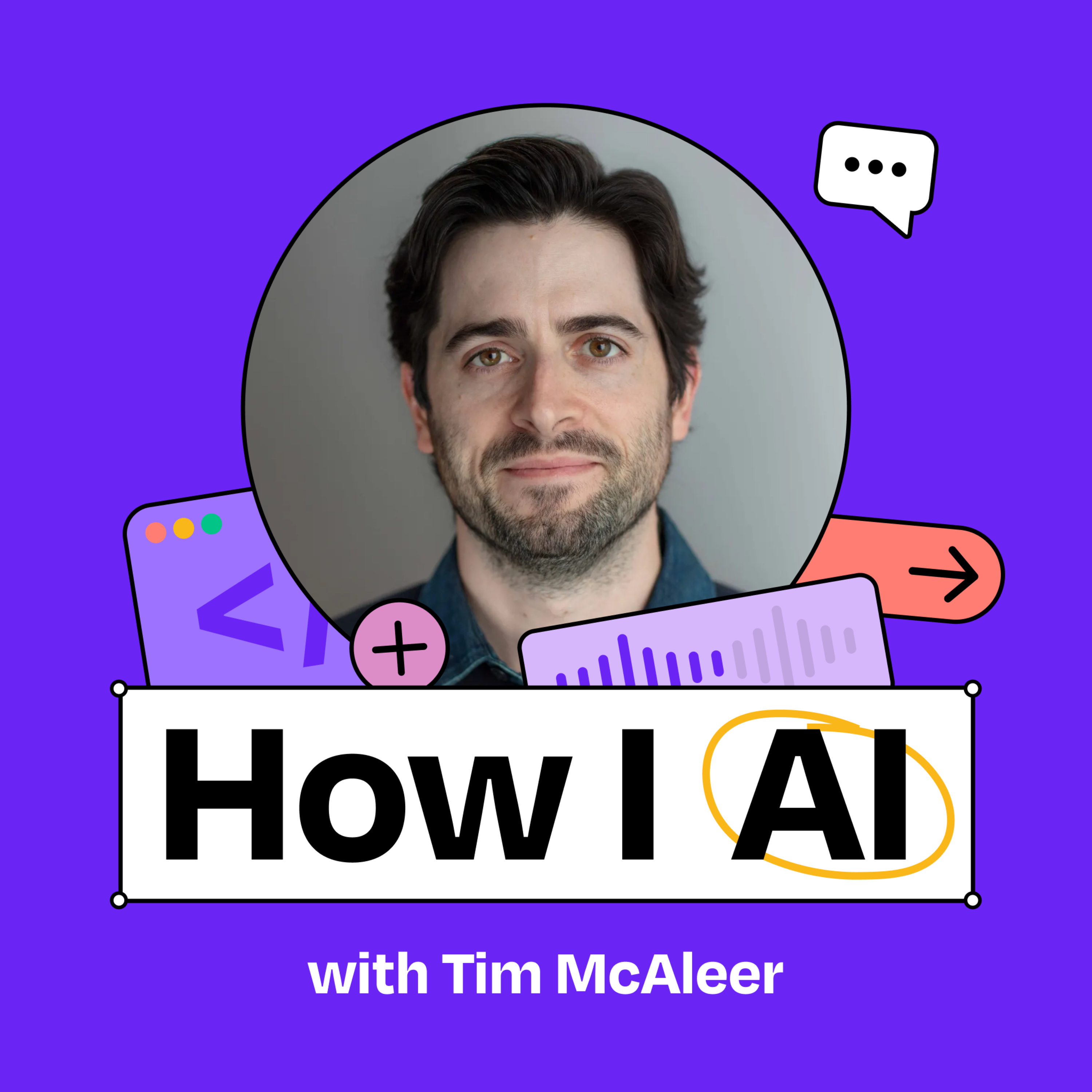
Tim McLear used AI coding assistants to build custom apps for niche workflows, like partial document transcription and field research photo logging. He emphasizes that "no one was going to make me this app." The ability for non-specialists to quickly create such hyper-specific internal tools is a key, empowering benefit of AI-assisted development.
Advanced AI like Gemini 3 allows non-developers to rapidly "vibe code" functional, data-driven applications. This creates a new paradigm of building and monetizing fleets of hyper-specific, low-cost micro-SaaS products (e.g., $4.99 per report) without traditional development cycles.

A new, specialized role will emerge within large companies, combining functional expertise (e.g., HR, legal) with "vibe coding" skills. These individuals will act as internal consultants, building bespoke AI applications directly for departments, bypassing traditional IT backlogs.
The surprising success of Dia's custom "Skills" feature revealed a huge user demand for personalized tools. This suggests a key value of AI is enabling non-technical users to build "handmade software" for their specific, just-in-time needs, moving beyond one-size-fits-all applications.

Designers have historically been limited by their reliance on engineers. AI-powered coding tools eliminate this bottleneck, enabling designers with strong taste to "vibe code" and build functional applications themselves. This creates a new, highly effective archetype of a design-led builder.
In the future, it will be easier for businesses to build their own custom software (e.g., Salesforce) through prompting than to buy and configure an off-the-shelf solution. This shift towards "liquid software" will fundamentally challenge the one-size-fits-all SaaS model, especially for companies that currently rely on implementation partners.
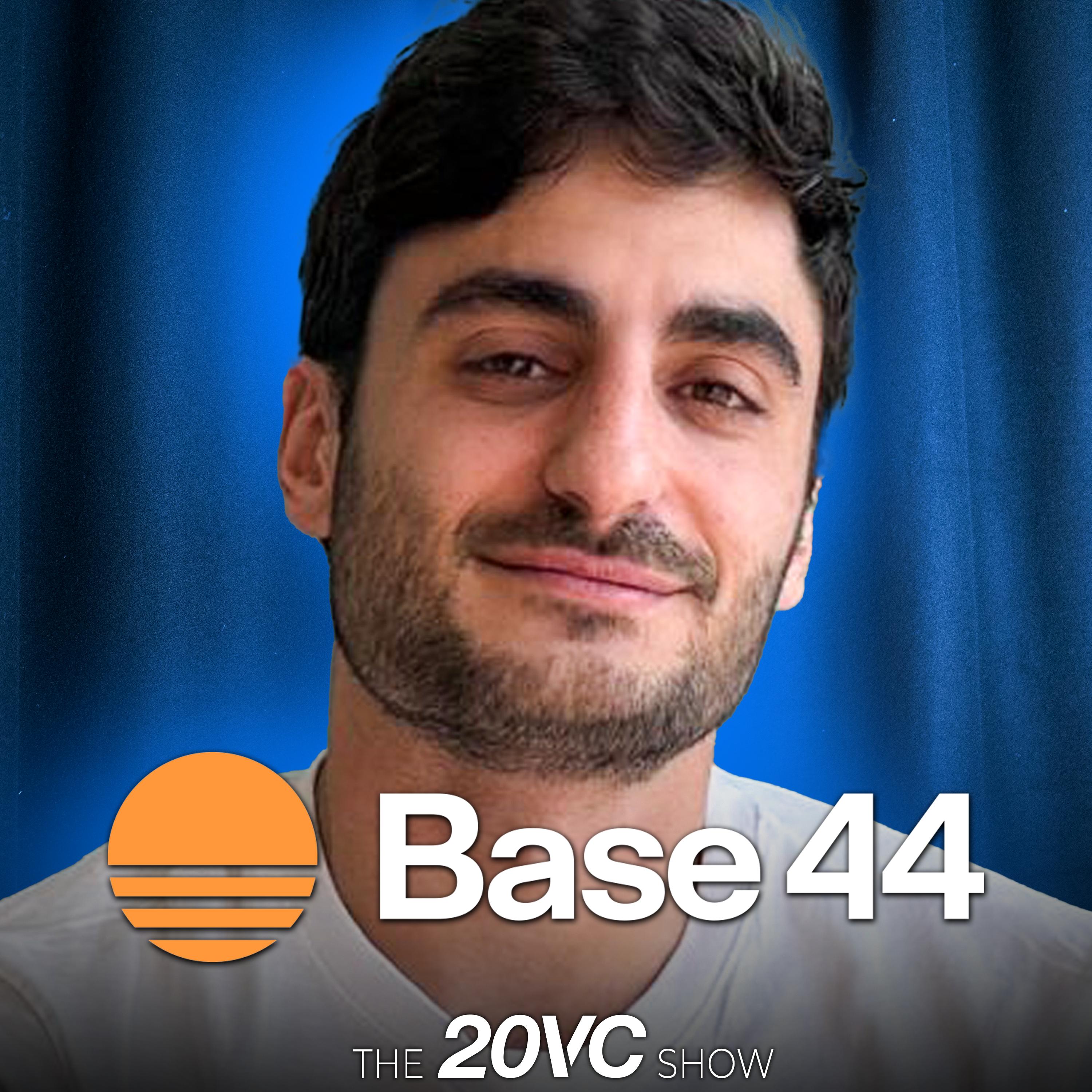
AI-assisted development, or "vibe coding," is re-engaging executives who coded earlier in their careers. It removes the time-consuming friction of going from idea to MVP, allowing them to quickly build personal tools and reconnect with the craft of software creation, even with demanding schedules.

A new class of non-professional developers ("vibe-coders") uses AI tools to build apps but often gets stuck on the final 20% of the work. This creates an opportunity for a service that connects them with experts for short, focused sessions to solve specific roadblocks and ship their projects.

AI coding tools will enable non-technical individuals to build bespoke 'personal software' for their niche communities, leading to an explosion of low-TAM applications. This trend empowers creators to achieve product-market fit and generate revenue before seeking funding, shifting leverage away from venture capitalists and putting more power back into founders' hands.
