Get your free personalized podcast brief
We scan new podcasts and send you the top 5 insights daily.
RoboCath deliberately designed its platform to be compatible with all device brands. This open-ecosystem approach lowers the barrier to adoption, as physicians don't need to abandon their preferred tools, a key advantage over competitors who might pursue exclusive partnerships.

Related Insights
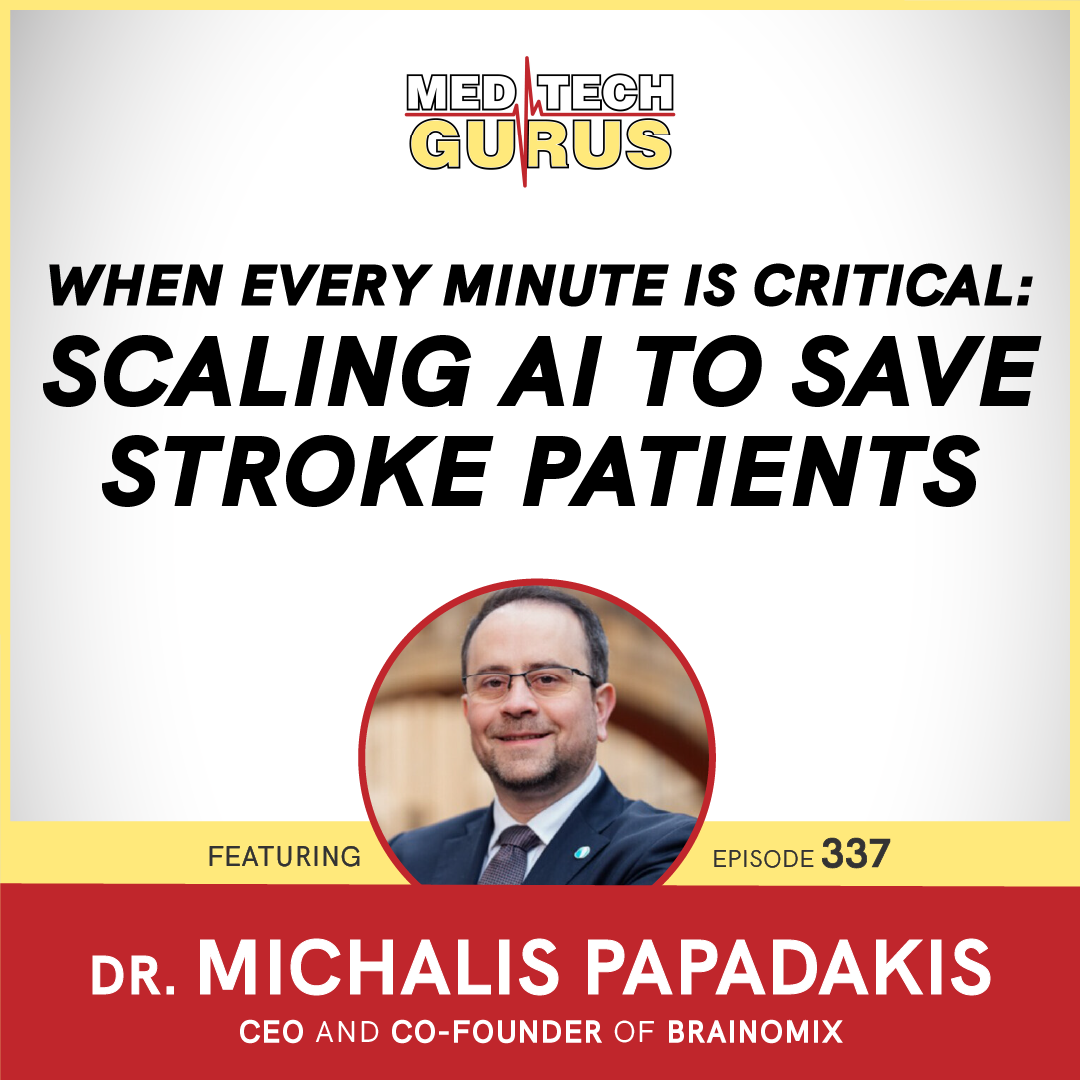
Instead of focusing only on physicians, Brainomix positions its AI as a value-add for the entire stroke treatment ecosystem. By helping increase the use of existing drugs and devices, they create strategic alignment with powerful pharma and med device partners.
Startups can beat incumbents like Amazon and Apple in the smart speaker market by using an open-source strategy. Building on common hardware like Raspberry Pi and fostering a developer community enables rapid innovation and integrations that closed ecosystems can't match.
Two dominant strategies are winning. Companies can either be the absolute best at one specific thing (e.g., musculoskeletal care, women's health) or build a platform that aggregates these best-in-class solutions into a seamless 'digital front door' for insurers and corporations.

Doximity integrates multiple workflow tools like telehealth and e-signatures. While specialized competitors might offer better individual products, Doximity wins by providing a convenient, all-in-one platform that doctors are already engaged with daily, creating a powerful defensive moat.
![Doximity: The Hub of Healthcare - [Business Breakdowns, EP.236] thumbnail](https://megaphone.imgix.net/podcasts/8c0a2a5a-d167-11f0-a7b9-3f57504a8cb8/image/02ea26ff0b721939d29f31ed5fa60266.jpg?ixlib=rails-4.3.1&max-w=3000&max-h=3000&fit=crop&auto=format,compress)
Disruptive MedTech ideas attract investment, but they are high-risk. Founders should de-risk these big bets by developing market access and commercial strategies simultaneously with product development, not after FDA approval.
The next wave of MedTech innovation won't just come from engineers. It will come from creating tools that allow surgeons and clinicians—those who see problems firsthand—to easily prototype and de-risk new device concepts, vastly expanding the market for innovation itself.
Many MedTech companies mistakenly believe a clinically superior product will automatically win market share. This is false. Market adoption is not automatic; it must be designed as intentionally as the product itself to overcome the powerful inertia of the status quo and make the market mentally ready for change.

The robotic platform's success was driven by a physician-founder's focus on three core needs: being precise and efficient, being user-friendly by working with all existing third-party devices, and being affordable for hospitals.
Carvolix is strategically designing its robotic and AI platform to be compatible with heart valves from all major manufacturers like Edwards and Medtronic. This "agnostic" approach allows them to sell *to* the entire ecosystem rather than competing *within* it, positioning their technology as a universal upgrade that any hospital can adopt regardless of its preferred valve supplier.

A common clinical need doesn't mean a one-size-fits-all commercial strategy. To scale globally, companies must appreciate the technical, clinical, and commercial differences in each healthcare system and invest in local resources to navigate them successfully.