Get your free personalized podcast brief
We scan new podcasts and send you the top 5 insights daily.
The next wave of MedTech innovation won't just come from engineers. It will come from creating tools that allow surgeons and clinicians—those who see problems firsthand—to easily prototype and de-risk new device concepts, vastly expanding the market for innovation itself.

Related Insights
The combination of AI reasoning and robotic labs could create a new model for biotech entrepreneurship. It enables individual scientists with strong ideas to test hypotheses and generate data without raising millions for a physical lab and staff, much like cloud computing lowered the barrier for software startups.
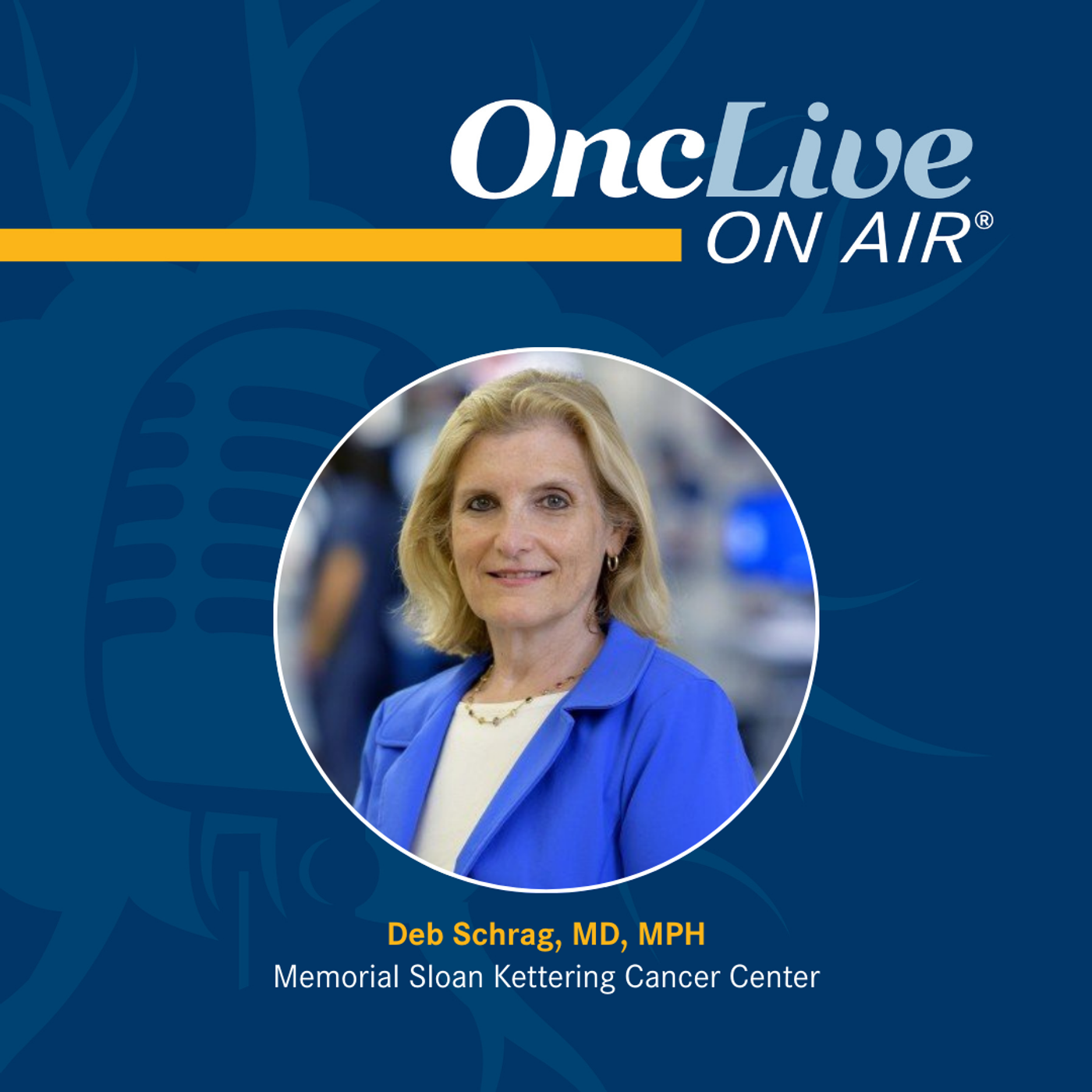
Dr. Deb Schrag predicts that future medical innovations, especially in AI, will depend on collaborations beyond traditional medical specialties. Oncologists must now partner with engineers, computational scientists, and physicists to translate complex technologies into clinical practice.
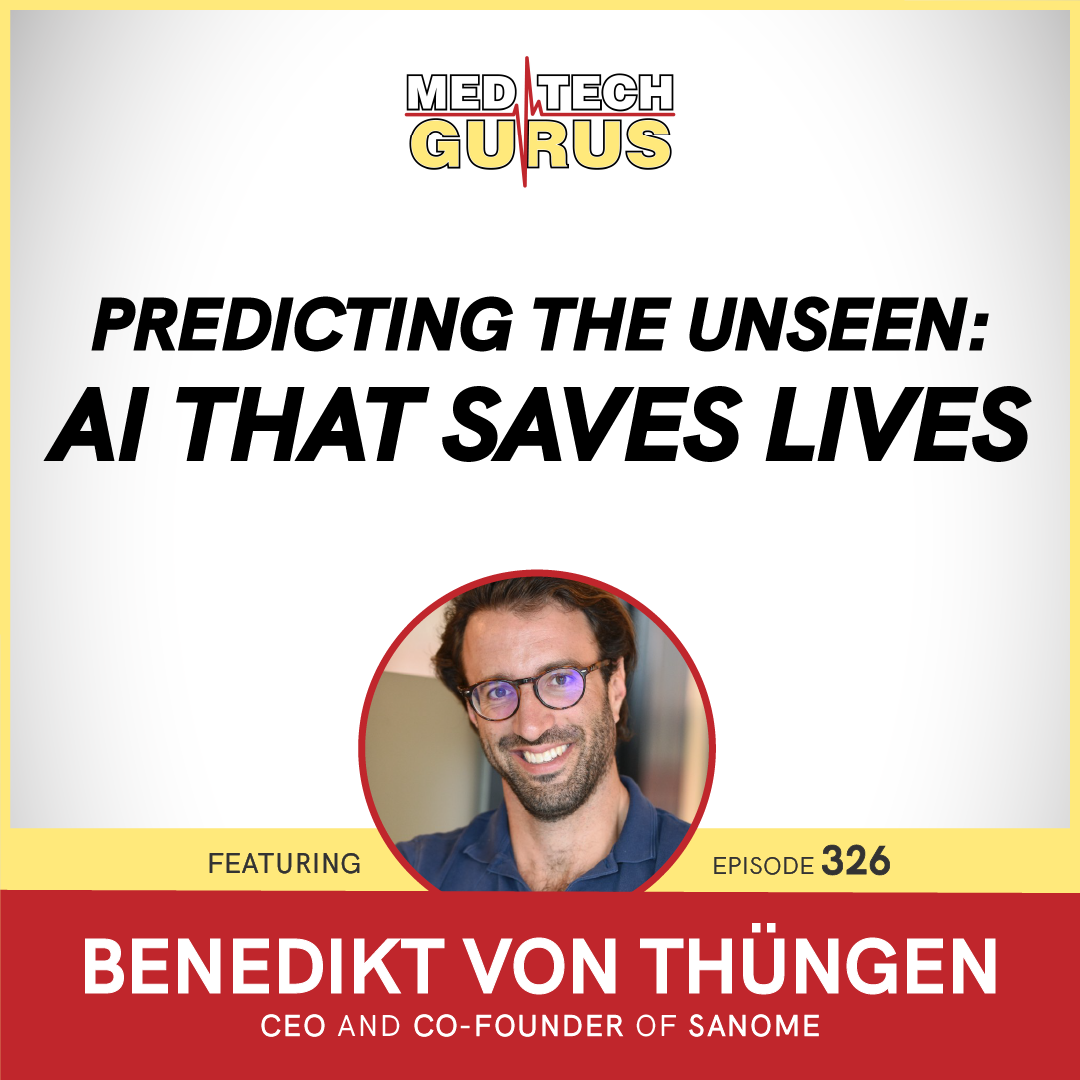
The high cost of bringing an AI model to market ($5-10M) limits adoption to elite hospitals. By reducing validation costs 100x (to $50-100k), innovators can lower prices, making AI accessible to all hospitals and creating a viable ROI.
Successful MedTech innovation starts by identifying a pressing, real-world clinical problem and then developing a solution. This 'problem-first' approach is more effective than creating a technology and searching for an application, a common pitfall for founders with academic backgrounds.

An effective AI strategy in healthcare is not limited to consumer-facing assistants. A critical focus is building tools to augment the clinicians themselves. An AI 'assistant' for doctors to surface information and guide decisions scales expertise and improves care quality from the inside out.

The future of AI in drug discovery is shifting from merely speeding up existing processes to inventing novel therapeutics from scratch. The paradigm will move toward AI-designed drugs validated with minimal wet lab reliance, changing the key question from "How fast can AI help?" to "What can AI create?"

As AI allows any patient to generate well-reasoned, personalized treatment plans, the medical system will face pressure to evolve beyond rigid standards. This will necessitate reforms around liability, data access, and a patient's "right to try" non-standard treatments that are demonstrably well-researched via AI.

While AI for novel drug discovery has lofty goals, its most practical value lies in accelerating development. This includes applying AI to de-risked assets for new indications, improving delivery methods, and designing faster, more effective clinical trials, which is where the real bottleneck lies.

AI will create jobs in unexpected places. As AI accelerates the discovery of new drugs and medical treatments, the bottleneck will shift to human-centric validation. This will lead to significant job growth in the biomedical sector, particularly in roles related to managing and conducting clinical trials.

Large medical device companies have rigid innovation cycles that may not align with a clinician's new idea. Dr. Adam Power discovered that to ensure his invention would actually reach patients, he had to commercialize it himself rather than waiting for a large company's timeline.