Get your free personalized podcast brief
We scan new podcasts and send you the top 5 insights daily.
Carvolix is strategically designing its robotic and AI platform to be compatible with heart valves from all major manufacturers like Edwards and Medtronic. This "agnostic" approach allows them to sell *to* the entire ecosystem rather than competing *within* it, positioning their technology as a universal upgrade that any hospital can adopt regardless of its preferred valve supplier.
Related Insights
The company avoids channel conflict with its automotive customers by positioning itself strictly as a technology supplier, not a consumer brand. They sell operating systems and autonomy models to manufacturers, who in turn sell the final cars to consumers. This pure B2B focus prevents direct competition.

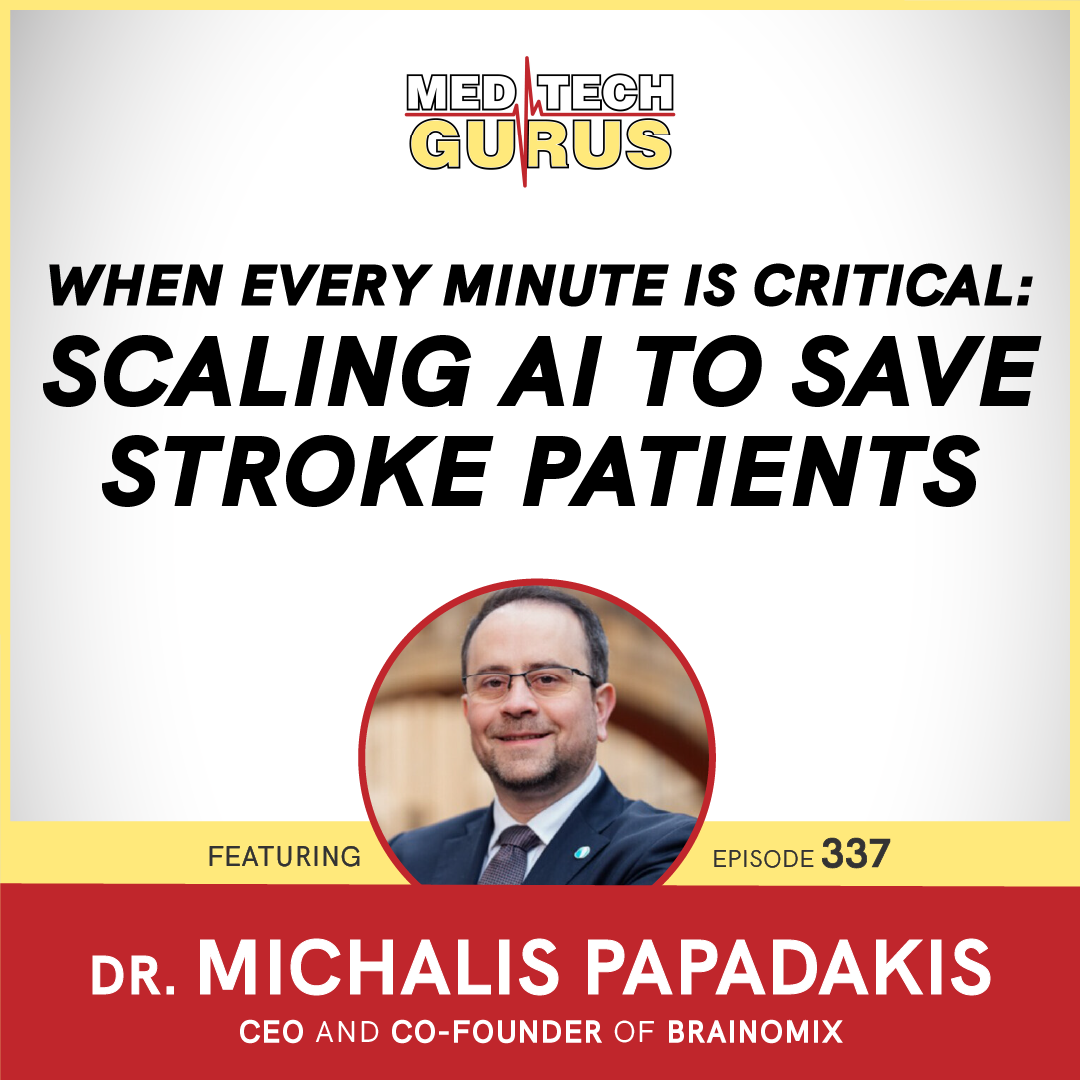
Instead of focusing only on physicians, Brainomix positions its AI as a value-add for the entire stroke treatment ecosystem. By helping increase the use of existing drugs and devices, they create strategic alignment with powerful pharma and med device partners.
When competitors offer similar point solutions (e.g., AI-generated code), the only way to become indispensable is to integrate deeply into the customer's entire development lifecycle, especially for their most critical, revenue-tied initiatives.

Gecko Robotics' strategy extends beyond its own hardware. The company is creating a "nervous system" – a data and application layer – to manage fleets of industrial robots from various manufacturers, aiming to orchestrate them to solve high-ROI problems like refinery maintenance.

Philippe Pouletty compares his vision for Carvolix's AI-driven robotic surgery to modern aviation. Just as GPS and automation make flying safer and accessible to more pilots, Carvolix uses AI and robotics to simplify complex cardiac procedures, enabling less-experienced cardiologists to perform them safely and effectively, thus expanding patient access.
Cursor positions itself as a model-agnostic platform, turning potential competitors like OpenAI and Anthropic into partners. By being the "Snowflake for SDLC" on top of the "hyperscaler" models, they create a differentiated value layer focused on a vertical use case.
Instead of competing on diagnostics, Anthropic is positioning its Claude model as an 'orchestrator' to unify disparate health data for patients and providers. This strategy targets a major pain point—system navigation and data integration—rather than directly challenging established medical AI use cases, carving out a unique enterprise niche.

To succeed in traditional industries, sell what customers already buy (e.g., a finished circuit board), not the novel tool used to make it. Diode Computers positions its AI as an internal implementation detail that provides speed and cost advantages, fitting seamlessly into existing procurement workflows without forcing customers to adopt new software.

Competitors target easy-to-automate "drive-by-wire" excavators, which comprise only 5% of the market. Flywheel AI builds its moat by creating a solution that retrofits the other 95% of hydraulic machines. This universal compatibility is key in a price-sensitive industry with mixed fleets.

The future of biotech moves beyond single drugs. It lies in integrated systems where the 'platform is the product.' This model combines diagnostics, AI, and manufacturing to deliver personalized therapies like cancer vaccines. It breaks the traditional drug development paradigm by creating a generative, pan-indication capability rather than a single molecule.
