Get your free personalized podcast brief
We scan new podcasts and send you the top 5 insights daily.
Harris argues that politicians make a dangerous mistake by engaging with toxic online influencers merely to access their large followings. Legitimizing bad-faith ideologues damages political norms and grants unearned credibility to political extremism.

Related Insights
While forgiveness is a virtue, media creators must strategically decide who to platform. Giving airtime to individuals with a history of harmful rhetoric can amplify their message, regardless of the interviewer's intent to challenge them.

Harris warns that when mainstream center-left political parties align with radical leftists and theocratic factions, they alienate moderate voters. He contends this ideological confusion will inevitably trigger a severe voter backlash that delivers far-right authoritarians into office.
Conspiracy theories gain mainstream traction because social media platforms have a profit incentive to algorithmically elevate novel, engaging content. This amplification normalizes fringe ideas, making them seem self-evident and eroding institutional trust.

When The New York Times hosts a jovial podcast discussing "micro-looting" and "social murder" without forceful condemnation, it lends its credibility to fringe ideologies. This risks normalizing theft and violence for a wider audience, regardless of intent.

Extremist figures are not organic phenomena but are actively amplified by social media algorithms that prioritize incendiary content for engagement. This process elevates noxious ideas far beyond their natural reach, effectively manufacturing influence for profit and normalizing extremism.
America's political class is a gerontocracy, but young staffers wield significant influence. These staffers are deeply immersed in the most extreme online political content, effectively mainlining radical ideologies from platforms like X directly into the heart of policy-making.
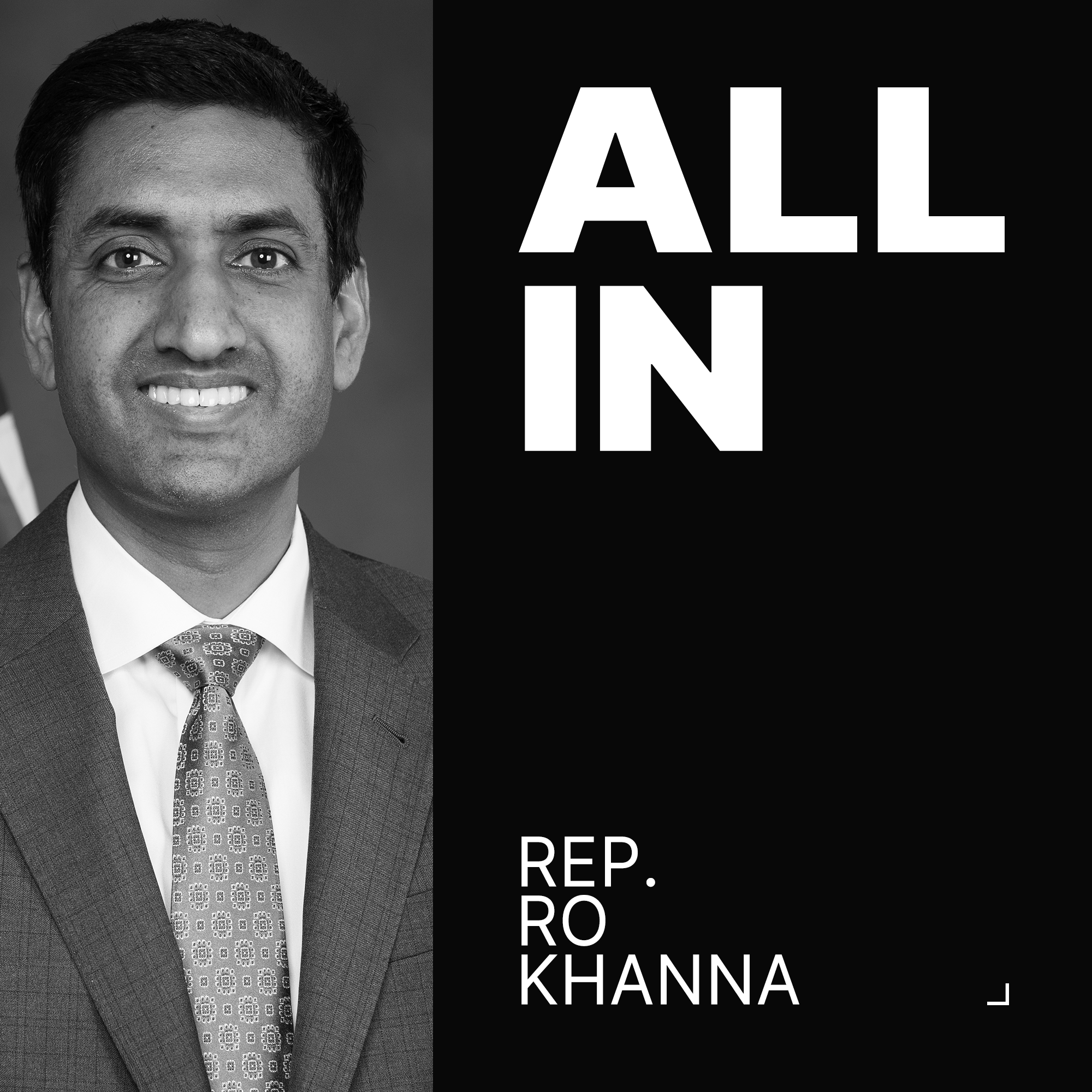
Congressman Ro Khanna argues that the primary corrupting force in American politics has shifted from money to hate and extremism. The modern attention economy rewards divisive behavior with media coverage and base support, making rational, bipartisan compromise a politically costly strategy.
Online platforms reward outrage over reason. Sensible content gets little traction, while inflammatory and false statements generate massive engagement. This dynamic creates a powerful incentive for influencers and politicians to become increasingly extreme to maintain relevance.

Harris observes that modern digital tools reward charismatic personalities who can capture attention in short smartphone video formats. He argues this dynamic weeds out qualified, thoughtful statesmen while elevating internet celebrities and demagogues who are poorly suited for high executive office.
Harris warns that prominent progressive media like The New York Times are making a 'colossal moral and political error' by platforming extremist figures like Hasan Piker. He argues this signal-boosting could render the Democratic party unelectable in future elections.
