Get your free personalized podcast brief
We scan new podcasts and send you the top 5 insights daily.
AI isn't a technology to be applied to existing processes. It's a foundational layer, like an operating system, that fundamentally reshapes how businesses create value, make decisions, and operate. This perspective forces a complete rethink of strategy, not just an upgrade.

Related Insights
Don't view AI as just a feature set. Instead, treat "intelligence" as a fundamental new building block for software, on par with established primitives like databases or APIs. When conceptualizing any new product, assume this intelligence layer is a non-negotiable part of the technology stack to solve user problems effectively.
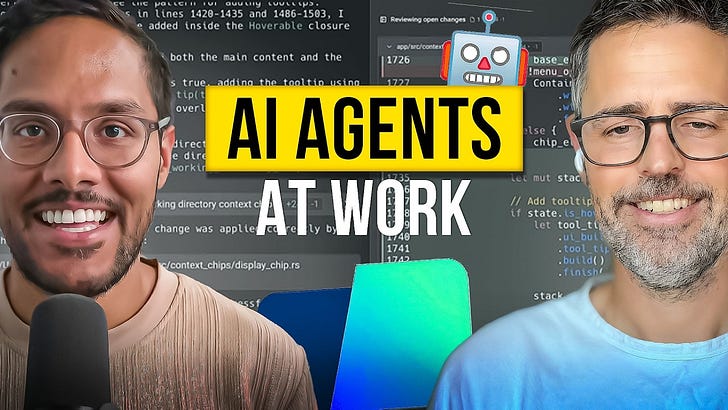
Don't just sprinkle AI features onto your existing product ('AI at the edge'). Transformative companies rethink workflows and shrink their old codebase, making the LLM a core part of the solution. This is about re-architecting the solution from the ground up, not just enhancing it.

Don't treat AI as merely a product feature or a productivity tool. Moonpig's tech chief views it as a fundamental infrastructure shift, like the electrical grid. Leaders should focus on fostering an adaptable mindset for systemic change, rather than fixating on today's specific AI applications.

The true challenge of AI for many businesses isn't mastering the technology. It's shifting the entire organization from a predictable "delivery" mindset to an "innovation" one that is capable of managing rapid experimentation and uncertainty—a muscle many established companies haven't yet built.

Using AI for incremental efficiency gains (10% thinking) is becoming table stakes. True competitive advantage lies in 10X thinking: using AI to fundamentally reimagine your business model, services, and market approach. Companies that only optimize will be outmaneuvered by those that transform.

The greatest value of AI isn't just automating tasks within your current process. Leaders should use AI to fundamentally question the workflow itself, asking it to suggest entirely new, more efficient, and innovative ways to achieve business goals.
Adding AI tools to current processes yields only incremental efficiency. To achieve significant business impact, leaders must rebuild their entire go-to-market system—roles, workflows, and data flow—with AI at the core, not as an add-on.

The true power of AI is unlocked by adopting an "AI First" approach. This means completely redesigning workflows with AI at the core, rather than simply using AI to accelerate existing processes. This shifts employees' roles from performing tasks to managing the AI agents that do the work.

Unlike previous technologies that integrated into existing workflows, AI agents require us to fundamentally re-engineer our work processes to make them effective. Early adopters who adapt their operations to how agents "think" will gain compounding advantages over competitors.
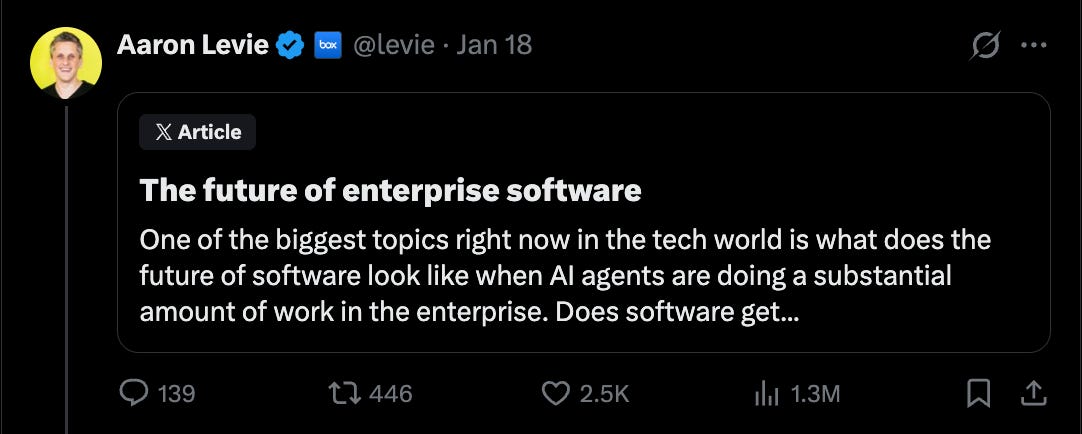
Go beyond using AI for simple efficiency gains. Engage with advanced reasoning models as if they were expert business consultants. Ask them deep, strategic questions to fundamentally innovate and reimagine your business, not just incrementally optimize current operations.
