Get your free personalized podcast brief
We scan new podcasts and send you the top 5 insights daily.
Legora wins 85% of competitive deals by focusing on three things: product quality, team dedication, and their long-term roadmap. In a fast-moving field like AI, enterprise clients are betting on a partner who can navigate the future, not just a tool for today.

Related Insights
While incumbents sell roadmaps, startups can collapse enterprise sales cycles by demonstrating a fully functional product that is provably better *today*. Showing a live, superior solution turns a year-long procurement process into a 60-day sprint for motivated buyers.

Investor Stacy Brown-Philpot advises that to win large enterprise deals, an AI startup must create a solution so compelling it beats the customer's internal team vying for the same budget. The goal is to access the core 15% budget pool, not the 1% 'play money' budget.
General Catalyst's CEO notes a change in enterprise AI GTM strategy. The old model was finding product-market fit, then repeating sales. The new model involves "forward deployed engineering" to build deep trust with an initial enterprise client, then focusing on expanding the services offered to that single client.

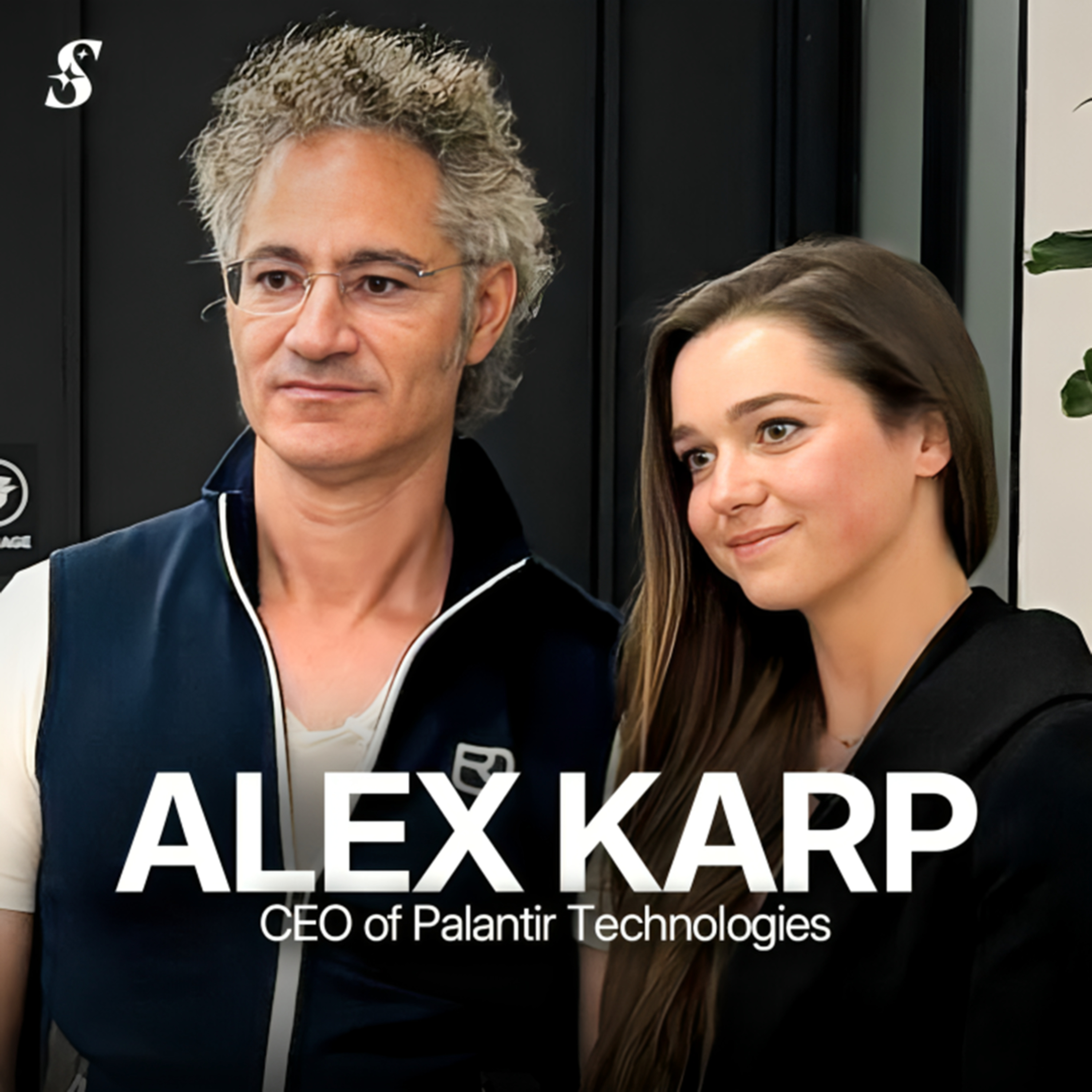
Unlike typical software companies that build addictive products or simply fulfill requests, Palantir's approach is to anticipate and build what its partners *ought* to want in the future. This radical, value-driven strategy builds deep trust and creates an indispensable long-term position with the client.
In a confusing and rapidly evolving AI landscape, the most effective partners don't just implement solutions; they provide clarity. Their primary role is to help customers understand what is possible, bridging the gap between current business problems and potential AI-driven outcomes, thus solving problems before any technology is deployed.

Enterprises struggle to get value from AI due to a lack of iterative, data-science expertise. The winning model for AI companies isn't just selling APIs, but embedding "forward deployment" teams of engineers and scientists to co-create solutions, closing the gap between prototype and production value.

Enterprise leaders aren't motivated by solving small, specific problems. Founders succeed by "vision casting"—selling a future state or opportunity that gives the buyer a competitive edge ("alpha"). This excites them enough to champion a deal internally.

Large enterprises don't buy point solutions; they invest in a long-term platform vision. To succeed, build an extensible platform from day one, but lead with a specific, high-value use case as the entry point. This foundational architecture cannot be retrofitted later.

Being a vendor just solves today's problems. To become a true strategic partner, you must understand a customer's long-term business goals and explicitly connect your product roadmap to their future success. This is critical for enterprise retention and moving up-market.

Moonshot AI's CEO effectively sells his product by "vision casting"—framing it not as an e-commerce tool but as a partner that enables businesses to thrive. This focus on the ultimate outcome, rather than product features, resonates deeply with customers and powerfully articulates the value of a complex AI solution.
