Get your free personalized podcast brief
We scan new podcasts and send you the top 5 insights daily.
While immigration is framed as an intractable issue, a bipartisan solution called the 'Dignity Act' already exists in the House with support from 23 Republicans and 23 Democrats. Rahm Emanuel endorses it as a workable compromise that honors America as both a nation of laws and a nation of immigrants.

Related Insights
Beyond its long-term growth benefits, rational immigration policy can be a powerful short-term tool against inflation. By addressing labor shortages in critical sectors like construction, agriculture, and elder care, an increased and targeted immigrant workforce can directly reduce cost pressures on essential goods and services.

Former DHS Secretary Janet Napolitano reveals DACA was initiated immediately after Congress failed to pass the Dream Act. It wasn't a proactive policy but a reactive measure, using executive power to solve a problem the legislative branch couldn't, highlighting how executive action can stem from legislative paralysis.

Friction around immigration stems primarily from economic anxiety rather than pure xenophobia. If the system were structured so that every immigrant measurably increased the personal wealth of existing citizens, public sentiment would likely shift to overwhelmingly favor more immigration. The core issue is perceived resource drain.

A leader known for a tough immigration stance has the unique credibility to pivot towards an open, structured policy. This can neutralize opponents, appeal to independents, and address business needs, effectively allowing them to 'declare victory' and move on.

Polling data reveals a critical nuance in public perception. Two-thirds of Democrats and a majority of independents interpret the "Abolish ICE" slogan not as eliminating immigration enforcement, but as a demand to replace the agency with a system aligned with American values and due process, a distinction often lost in political attacks.

Fetterman presents a nuanced immigration stance: secure the border and deport all criminals, but recognize that "otherwise lawful migrants" are essential to the economy, particularly in agriculture. He opposes targeting migrants who are not criminals and are filling critical labor shortages in states like Pennsylvania.

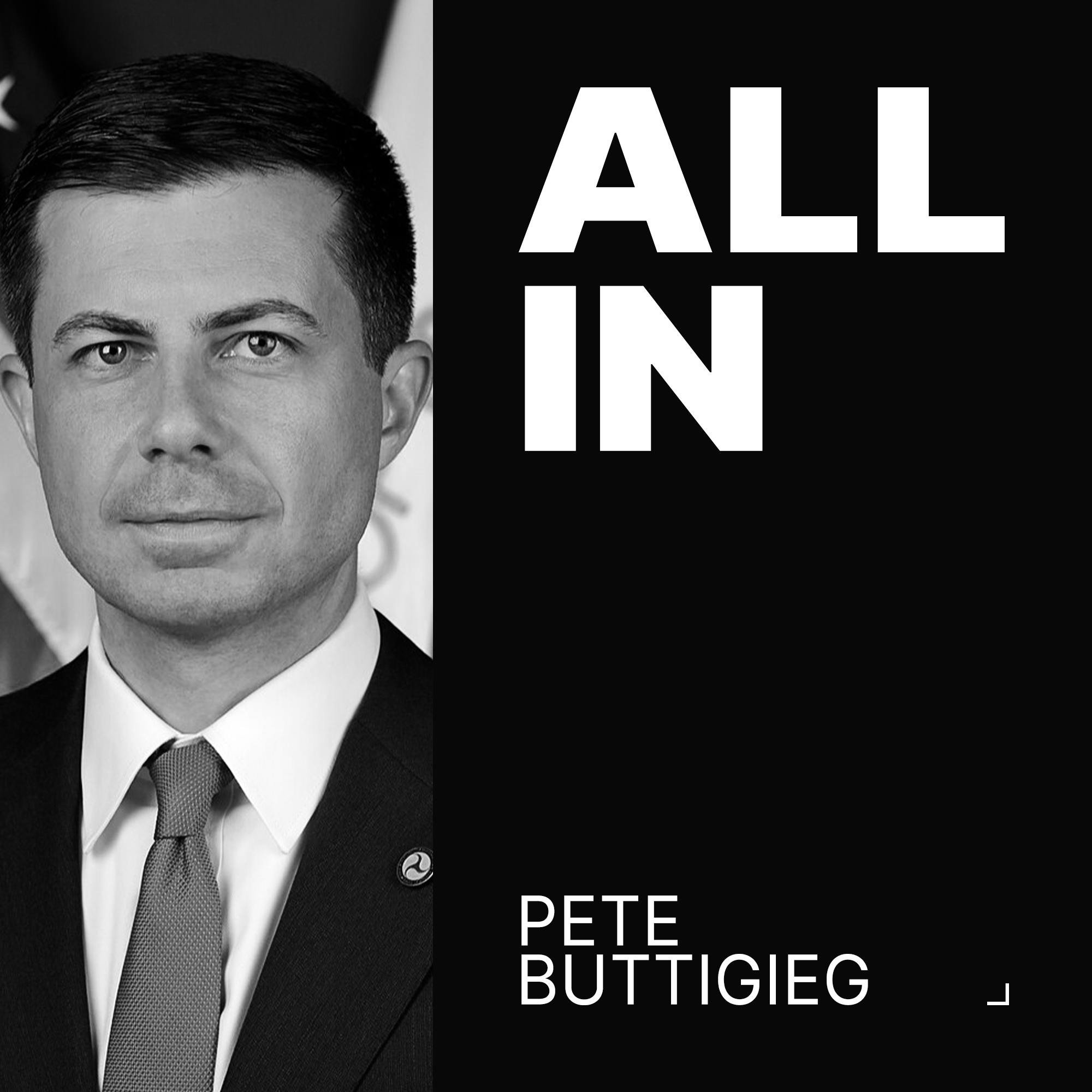
Buttigieg speculates that President Biden, a "creature of Congress," initially deferred to the legislative branch to forge a bipartisan immigration deal. This strategy failed, and the effective executive orders only came late in his term, suggesting the border situation could have been different if action were taken sooner.
Framing immigration solely as a moral imperative leads to impractical policies by ignoring crucial factors like resource allocation, cultural integration, and public consent. A pragmatic approach balances humanitarianism with national interest, preventing unsustainable outcomes and social friction.

Bipartisanship often results in a "mushy middle" compromise nobody loves. The Institute for Progress's "cross-partisanship" strategy finds ways for both parties to earnestly support the same policy for their own distinct reasons, creating more durable legislation.

Senator Cory Booker argues that failing to implement a robust legal immigration system is a significant economic mistake. Attracting global talent, from agricultural workers to PhDs, directly boosts the economy, thereby increasing tax revenues and helping to solve the national deficit.
