Get your free personalized podcast brief
We scan new podcasts and send you the top 5 insights daily.
To make their browser-based Bubble app control physical hardware like cash drawers and receipt printers, Wash Dry Fold POS used a third-party program that could be activated via JavaScript. This hybrid "low-code" approach bridges the gap between web apps and physical devices, a common hurdle for no-code platforms.

Related Insights
To test the interaction between physical buttons and the on-screen UI, the designer used a simple, reprogrammable keyboard from Etsy. The OS recognizes it as a standard keyboard, allowing for rapid, low-cost simulation of custom hardware controls directly within a Figma prototype.
AI coding assistants can reverse-engineer hardware with poor software, like Mural photo frames, and generate a superior, custom web interface in minutes. This effectively bypasses the manufacturer's intended user experience, commoditizing the software layer of hardware products.

Browser automation is a common failure point for AI agents because the open web is often hostile to bots. The most robust solution is to bypass the user interface entirely. Before attempting a browser-based task, always check if the target service offers an API, which provides a more stable integration.

Creating integrations for native desktop applications can be difficult. A powerful workaround is to use the web-based version of the app, like Slack in Chrome. This allows you to build custom Chrome extensions that can read content, trigger actions, and automate workflows.
Enterprises face a major friction point with AI agents: business teams want easy no-code tools, while engineering teams need low-level code access for control and integration. Inkey's solution is a hybrid platform where a no-code visual builder generates a TypeScript SDK. This allows support or sales teams to build agents that engineers can then refine and manage as code.

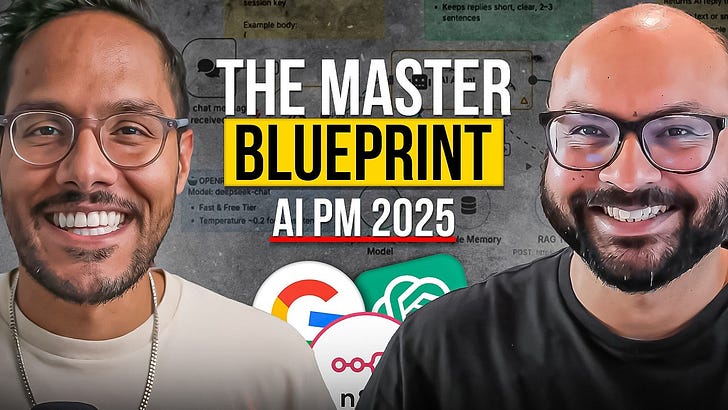
Prototyping and even shipping complex AI applications is now possible without writing code. By combining a no-code front-end (Lovable), a workflow automation back-end (N8N), and LLM APIs, non-technical builders can create functional AI products quickly.
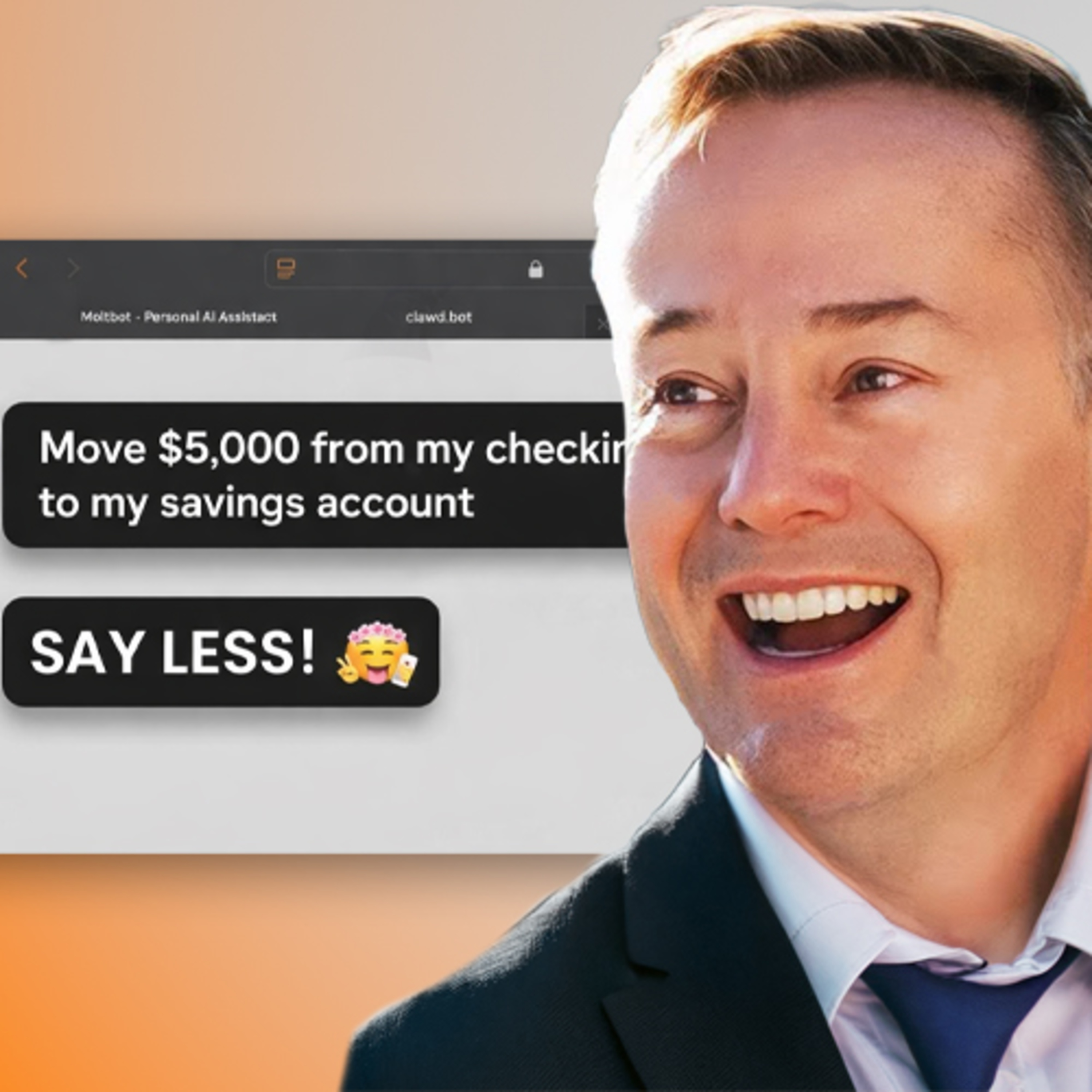
By giving agents control over physical or virtual smartphones, they can interact with millions of existing mobile apps via their user interfaces. The Phone Claw concept shows this bypasses the need for specific API integrations, opening a vast, untapped frontier for automation, competitive analysis, and QA testing.
Wash Dry Fold POS knew it was time to stop reselling and build their own software when multiple vendors in their ecosystem approached them asking for integrations. This external validation from partners showed that their system was becoming a central hub and that owning the platform was the next logical step.
CNX discovered that its target users—backend RPG programmers—struggled with or were uninterested in modern UI/UX design. This realization led them to build a low-code tool to provide guardrails and ensure consistent, modern front-ends without requiring front-end expertise.

Against the common belief that no-code platforms can't scale, Wash Dry Fold POS built their entire cloud-based software on Bubble. They grew to over seven figures in ARR, demonstrating that for many niche applications, no-code is a viable and powerful alternative to traditional development.