Get your free personalized podcast brief
We scan new podcasts and send you the top 5 insights daily.
Creating integrations for native desktop applications can be difficult. A powerful workaround is to use the web-based version of the app, like Slack in Chrome. This allows you to build custom Chrome extensions that can read content, trigger actions, and automate workflows.
Related Insights
When a key software tool like Gong lacked a direct data feed, a workaround was created by identifying URL patterns. A scraping tool was used to grab a unique Call ID, which was then appended to a base URL to access and scrape the full transcript, unblocking a complex automation workflow.
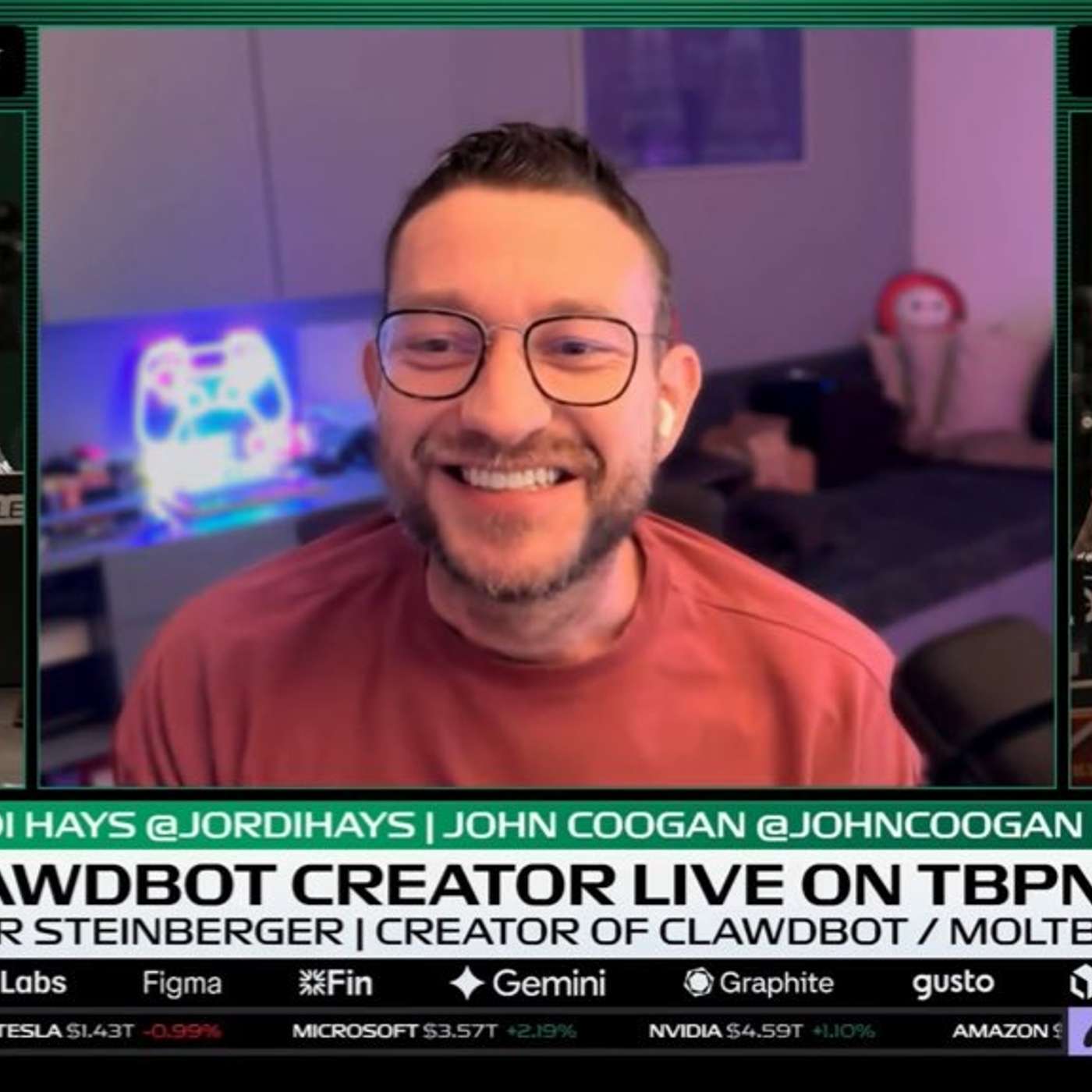
The focus on browser automation for AI agents was misplaced. Tools like Moltbot demonstrate the real power lies in an OS-level agent that can interact with all applications, data, and CLIs on a user's machine, effectively bypassing the browser as the primary interface for tasks.

By running locally on a user's machine, AI agents can interact with services like Gmail or WhatsApp without needing official, often restrictive, API access. This approach works around the corporate "red tape" that stifles innovation and effectively liberates user data from platform control.
Overwhelmed by Slack messages and internal documents? Build a Zapier agent connected to your company's knowledge base. Feed it your job description and current projects, and the agent can proactively scan all communications and deliver a weekly summary of only the updates relevant to your specific role.
User workflows rarely exist in a single application; they span tools like Slack, calendars, and documents. A truly helpful AI must operate across these tools, creating a unified "desired path" that reflects how people actually work, rather than being confined by app boundaries.

Instead of learning new technologies for each personal project, focus on a single framework like Chrome extensions. Create an AI "skill" or template for that framework. This compounds learning and allows you to build new custom tools much faster by focusing on the use case, not the underlying tech.
For many knowledge workers, the browser is their primary IDE. AI tools that operate as embedded extensions can leverage the real-time context of a webpage, combine it with a user's broader work data, and provide powerful, in-the-moment assistance without forcing a context switch.

By connecting to services like G Suite, users can query their personal data (e.g., 'summarize my most important emails') directly within the LLM. This transforms the user interaction model from navigating individual apps to conversing with a centralized AI assistant that has access to siloed information.

Agentic IDEs like Google's Anti-gravity will revolutionize development by eliminating tedious debugging. Its Chrome extension can programmatically access the DOM and console, allowing the AI to diagnose front-end issues automatically without requiring developers to manually copy and paste error data.
Instead of guessing what to automate, visit Zapier's app directory. Look up the tools you already use to see a complete list of available triggers and actions. This provides a "cheat sheet" of potential workflows for your specific tech stack.