Get your free personalized podcast brief
We scan new podcasts and send you the top 5 insights daily.
A company's true brand identity might not be obvious from the start. Lovesack was making long-lasting products for years, but only when it finally articulated this as its "Designed for Life" philosophy did its growth explode. The act of discovering and defining the ethos was the key catalyst.
Related Insights
A rebrand should be viewed as building the fundamental foundation of a business. Without it, growth attempts are superficial and temporary. With a solid brand, the company has a stable base that can support significant scaling and prevent the business from hitting a growth ceiling.

A successful rebrand doesn't create a new personality; it amplifies the company's true, existing identity. Just as money magnifies a person's character, a strong brand makes a company's core values—like community involvement—bigger, louder, and more public, forcing them to be more intentional.
When building a brand, differentiate between long-term and short-term elements. The core purpose and emotional connection should be enduring. In contrast, functional and experiential benefits must be constantly refreshed to remain relevant as markets and consumer tastes evolve.
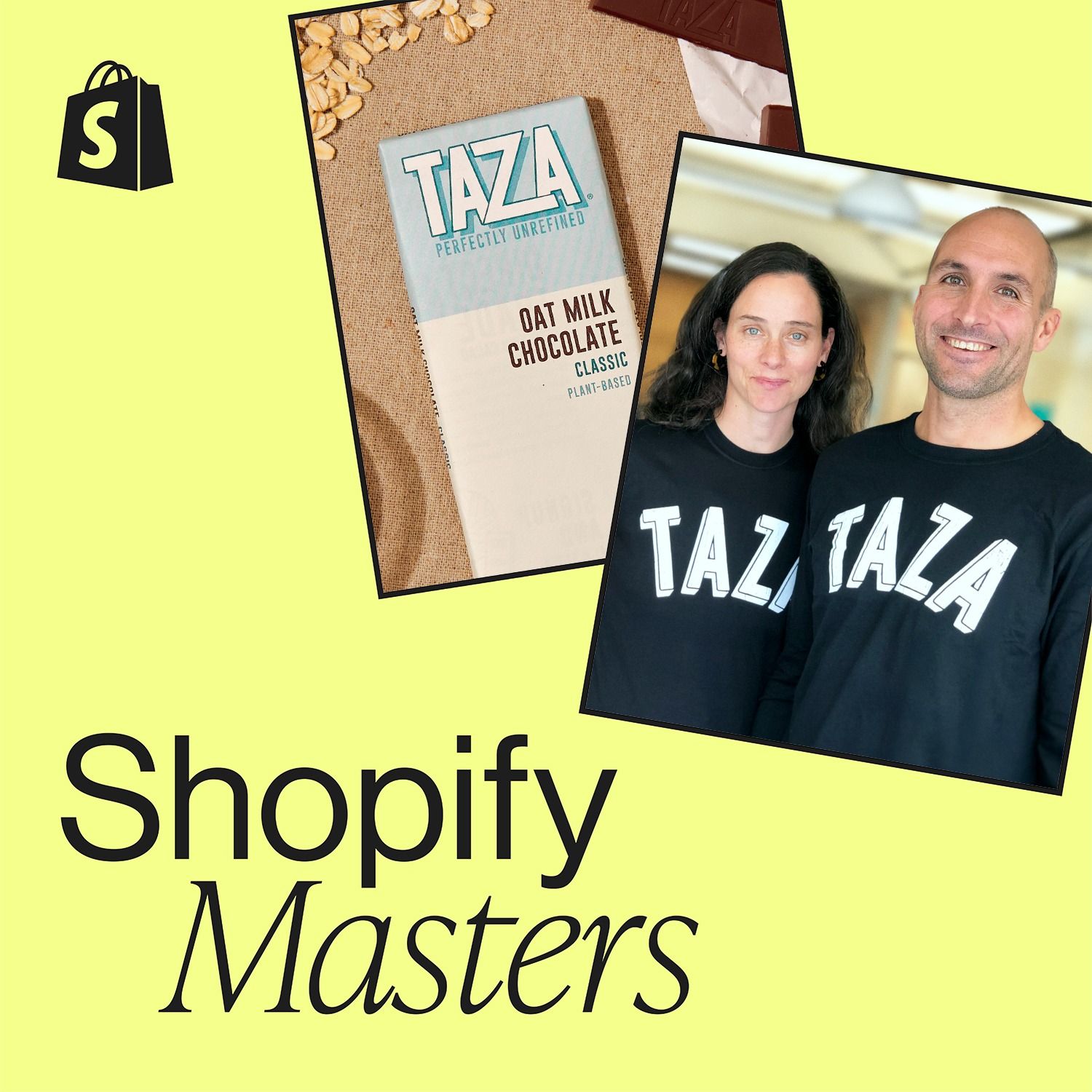
Taza's founders established a mission and core values like "True Grit" and "Seriously Bold" at the very beginning. They attribute their longevity and ability to navigate crises directly to these principles, noting that their biggest business stumbles happened whenever they deviated from this North Star.
A strategy defined only by the current product and target audience is brittle and fails to guide future development. A more holistic strategy is built on the company's underlying ethos, or 'how we do things.' This ethos provides a durable foundation for future product and marketing decisions.

In a crowded market, brand is defined by the product experience, not marketing campaigns. Every interaction must evoke the intended brand feeling (e.g., "lovable"). This transforms brand into a core product responsibility and creates a powerful, defensible moat that activates word-of-mouth and differentiates you from competitors.

Most companies complete the first 80% of brand work (logo, colors, tagline). Truly great brands are defined by the last 20%: obsessively aligning every detail, from employee headphones to event swag, with the core identity. This final polish is what customers actually notice and remember.

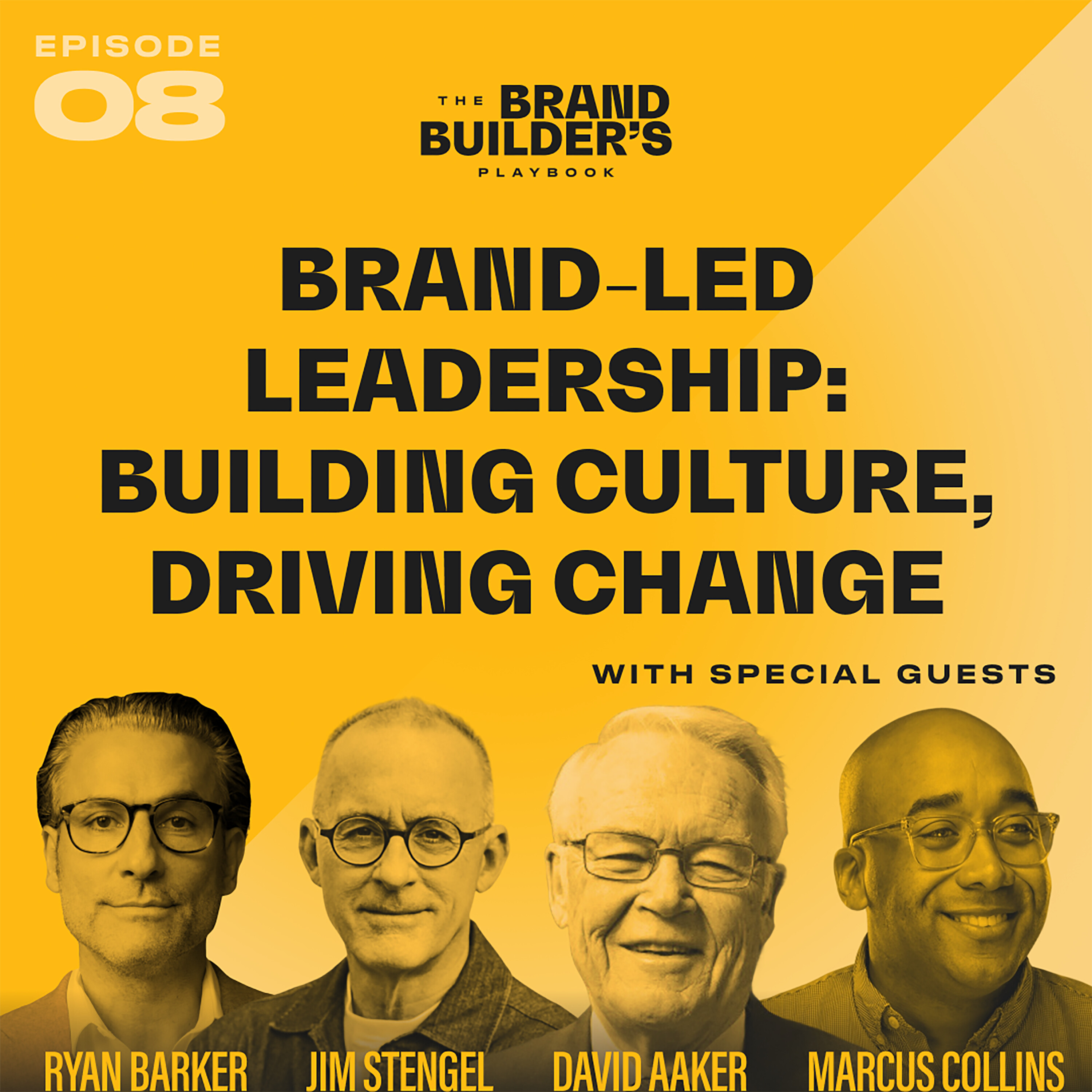
David Aaker identifies a simple, powerful tactic: ask your team what makes the company special—its "secret sauce"—and turn that into a formal brand asset. He argues even abstract concepts, like a unique way of treating people, can be branded (e.g., "the HP way") to create a potent, ownable differentiator.
To build an authentic brand, move beyond product features and engage in an introspective process. By answering these three core questions, a company can establish its foundational ethos. This 'universal truth' then serves as a guiding principle for all external communication and strategic decisions.

LoveSack operated successfully for years based on product instinct alone. However, transformational growth occurred only after the company intentionally defined its core brand philosophy—'Designed for Life'—and then amplified that clear message with advertising. This shows that a well-defined brand story is a powerful, distinct growth lever, separate from initial product-market fit.