Get your free personalized podcast brief
We scan new podcasts and send you the top 5 insights daily.
The founder advises against owning manufacturing. Instead, the most critical investment for creating a defensible brand is in cosmetic chemists and IP ownership. This ensures product uniqueness and integrity without the massive overhead and complexity of vertical integration.

Related Insights
Copycats are inevitable for successful CPG products. The best defense isn't intellectual property, but rapid execution by a team that has 'done it before.' Building a diverse distribution footprint and a strong brand quickly makes it harder for competitors to catch up.

The conventional wisdom for CPG startups was to be "asset-light" and use co-packers. However, owning the supply chain provides crucial control over quality, production schedules, and cash flow, preventing startups from being pushed aside by a co-packer's larger clients. This control is now a key diligence point.

Pure distribution or performance marketing plays in the burgeoning peptide market are not defensible. Long-term winners must control their supply chain for cost and quality, build a seminal brand that transcends marketing, and acquire or develop unique intellectual property.

As product innovation becomes easier to replicate, true defensibility lies in areas harder to copy. This includes owning your 3PL or factory to control costs or securing exclusive, long-term partnerships with an army of creators, as seen with the 'Hudson method'.

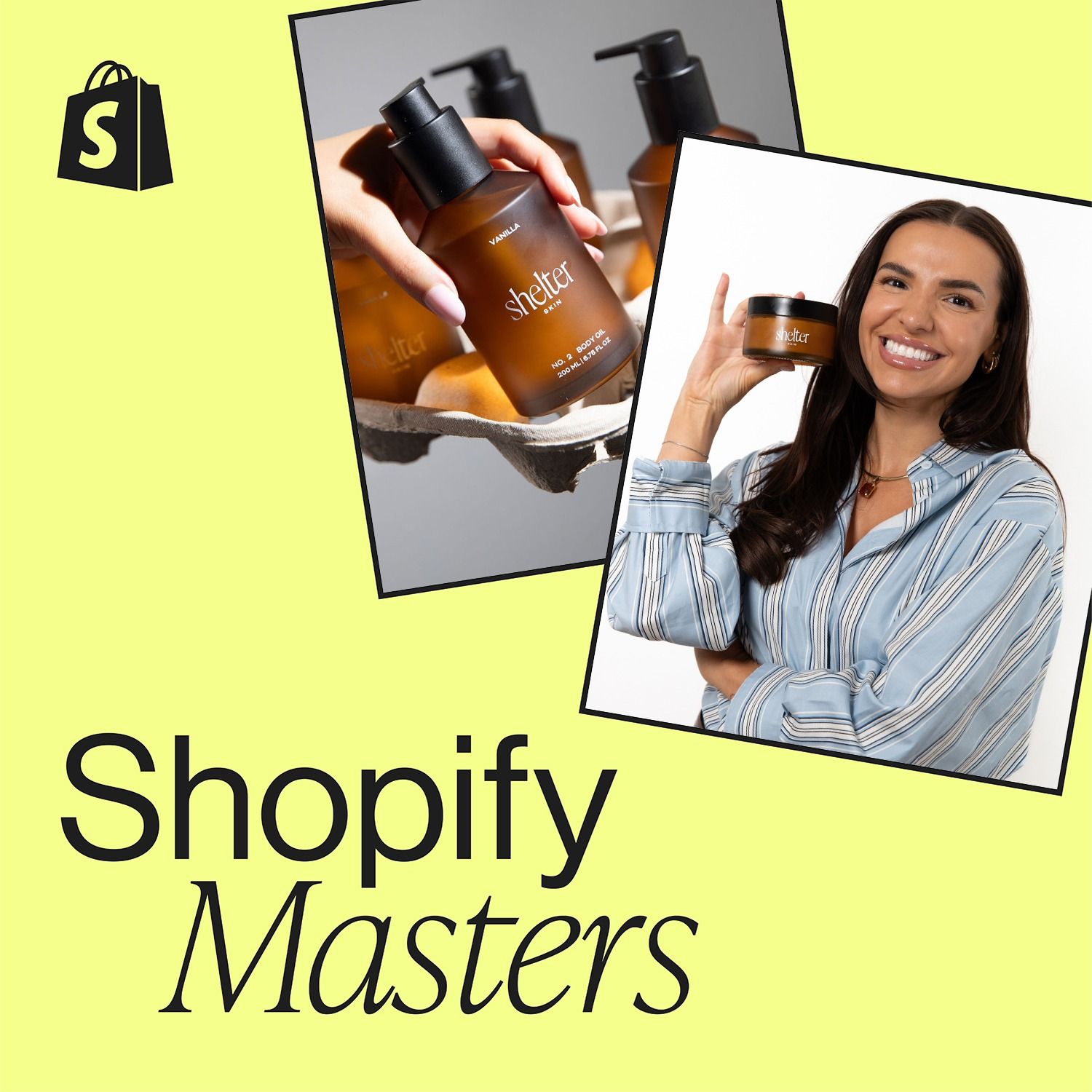
Founder Catherine Lockhart isn't afraid of copycats. She shares her manufacturing process openly, believing the sheer difficulty of execution is a sufficient barrier to entry. This radical transparency builds customer trust and turns potential trade secrets into a powerful marketing asset.
A simple heuristic for the build-vs-partner decision: Does your manufacturing process create unique intellectual property? If so, own it. If it merely consumes capital, partner with a CDMO. This preserves precious resources for R&D, clinical evidence, and commercialization.

Persisting with a difficult, authentic, and more expensive production process, like using fresh ingredients instead of flavorings, is not a liability. It is the very thing that builds a long-term competitive advantage and a defensible brand story that copycats cannot easily replicate.
Unlike competitors focused on "shaving pennies," Peter Thomas Roth's vertical integration (owning R&D and manufacturing) provides a key advantage. This allows them to incorporate more expensive, effective ingredients without conglomerate pressure, maintaining a commitment to product perfection and giving them a significant leg up in a competitive market.

Instead of using a co-packer, MadeGood built its own factory. This costly move was essential for guaranteeing their 'allergen-free' promise, allowing them to control the entire supply chain and manufacturing process, which provided peace of mind and brand integrity.
After a partner changed a product's formula and wiped out his sales, Daniel Lubetzky learned a vital lesson. For KIND, he insisted on owning the recipes and controlling the manufacturing process to ensure brand consistency and prevent external decisions from destroying his business.