Get your free personalized podcast brief
We scan new podcasts and send you the top 5 insights daily.
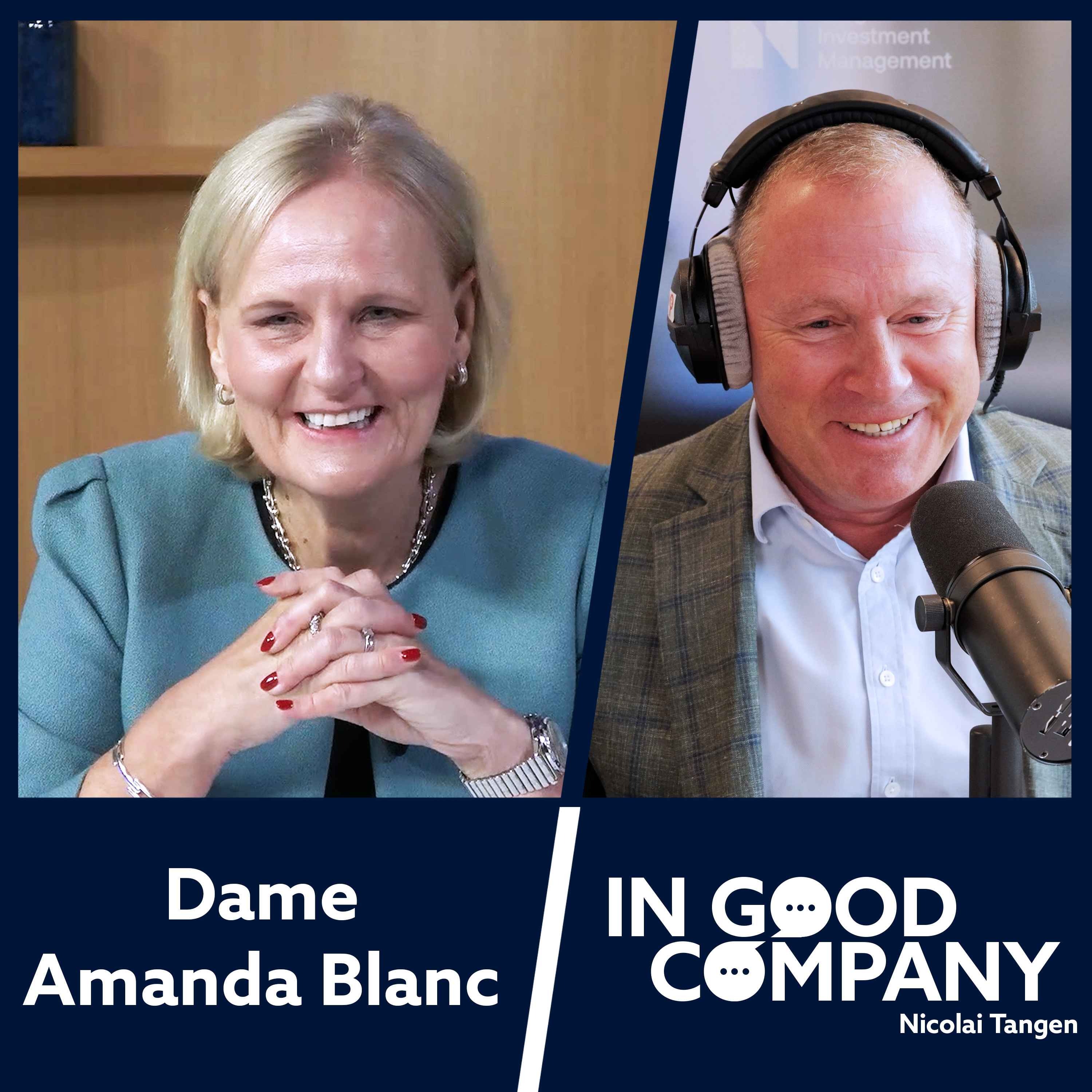
Seasoned leaders risk letting past failures dictate future decisions. Aramore's CEO notes her extensive experience can sometimes be a liability, creating a fear-based aversion to ideas that previously failed, even though market dynamics are cyclical and those ideas might now be viable.

Related Insights
Success brings knowledge, but it also creates a bias against trying unconventional ideas. Early-stage entrepreneurs are "too dumb to know it was dumb," allowing them to take random shots with high upside. Experienced founders often filter these out, potentially missing breakthroughs, fun, and valuable memories.

A key trap for experienced founders is assuming success in one domain translates to expertise in another. This temptation toward arrogance is amplified because their teams are less likely to question their judgment, leading to flawed decisions in unfamiliar areas.

True innovation requires leaders to adopt a venture capital mindset, accepting that roughly nine out of ten initiatives will fail. This high tolerance for failure, mirroring professional investment odds, is a prerequisite for the psychological safety needed for breakthrough results.

In a stable market, experience is an asset. But in a disruptive industry like today's biotech, experienced leaders may rely on outdated playbooks. First-time executives can be more valuable because they approach problems from first principles, unburdened by past successes that are no longer relevant.

Aviva's CEO notes her leadership has evolved to be more decisive with personnel. Experience allows her to recognize familiar, negative patterns early on ('seen this movie run... it doesn't end well'). Rather than delaying a difficult decision in hopes of improvement, she trusts her judgment and acts quickly.
All founders make high-impact mistakes. The critical failure point is when those mistakes erode their confidence, leading to hesitation. This indecisiveness creates a power vacuum, causing senior employees to get nervous and jockey for position, which spirals the organization into a dysfunctional, political state.

True reinvention is blocked less by fear of failure and more by an unwillingness to let go of established processes, especially those one personally created. The key is fostering the humility to challenge past successes, not just tolerate potential risks.

Leaders who were correct once in a specific area, like mobile UX in 2015, tend to believe their expertise is universally applicable. This cognitive trap leads them to make poor, unsubstantiated decisions in new domains like AI strategy.

While experience builds valuable pattern recognition, relying on old mental models in a rapidly changing environment can be a significant flaw. Wise leaders must balance their experience with the humility and curiosity to listen to younger team members who may have a more current and accurate understanding of the world.
As businesses scale, founder-led teams with a high tolerance for failure are often replaced by 'professional' leaders from corporate backgrounds. This new leadership can inadvertently slow growth by demanding perfection and fostering a fear of failure, leading to risk aversion, analysis paralysis, and a loss of agility.
