Get your free personalized podcast brief
We scan new podcasts and send you the top 5 insights daily.
True reinvention is blocked less by fear of failure and more by an unwillingness to let go of established processes, especially those one personally created. The key is fostering the humility to challenge past successes, not just tolerate potential risks.

Related Insights
Innovation requires moving beyond a 'failure culture' to an 'anti-fragility' mindset. This means proactively pushing boundaries with the expectation that a percentage of work will fail, then using that failure to fundamentally adjust your thinking and become stronger.

Many people stay in their comfort zones not just because they fear failure, but because they are addicted to what is familiar. Unlocking potential requires choosing courage over the comfort of the known.

True innovation requires leaders to adopt a venture capital mindset, accepting that roughly nine out of ten initiatives will fail. This high tolerance for failure, mirroring professional investment odds, is a prerequisite for the psychological safety needed for breakthrough results.
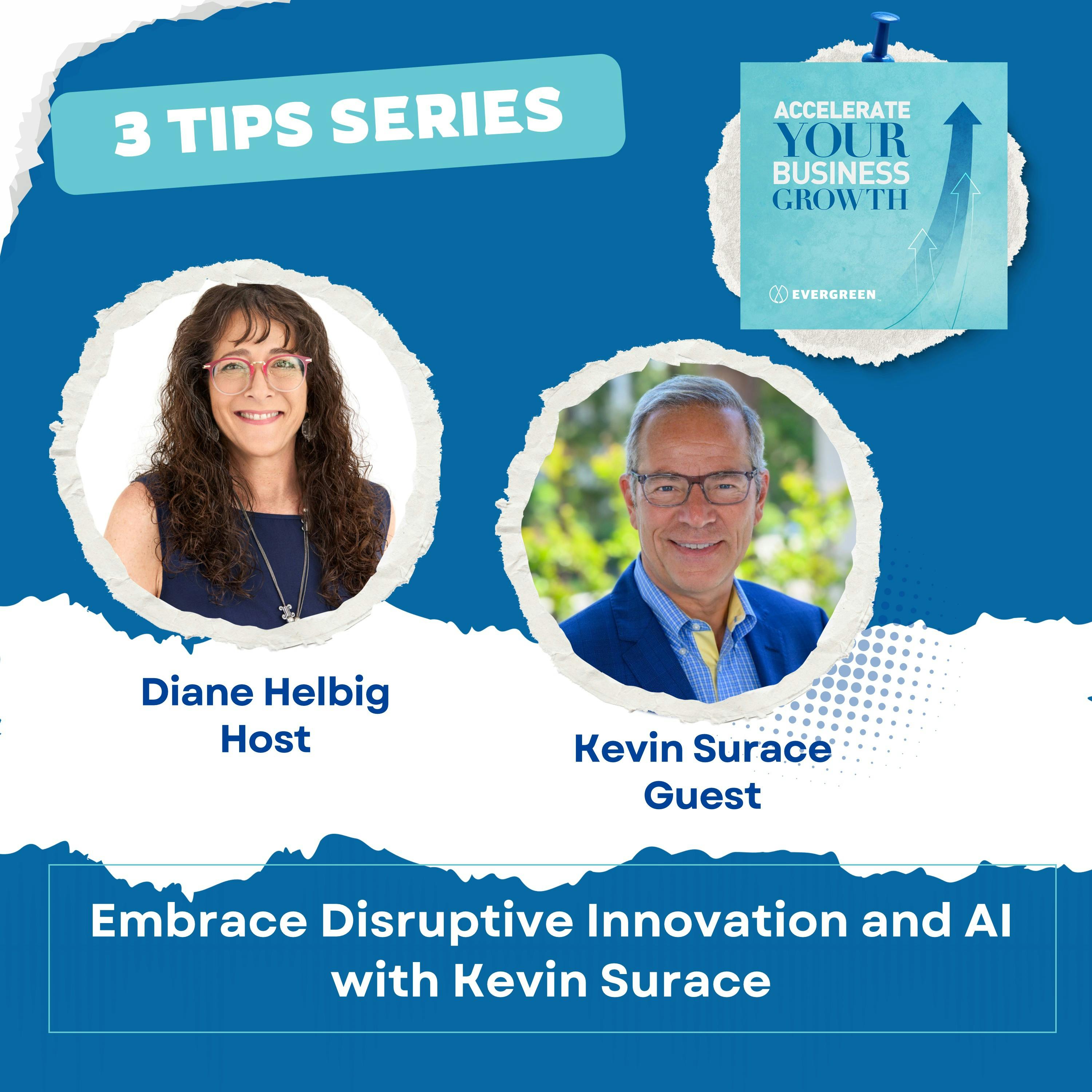
A retired VC advised serial entrepreneur Elias Torres to "forget everything you've ever learned." Pattern recognition and past experience can become a trap for successful founders, especially during a technological shift like AI. The challenge is to let go of old playbooks and charge into the future with a fresh perspective.

The pace of change in AI means even senior leaders must adopt a learner's mindset. Humility is teachability, and teachability is survivability. Successful leaders are willing to learn from junior colleagues, take basic courses, and admit they don't know everything, which is crucial when there is no established blueprint.

Citing a George Bernard Shaw quote, Atlassian's CEO explains that progress is driven by "unreasonable" individuals who challenge existing systems rather than accepting them. This mindset is essential for innovation, even if it sometimes leads to trouble.
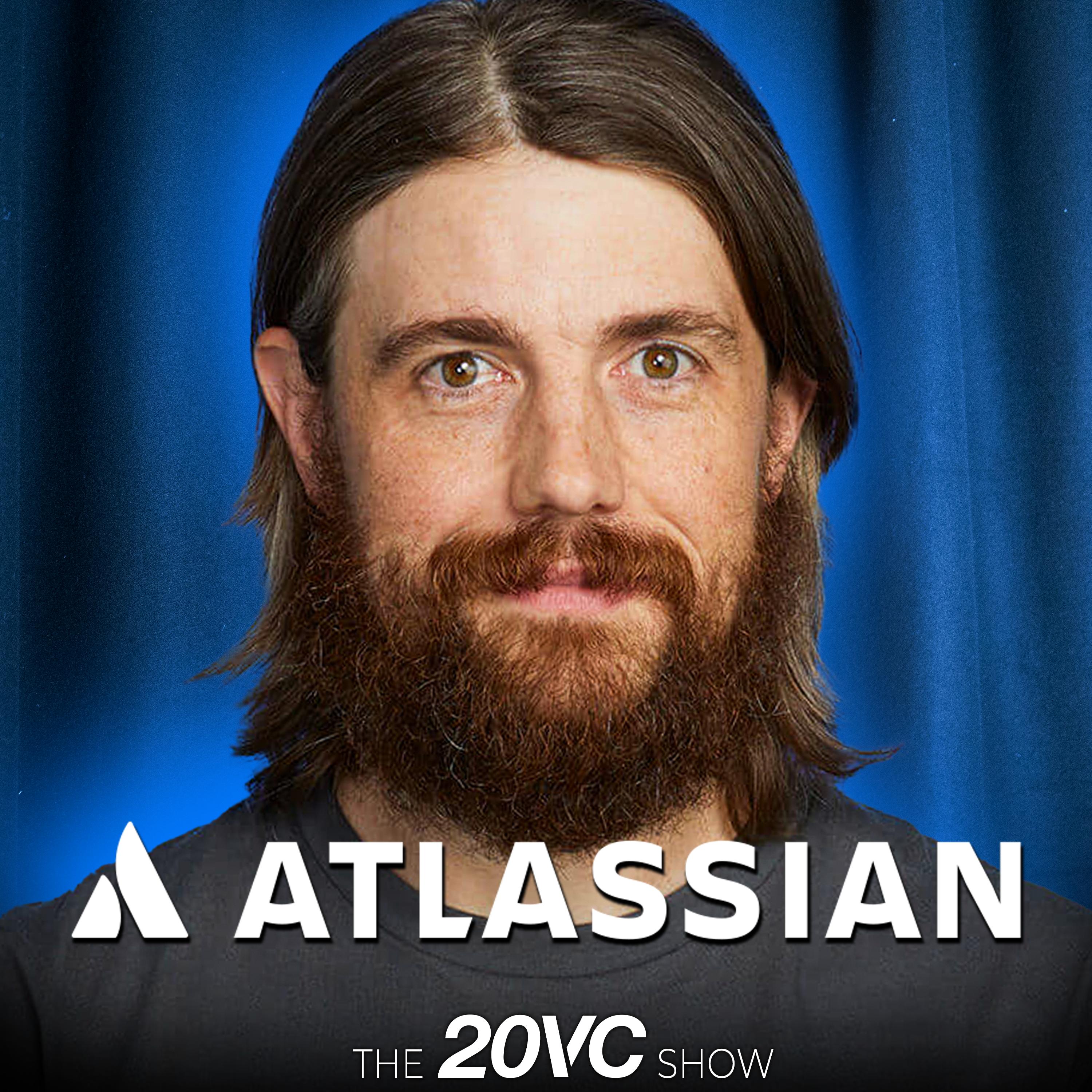
To create a future-ready organization, leaders must start with humility and publicly state, "I don't know." This dismantles the "Hippo" (Highest Paid Person's Opinion) culture, where everyone waits for the boss's judgment. It empowers everyone to contribute ideas by signaling that past success doesn't guarantee future survival.

What made you a great PM will not make you a great director. The journey into leadership is a process of being humbled, recognizing your worldview is incomplete, and adapting your thinking. If you are not humble enough to change your mind, you will struggle to grow in your career.

To lead in the age of AI, it's not enough to use new tools; you must intentionally disrupt your own effective habits. Force yourself to build, write, and communicate in new ways to truly understand the paradigm shift, even when your old methods still work well.

Incremental change is insufficient for the AI transition. To find the true extent of what needs to change, leaders must be willing to go 'too far.' This means dismantling established teams, processes, and roadmaps entirely, rather than iterating, to rebuild them from scratch for the new reality.