Get your free personalized podcast brief
We scan new podcasts and send you the top 5 insights daily.
A song can top the charts for a record number of weeks, like Ella Langley's "Choosing Texas," yet remain unheard by a large portion of the population. This phenomenon reveals how algorithmic recommendations have replaced a shared monoculture, creating massive hits within specific audience silos.

Related Insights
Unlike older algorithms that recommend content based on long-term follow history, TikTok's model prioritizes recent engagement. This 'TikTokification' across platforms means algorithms can now find an audience for off-niche content if it aligns with a viewer's immediate, short-term interests.

Past generations had shared cultural experiences like major TV events. Today's youth are raised by personalized algorithms, creating a hyper-fragmented landscape of niche IP. This prevents the formation of broad cultural touchstones, undermining the dominance of monolithic brands like Disney.

The fear of AI in music isn't that it will replace human artists, but that it will drown them out. The real danger is AI-generated music flooding streaming playlists, making genuine discovery impossible. The ultimate risk is platforms like Spotify creating their own AI music and feeding it directly into their algorithms, effectively cutting human artists out of the ecosystem entirely.

Viral marketing firms now focus on manipulating recommendation algorithms rather than appealing to human taste. They spam platforms with content to trick the algorithm into believing a song or product is already popular, making the algorithm the primary customer, not the end user.

Contrary to expectations, the flood of AI-generated content doesn't dilute the success of top artists. In a sea of infinite choice, users rely more on algorithms, which tend to amplify the reach of already popular stars, making the biggest names more dominant than ever.
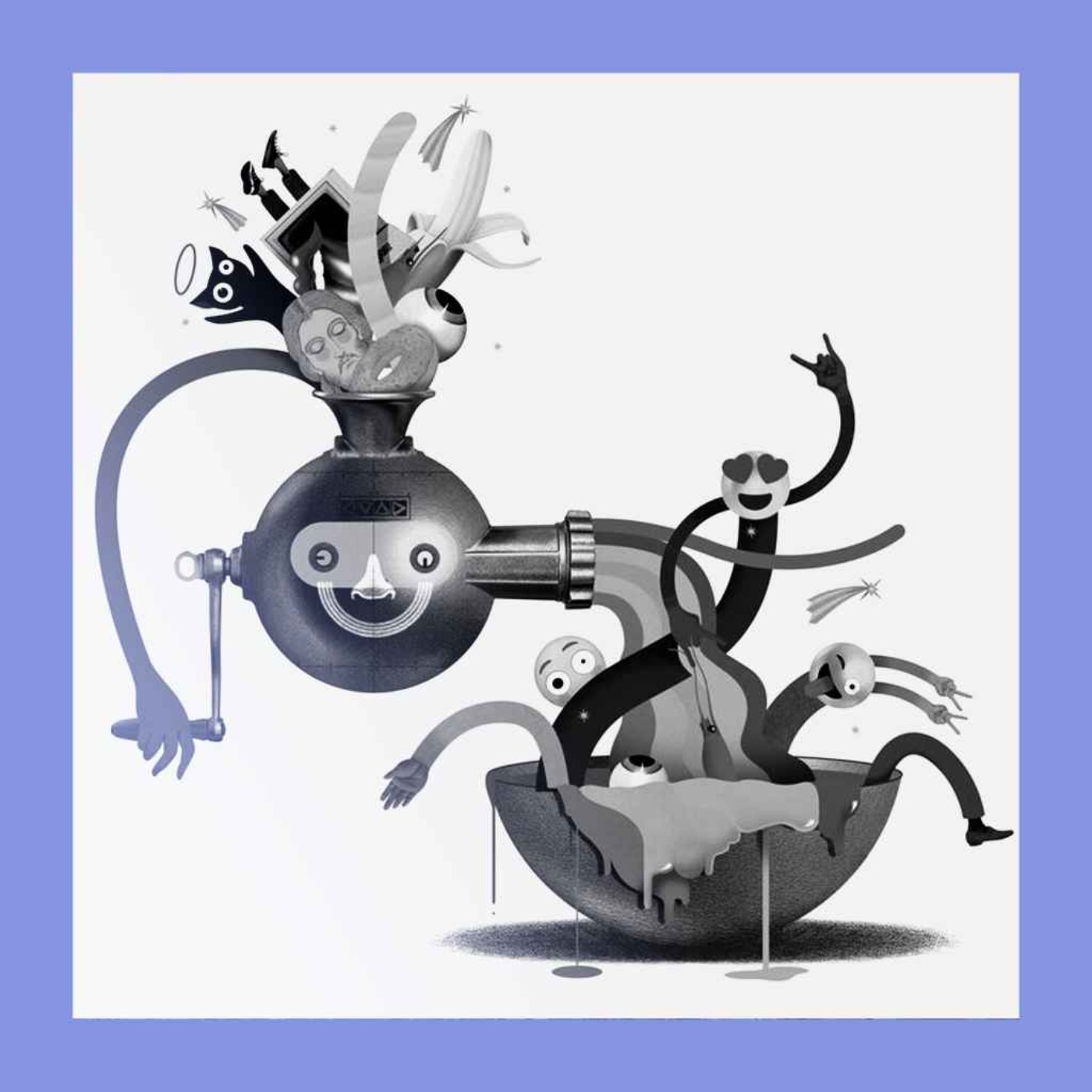
While seemingly beneficial, algorithms that perfectly cater to existing preferences (e.g., in music or news) can trap users in narrow cultural silos. This "calcification" of taste prevents personal development and creates a balkanized cultural landscape, hindering shared experience and discovery.
Previously, constrained distribution channels (few TV stations, record labels) created monolithic cultural figures. Today's AI-driven personalized feeds create fragmented "echo chambers," making it potentially impossible for any single creator to achieve that level of universal fame again.

Algorithms funnel users in the same demographic towards identical content, influencers, and products. This 'conveyor belt' of recommendations leads to a cultural homogenization where young people begin to look, speak, and think alike.

Predictive algorithms recommend content based on past successes. However, truly transformative art, like the TV show *Seinfeld*, often performs poorly with initial audiences. It succeeds by changing cultural sensibilities over time. A world driven by prediction risks filtering out these innovations that reshape our tastes, rather than just catering to them.

Despite the dominance of platforms like Spotify, there's a growing fatigue with algorithmic recommendations. Consumers feel this approach can be impersonal and lead to a "lowest common denominator" experience, creating a market opportunity for brands that offer authentic, human-led taste-making and curation.
