Get your free personalized podcast brief
We scan new podcasts and send you the top 5 insights daily.
During menopause, the decline of estrogen also means losing its 'girl gang' of neurochemicals (dopamine, serotonin, etc.). This dissolves a lifelong 'neurochemical armor' that fueled motivation and joy, forcing you to redefine your identity and priorities without those chemical drivers.

Related Insights
Menopause isn't just a hormonal decline; it's a neurological renovation. The brain actively prunes pathways that supported relational, people-pleasing behaviors and builds new ones for a more independent mindset geared toward leadership. Difficult symptoms are the messy 'remodel' phase.
The emotional flatness and lack of motivation common in menopause stems from a drop in dopamine. Instead of forcing yourself through old routines, you can strategically counteract this by introducing novelty. Learning a new sport or changing daily habits helps naturally boost dopamine and reignite drive.
Instead of medicating or ignoring symptoms like fatigue or mood swings, view them as your body's way of signaling an underlying issue. By treating symptoms as messages, you can focus on the root cause (like glucose spikes), which makes the 'messages' disappear.
A key sign of a deep midlife identity shift is feeling 'allergic' to passions, routines, and roles you once loved. This isn't a failure but an indicator that you've completed a chapter—'mission accomplished'—and are like a plant that has outgrown its container, ready for something new.
The feeling of breaking down in midlife isn't caused by a single trigger. It is a cumulative effect of layered stressors—family, career, aging parents, health—that coincide with a period of low biological resilience and high emotional reactivity, creating a 'tiramisu of stress.'
Life transitions like menopause involve a difficult liminal space—the 'goo phase'—where the old identity has dissolved before the new one emerges. Society focuses on the end result (the butterfly) but fails to talk about or support individuals during the disorienting, messy process of becoming 'goo.'
Constantly bombarding our reward pathways causes the brain to permanently weigh down the 'pain' side of its pleasure-pain balance. This alters our baseline mood, or 'hedonic set point,' meaning we eventually need our substance or behavior not to get high, but simply to escape a state of withdrawal and feel normal.
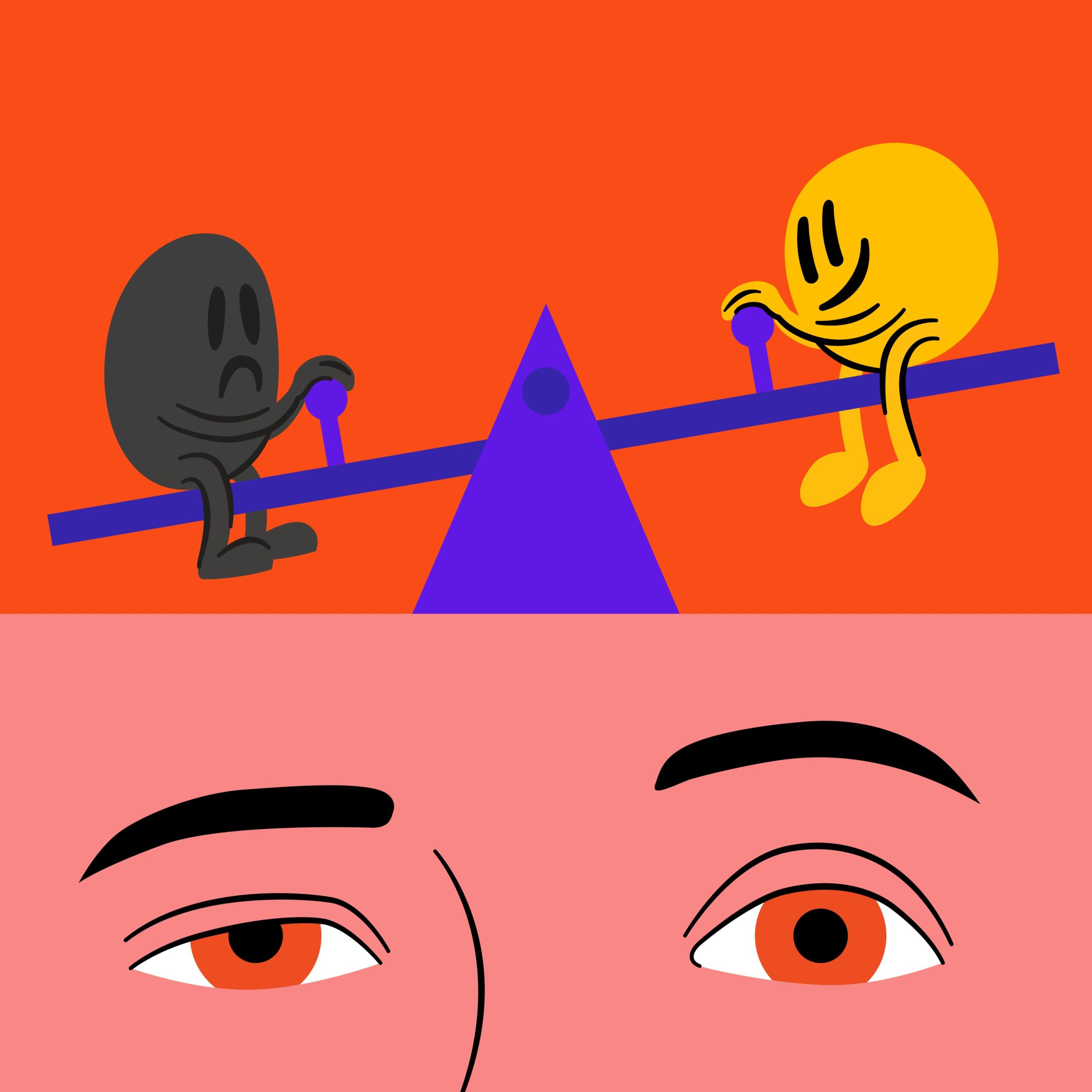
When a defining career ends, the biggest struggle is often existential, not financial. Our culture fuses identity with profession ('what you do is who you are'), creating a vacuum when the job is gone. This leads to profound questions of self-worth, value, and purpose that transcend money.
The Grandmother Hypothesis suggests menopause is an evolutionary advantage. Post-menopausal women were critical to tribal survival by providing food and protection. This required a brain rewired for leadership, intuition, and heightened sensitivity to threats, providing a powerful purpose for this life stage.
Transformation isn't romantic; it often involves a painful disengagement from your old identity. Astrology's concept of a "12th house year" provides a framework for these recurring cycles, normalizing the feeling of losing passion for things you once loved.
