Get your free personalized podcast brief
We scan new podcasts and send you the top 5 insights daily.
SpaceX is offering discounted Starlink internet to Memphis residents to mitigate backlash against its Colossus data center's pollution and resource use. This tactic highlights an emerging, non-technical hurdle for the AI build-out: data center operators must now budget for and strategize around "buying off" local communities to secure their social license to operate.

Related Insights
Local opposition to data center construction, often driven by a small number of activists, is directly costing the AI industry tens of billions in potential revenue by canceling gigawatts of necessary power capacity. This local friction represents a major bottleneck to AI's growth.

To overcome local opposition, tech giants should use their massive balance sheets to provide tangible economic benefits to host communities. Subsidizing local electricity bills or funding renewable energy projects can turn residents into supporters, clearing the path for essential AI infrastructure development.

The rapid expansion of AI is facing local resistance. Concerns over zoning, electricity consumption, and water usage are leading to pushback on new data center projects. This creates a physical bottleneck that could slow the pace of AI investment, a risk perhaps underestimated by bullish investors.

AI data centers face significant local, bipartisan opposition due to their immense energy consumption, which can raise consumer electricity bills. Anthropic is proactively addressing this by committing to cover price increases and grid upgrade costs. This is a strategic move to secure community buy-in and prevent 'NIMBY' pushback, a critical hurdle for AI infrastructure scaling.
To counter local opposition to data centers, Brad Gerstner proposes a "community dividend." This initiative, involving tech leaders and the White House, would provide tangible financial benefits to host communities, creating a socio-political bridge until AI's broader advantages are obvious.

Google, Microsoft, and Amazon have all recently canceled data center projects due to local resistance over rising electricity prices, water usage, and noise. This grassroots NIMBYism is an emerging, significant, and unforeseen obstacle to building the critical infrastructure required for AI's advancement.
To combat growing local resistance to data centers, AI companies like Anthropic and Microsoft are proactively offering to cover electricity price hikes and pay for grid upgrades. This strategic move aims to neutralize a key argument from bipartisan opposition groups, who fear that massive data centers will burden local communities with higher energy costs.

A major second-order risk of the AI boom is local community backlash. Towns hosting data centers may revolt against tripled power prices and environmental concerns, especially when the facilities provide few long-term local jobs while creating billions in wealth for coastal elites.

With 20% of new US data centers at risk of community backlash, a novel solution is to build profit-sharing into the pricing model. By adding a small premium (e.g., $0.50/hr) to compute costs and giving it directly to the local community, operators can turn residents into partners, ensuring project viability.
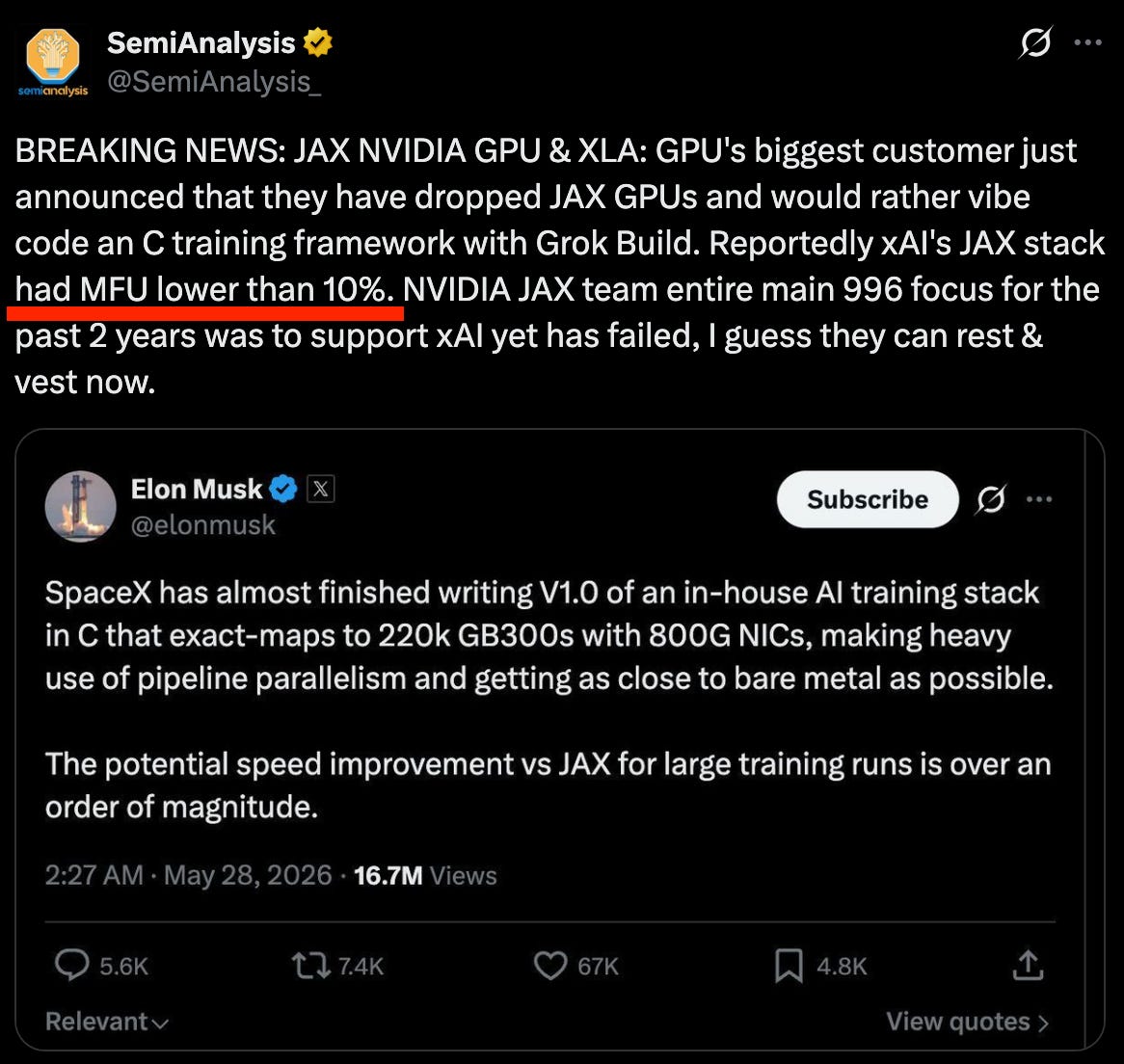
National AI strategies are vulnerable to local politics. Community backlash over data centers' strain on power grids, water, and local costs is creating a "legitimacy constraint," making the ability to build politically durable infrastructure as crucial as acquiring chips.
