Get your free personalized podcast brief
We scan new podcasts and send you the top 5 insights daily.
The painting depicts a Catholic prayer, making it a powerful symbol in post-Revolutionary France, where the role of the church was a major political issue. It wasn't a neutral religious scene but a statement within a national debate on identity, faith, and secularism.

Related Insights
Many beloved monuments were controversial upon creation. The Eiffel Tower was criticized as ugly but was primarily a demonstration of French steel-making prowess. This suggests that today's ambitious, technologically advanced projects may face similar initial public resistance before becoming iconic.

A useful interpretation of Nietzsche's famous quote is not about religion itself, but the death of a society's unified value system. Without a common set of foundational beliefs, factions can no longer find common ground, leading to the "horrific consequences" of intractable conflict.

The artwork captures a pivotal cultural shift. The sober, scholarly minister represents the rationalism of the Scottish Enlightenment, while the misty, atmospheric landscape behind him expresses the emotionalism of emerging Romanticism. The painting places these two conflicting worldviews in a single frame.
The painting's immense popularity elevated it to a national symbol, representing a specific, traditionalist, and rural vision of France known as "La France Profonde." Much like Scotland's "skating minister," it became an image through which the French saw themselves, shaping national self-perception.
In an era defined by religious warfare, John Law's conversion from Protestantism to Catholicism was a pragmatic business decision, not a spiritual one. This illustrates a remarkably secular and free-thinking mindset, treating religion as a political necessity rather than a deeply held conviction.

Art is a mechanism for changing perception. It often makes audiences uncomfortable at first by introducing a novel idea or form. Over time, great art guides people from that initial discomfort to a new state of understanding, fundamentally altering how they see the world.

The popular perception of Galileo challenging religious dogma has a greater cultural impact than the specific, nuanced arguments in his actual writings. A book's power can derive from what people believe it represents, even if they've never read it or misunderstand its contents.
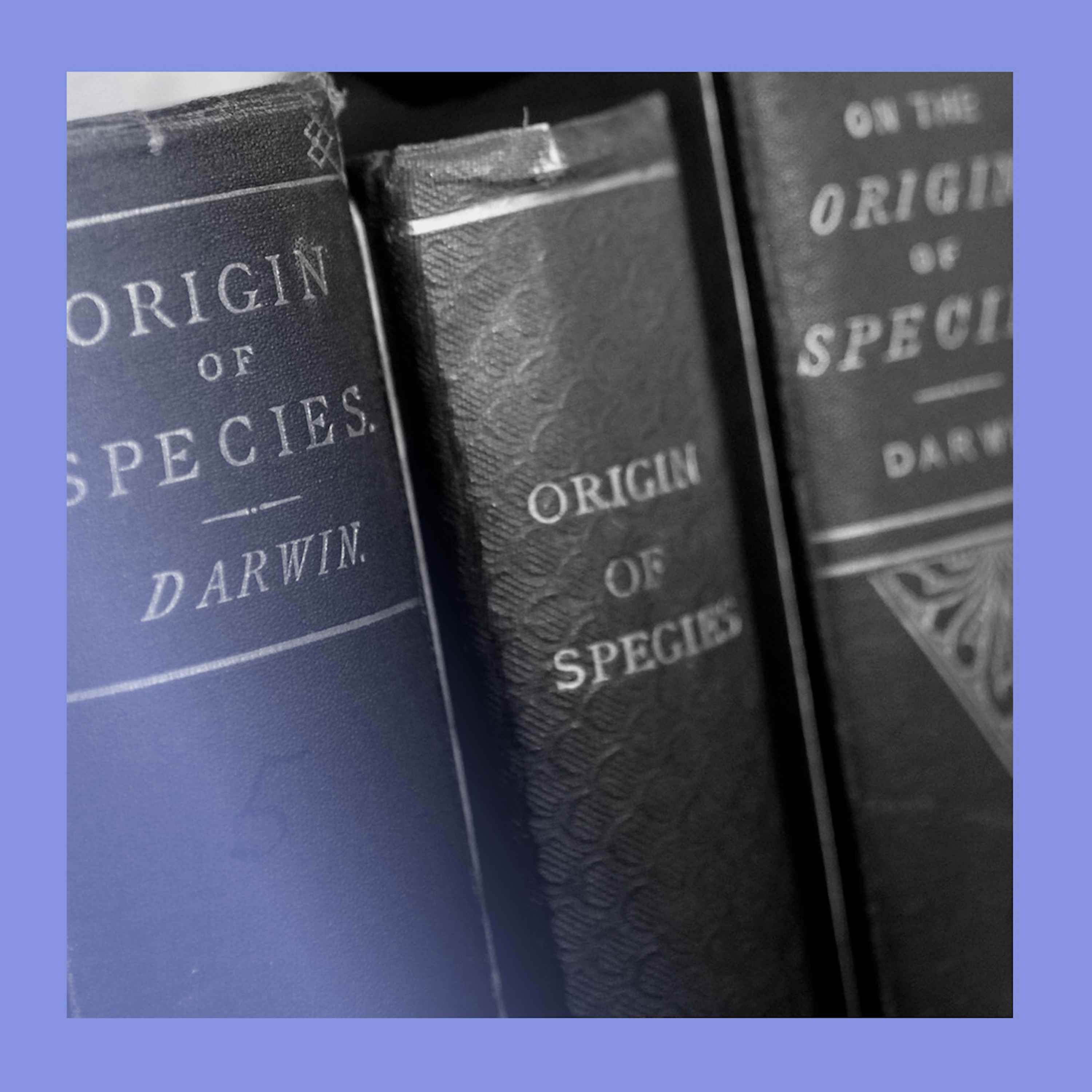
Contrary to the popular narrative of an English show trial, 123 out of 131 legal and theological experts involved were French. These individuals were loyal to the English-backed Burgundian faction, highlighting the deep internal divisions within France during the war.

Despite its fame being fueled by the political controversy between secularism and Catholicism, the direct experience of viewing Millet's "The Angelus" is one of quiet contemplation. This highlights the disconnect between an artwork's historical baggage and its immediate aesthetic impact.
The painting's composition, with the distant spire and the figures' prayerful posture, is designed to make the viewer "hear" the faint church bells. This auditory illusion is key to the artwork's immersive quality, creating a sense of deep stillness that stops the viewer in their tracks.