Get your free personalized podcast brief
We scan new podcasts and send you the top 5 insights daily.
The rapid displacement of jobs by AI will cause suffering beyond finances. It will trigger a profound crisis of meaning and identity for millions whose sense of self is tied to their profession, creating emotional distress and potential societal unrest.

Related Insights
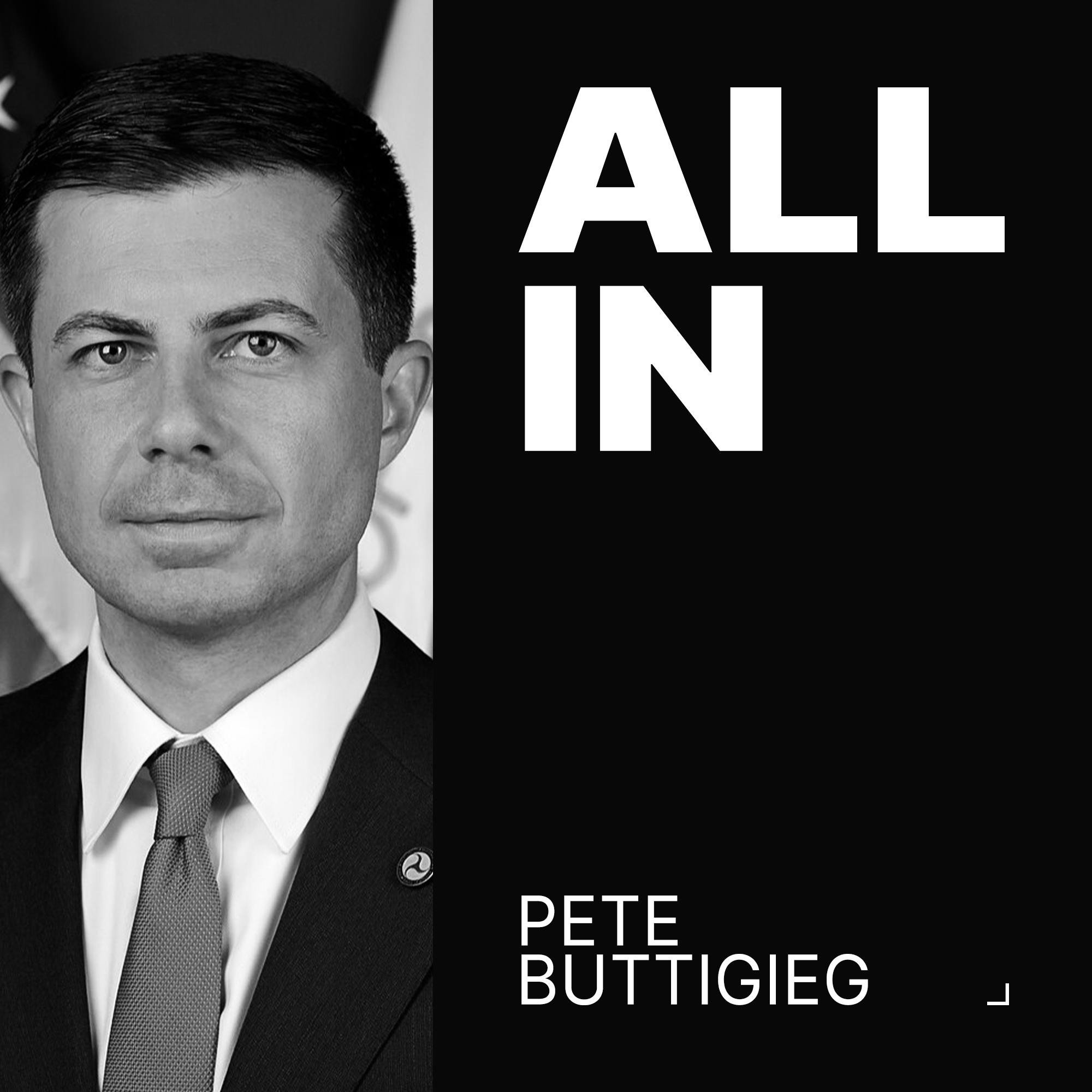
Drawing parallels to the Rust Belt's decline, Buttigieg warns AI's impact on white-collar work will be more profound than just economic loss. It will cause a deeper "displacement of identity," as professions in law, medicine, and software are central to how people see themselves and their place in society.
Beyond displacing current workers, AI will lead to hiring "abatement," where companies proactively eliminate roles from their hiring plans altogether. This is a subtle but profound workforce shift, as entire job categories may vanish from the market before employees can be retrained.

While AI promises an "age of abundance," Professor Russell has asked hundreds of experts—from AI researchers to economists and sci-fi writers—to describe what a fulfilling human life looks like with no work. No one can. This failure of imagination suggests the real challenge isn't economic but a profound crisis of purpose, meaning, and human identity.

Beyond economic disruption, AI's most immediate danger is social. By providing synthetic relationships and on-demand companionship, AI companies have an economic incentive to evolve an “asocial species of young male.” This could lead to a generation sequestered from society, unwilling to engage in the effort of real-world relationships.

As the traditional employer-employee social contract breaks and AI automates cognitive tasks, individuals can no longer rely on physical or mental effort for their value. This shift compels a deeper search for purpose and what makes us uniquely human: our soul and self-awareness.
AI's impact on labor will likely follow a deceptive curve: an initial boost in productivity as it augments human workers, followed by a crash as it masters their domains and replaces them entirely. This creates a false sense of security, delaying necessary policy responses.
While AI may eventually create a world of abundance where energy and labor are free, the transition will be violent. The unprecedented scale of job displacement, coupled with a societal loss of meaning, will likely lead to significant bloodshed and social upheaval before any utopian endpoint is reached.

While Universal Basic Income (UBI) might solve the economic fallout from AI-induced job loss, Ariel Poler is more concerned with the resulting existential crisis. For most people, jobs provide identity, structure, and meaning. The challenge isn't just funding people's lives, but finding productive ways for them to spend their free time.

The most dangerous long-term impact of AI is not economic unemployment, but the stripping away of human meaning and purpose. As AI masters every valuable skill, it will disrupt the core human algorithm of contributing to the group, leading to a collective psychological crisis and societal decay.

Unlike gradual agricultural or industrial shifts, AI is displacing blue and white-collar jobs globally and simultaneously. This rapid, compressed timeframe leaves little room for adaptation, making societal unrest and violence highly probable without proactive planning.